
Short answer: A Cape Coral public adjuster represents you, not your insurer, on Lee County property claims, and under Fla. Stat. 626.854 the fee is capped and contingent. Cape Coral's 400-plus miles of canals funnel surge inland, so the payout usually turns on separating covered wind and wind-driven rain from excluded surge. Ocean Point Claims (FL DFS #W829547) documents that causation and holds carriers to the deadlines in Fla. Stat. 627.70131.
How Cape Coral's Storm History Shapes Your Claim
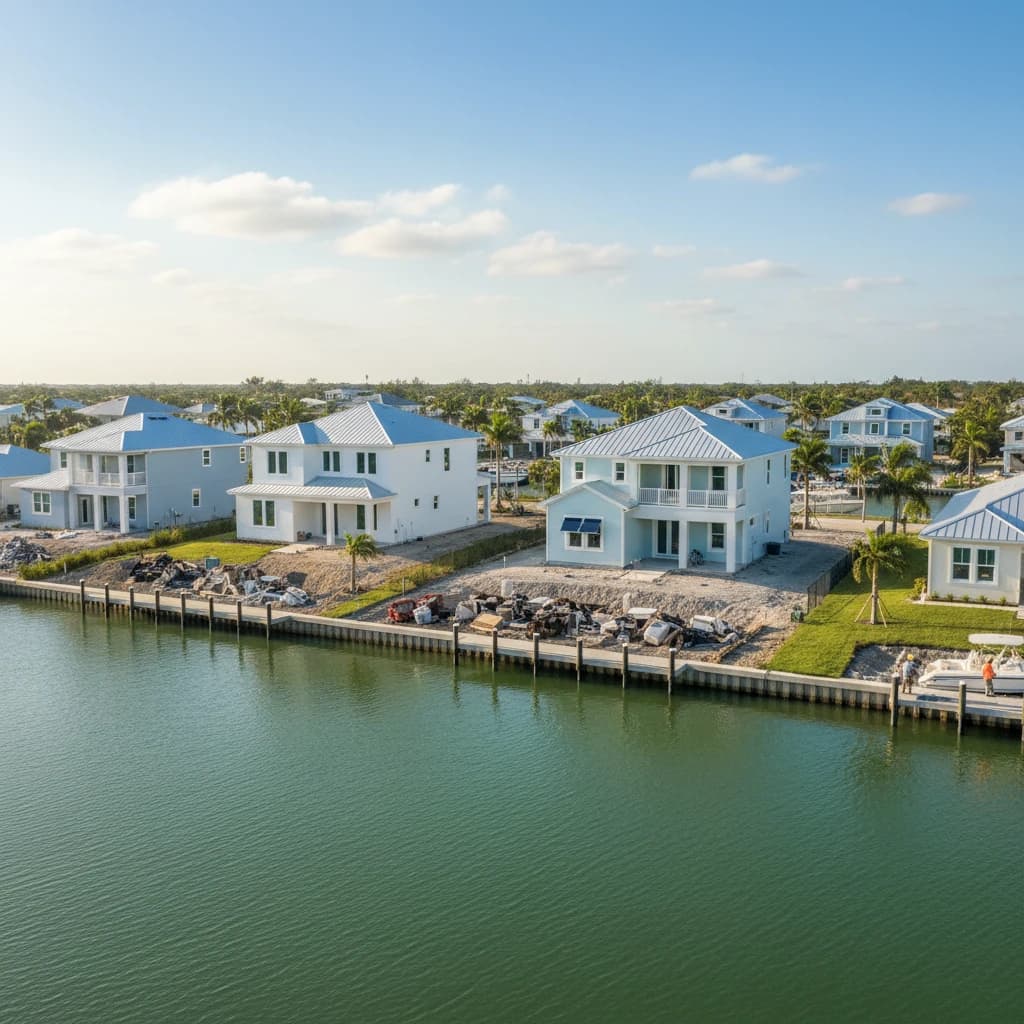
Cape Coral does not front the open Gulf, but its 400-plus miles of saltwater and freshwater canals, more navigable waterway than any city on earth, turn the place into a funnel for surge. When Hurricane Ian came ashore near Cayo Costa in Lee County on September 28, 2022 as a Category 4, the water pushed up the Caloosahatchee River and through Matlacha Pass and ran inland along those canals, leaving several feet of surge standing in the lowest neighborhoods for the better part of a week. The southeast Cape, home to the original 1958 Yacht Club homes and the city's oldest blocks, absorbed the worst of it: those streets predate Cape Coral's entry into the federal flood program, sit at lower grade, and were never built to today's base flood elevation.
Ian was not the first lesson. Hurricane Irma flooded Burnt Store Road and blacked out the city in September 2017, and Hurricane Charley made a Category 4 Lee County landfall near Charlotte Harbor in August 2004. A Cape Coral claim is rarely about one storm in isolation. It is about how this specific, canal-cut ground takes water, and how a policy responds when surge, wind, and rain arrive together.
Canal-Front Construction and the Damage That Follows
Most of the Cape is platted into the NW, NE, SW, and SE quadrants the developers laid out in the late 1950s, and the housing reflects every boom since: original concrete-block ranches around the Yacht Club, Pelican, and the historic Riverside and Flamingo blocks; 1980s and 2000s Gulf-access homes; and the large estate rebuilds now going up on the saltwater canals where older houses were torn down. That mix matters at claim time. A canal lot carries exposures an inland Florida home never sees, the seawalls undermined or collapsed by surge and debris, the docks and boat lifts torn loose, and the aluminum-framed pool cages and screen enclosures that Ian flattened across the city by the thousands.
Saltwater canal homes near the Caloosahatchee and Matlacha Pass face surge and wind in the same event; the freshwater canals across the north and west flood on a different mechanism. A carrier that treats those the same, or that calls everything "flood" to push it onto a separate policy, gets the loss wrong. Reading that distinction correctly is half the battle on a Cape Coral file.
Claim Types We Handle Here
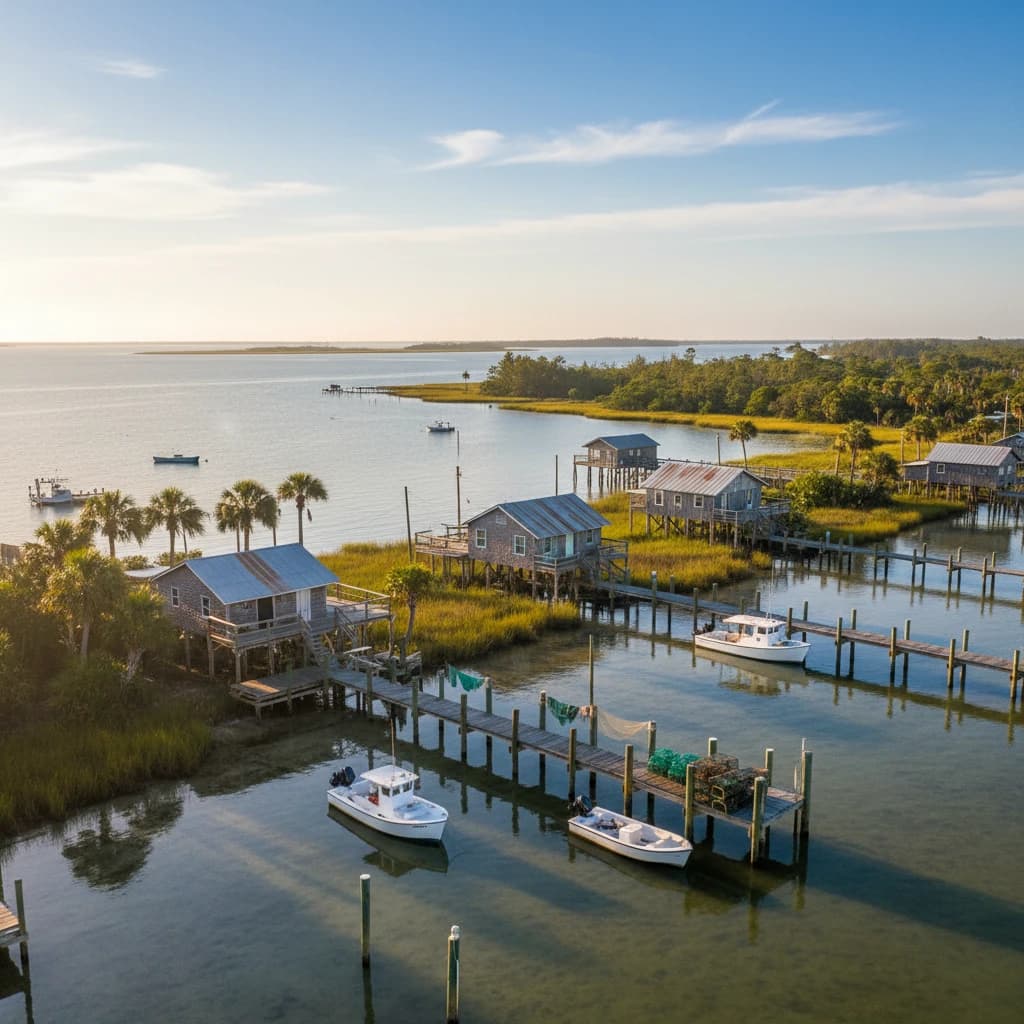
Ocean Point Claims represents Cape Coral policyholders across the full range of claim types: hurricane and wind damage, roof damage on tile and metal canal-home roofs, water damage from wind-driven rain and failed openings, and the mold that follows days of standing water inside block walls. We also handle fire, supplemental and reopened claims on Ian losses where the true scope surfaced months later, HOA and condo association damage, commercial and business-interruption losses, and denied, lowballed, or underpaid files. See our full public adjusting services for how we work each one.
Why Cape Coral Claims Get Underpaid
After a regional storm, carriers process Cape Coral in batches, and out-of-state desk adjusters who have never seen a spreader canal tend to make the same moves: shift surge damage onto flood, write off seawall and screen-enclosure failure as excluded "outdoor property," and replace only the damaged roof slope or screen panels while ignoring Florida's matching requirement under 626.9744. On a tile roof or a wrapped pool cage, partial repair that does not reasonably match is not a full indemnity payment. The Cape's long supplemental tail makes it worse, because the contractor backlog after Ian meant hidden rot, soaked insulation, and seawall movement often showed up well after the first lowball check cleared. Under 627.70131, your insurer also owes timely action on the claim, not an open-ended stall.
How Ocean Point Handles Your File
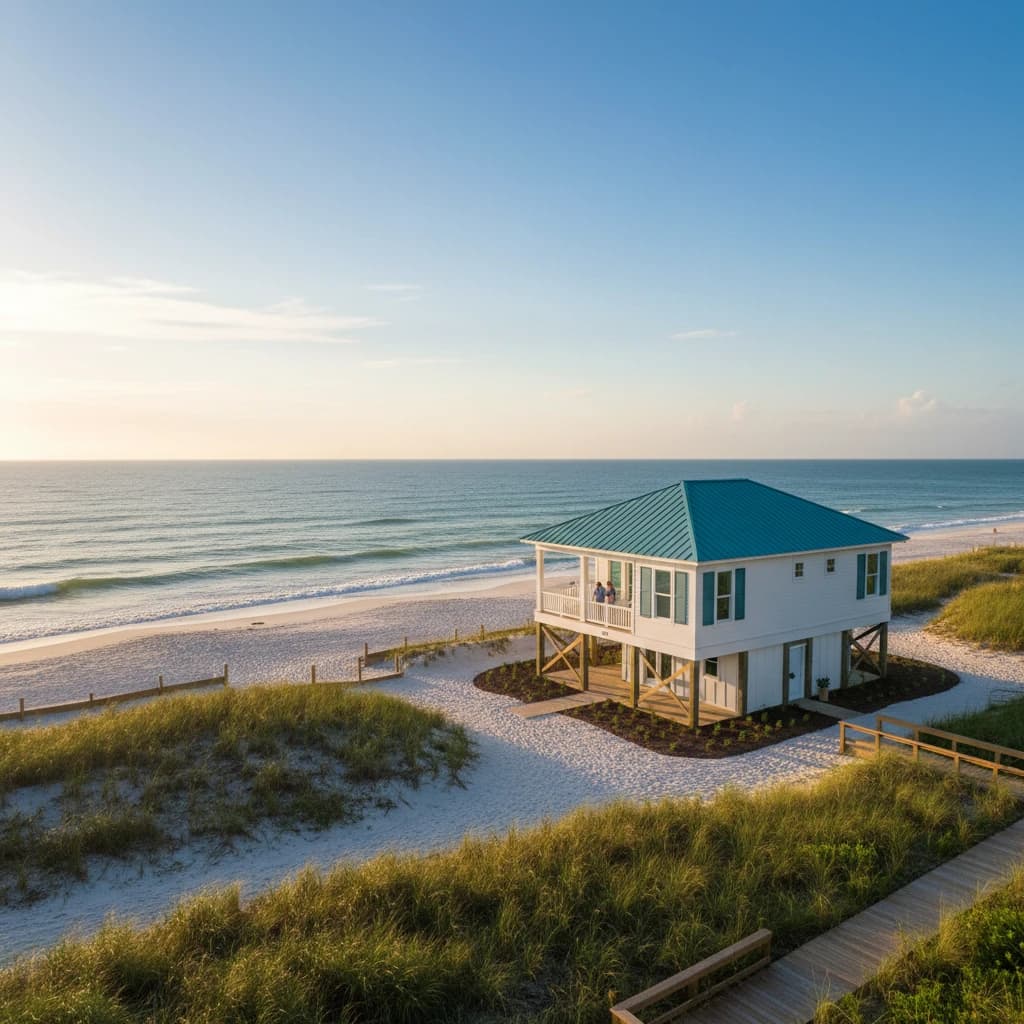
Lead adjuster Eli Goins and our team document the loss in person, read your full policy before talking numbers, and build an independent scope that captures the canal-side items adjusters routinely skip, the seawall, the cage, the dock, the water line inside the block. We present that to the carrier, push back on misapplied exclusions, and pursue the supplements the file earns. Because we work Lee County constantly, we know what a real Cape Coral rebuild costs, not a national average.
Fees, Timing, and Talking to a Cape Coral Public Adjuster
Under Florida law (626.854), public adjusters are licensed and our fee is a capped percentage of what we recover, so there is no separate bill. Deadlines are real: 627.70132 generally gives one year to report a new hurricane claim and 18 months for a supplemental, so a stalled or underpaid Ian loss should be reviewed now, not later. Ocean Point Claims serves the whole Gulf Coast and Florida, including all of Lee County and the surrounding locations.
Talk to a Cape Coral public adjuster. Call (888) 824-1306 or reach us through our contact page for a straight read on whether your claim was paid what it should have been.