
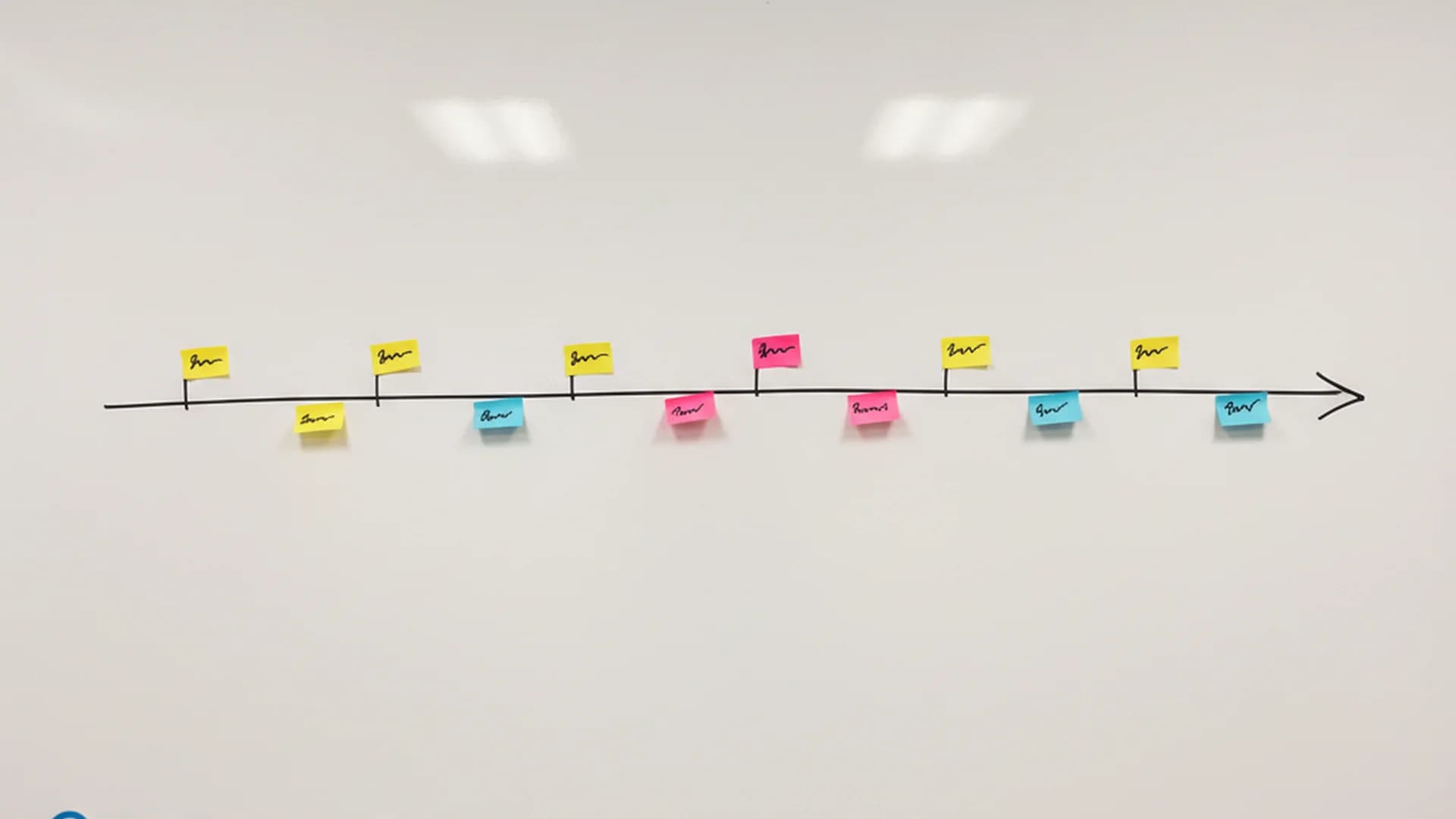
Short answer: A Florida property insurance claim moves through eight stages: filing first notice of loss, the insurer's 7-day acknowledgment, a 30-day inspection, estimate and reserve setting, the 60-day pay, deny, or partial-pay decision, the 18-month window to file supplements, escalation through mediation or a Civil Remedy Notice, and final settlement and release.
Stage 1: First notice of loss (FNOL)
You report the claim. Fla. Stat. 627.70132 requires notice within 1 year of loss; prompt notice is always better. The carrier creates a claim number, assigns a claim file, and routes to a field or desk adjuster.
Typical duration: Hours to days after loss.
Stage 2: Acknowledgment
The carrier must acknowledge receipt within 7 days (Fla. Stat. 627.70131). This is a statutory deadline: missing it is a bad-faith indicator.

Stage 3: Inspection
An adjuster (field, independent, or catastrophe-team) inspects the property. They photograph damage, measure, and write up a scope note. Florida requires the inspection to begin within 30 days of notice.
Policyholder action: Be present or have your public adjuster present. Take your own photos.
Stage 4: Estimate and reserve
Back at the desk, the adjuster writes up the claim in Xactimate. A reserve (the carrier's estimated payout) is entered into the system. This is where scope reduction happens most aggressively.
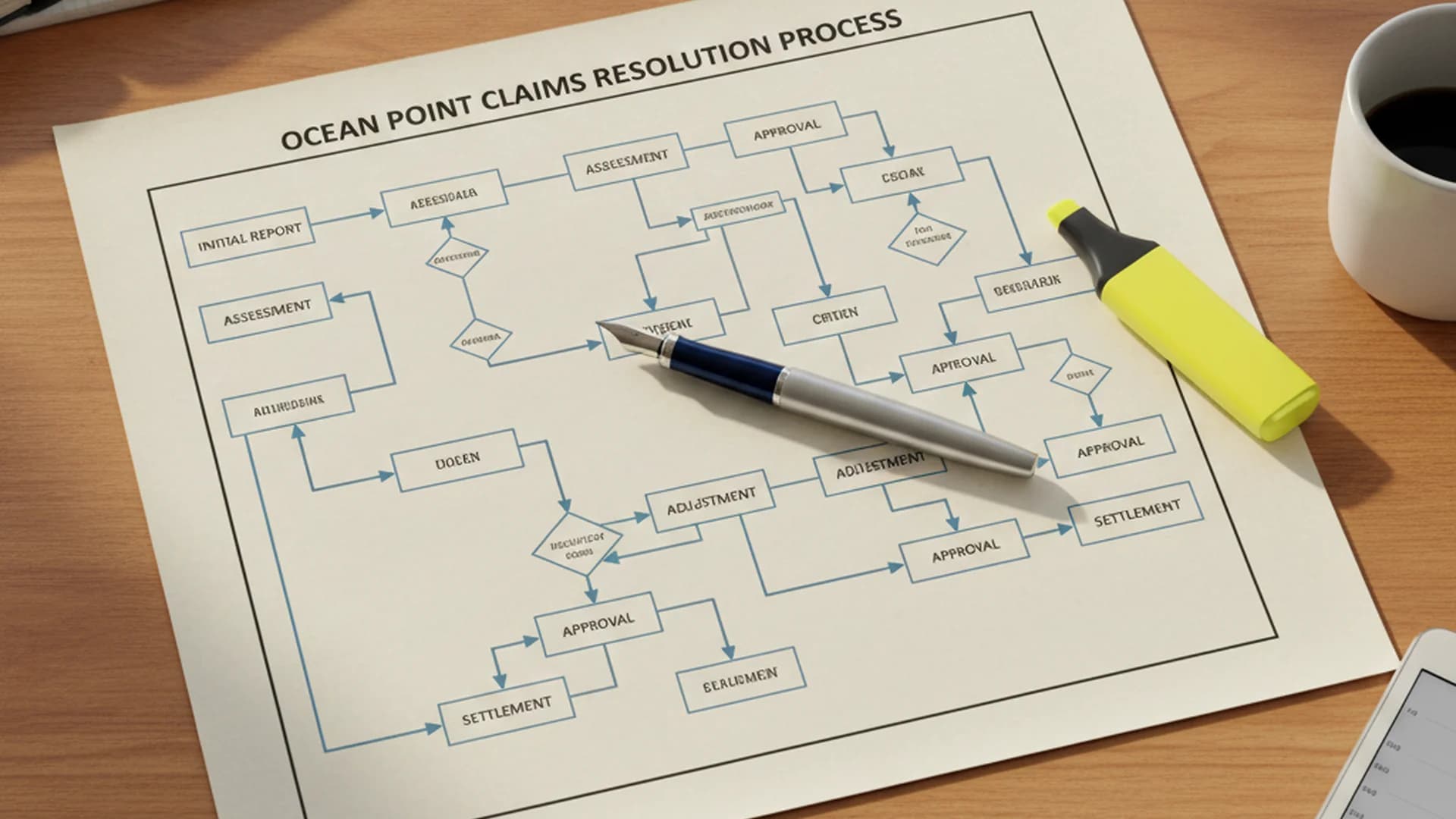
Stage 5: Pay, deny, or partial
Within 60 days of notice, the carrier must pay, deny, or advise of coverage status. Most claims resolve with a partial payment here.
Stage 6: Supplement / dispute window
If the payment is insufficient, the policyholder has 18 months to file a supplemental claim. This is where the real recovery often happens.
Stage 7: Escalation
Appraisal, DFS mediation, or Civil Remedy Notice depending on the dispute type.
Stage 8: Settlement and release
Final payment, signed release, claim closure. Release language matters: generic releases can foreclose future-damage claims.