Florida property insurance claims are governed by a specific set of statutes, deadlines, and carrier procedures. This master guide walks a policyholder through every phase, from loss through settlement, with the statute citations, tactical guidance, and decision points that matter.
Reviewed by Eli Goins, FL DFS License #P159790 · Last updated
By Eli Goins · FL DFS #P159790 · Reviewed: · 2 min read
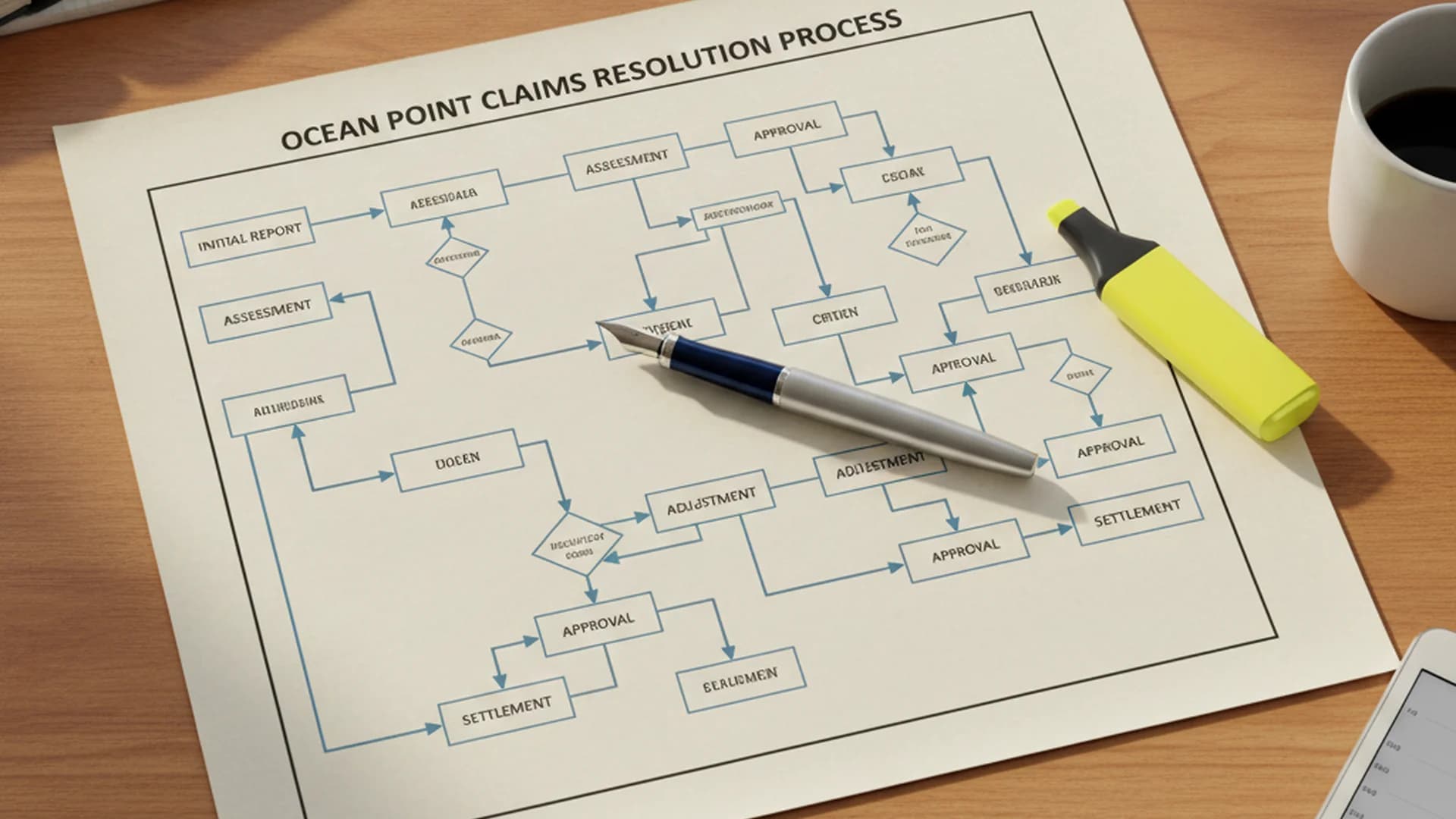
Short answer: In Florida, a property claim moves through six phases under the state's claim-handling statutes: mitigate and document the loss, prepare a detailed estimate, then file notice. The insurer must acknowledge, inspect, and pay or deny within set deadlines. If disputes arise, you escalate through appraisal, mediation, or a Civil Remedy Notice before settlement and recoverable depreciation release.
The governing statutes
Five Florida statutes do 90% of the work in property insurance claims:
Civil Remedy Notice: 60-day statutory pressure under 624.155
Litigation: with first-party insurance counsel
Phase 6: Settlement and supplements
Review the settlement letter and release carefully
Don't sign a release that forecloses future damage
Track the RCV holdback; invoice repairs to release it
File a supplemental claim within 18 months if scope gaps emerge
Frequently asked questions
How long does my insurance company have to respond to a property claim in Florida?+
Under Florida Statute 627.70131, your insurer must acknowledge your claim within 7 days of receiving it, begin a physical inspection within 30 days, and pay or deny the claim within 60 days after you file it. Missing these deadlines can expose the carrier to interest and supports a later bad faith argument. The guide's response-deadline phase walks through each clock.
How long do I have to file a property damage claim in Florida?+
Florida Statute 627.70132 generally gives you 1 year from the date of loss to give your insurer notice of a new claim, and up to 18 months to file a supplemental or reopened claim. These windows are shorter than older limits, so document and report damage promptly. The guide covers notice timing within its filing phase.
What can I do if my insurer underpays or denies my claim?+
Florida gives you several escalation paths short of immediately suing. You can invoke the policy's appraisal clause for valuation disputes, request state-run mediation through the Department of Financial Services under Florida Statute 627.7015, or serve a Civil Remedy Notice under 624.155 to put the carrier on notice of bad faith. The guide's escalation phase explains when each option fits and how litigation becomes a last resort.
What is recoverable depreciation, and how do I get the holdback released?+
On a replacement cost policy, the insurer often pays actual cash value first and withholds depreciation, called the RCV holdback. After you complete repairs and submit proof of the actual cost, you can recover that withheld depreciation up to your replacement cost limit. The guide's settlement phase explains how to document completed work to release the holdback.
Does my insurance company have to match undamaged materials like roof or floor tiles?+
Florida Statute 626.9744 addresses matching, requiring a carrier to account for items that form a matched set, such as roofing, flooring, or cabinets, when a repair would otherwise leave a mismatched appearance. This often affects whether a partial repair or a fuller replacement is owed. The guide addresses matching within its estimate and negotiation phases.