
Florida mold claim deep dives
Short answer: Florida mold insurance claims turn on three things: your policy's mold sublimit, whether an exclusion applies, and whether the mold resulted from a covered loss like sudden water damage. Most policies cap mold payments and exclude long-term moisture, so the cause, the timeline, and your testing and remediation records decide what gets paid.
Mold disputes are rarely about whether mold exists. They are about coverage language, dollar caps, and cause, and those three pressure points decide most Florida mold insurance claims. A carrier may agree there is mold behind your drywall and still limit payment, or deny it outright, by pointing to a sublimit, an exclusion, or a finding that the moisture built up over time rather than from a single covered event. Understanding which argument the insurer is making is the first step toward answering it.
What actually decides a Florida mold claim
Start with the policy itself. Many Florida homeowners policies carry a mold sublimit, a separate and often modest cap that applies even when the underlying water loss is fully covered. Insurers also lean on exclusion language, then argue that the entire claim falls inside it. The counterweight is resulting damage: when a covered peril such as a sudden pipe break or storm intrusion sets the conditions for mold, the resulting damage analysis can keep coverage alive where a flat exclusion would not. The gap between "excluded mold" and "covered resulting damage" is where a large share of these claims are won or lost.
Cause and timeline matter just as much. A claim reported promptly after a sudden leak reads very differently from one where moisture sat for months, and carriers frequently blame delayed handling or long-term seepage to invoke an exclusion. Evidence fills that gap: moisture mapping, category of water, and a clear repair history.
Where the fights cluster
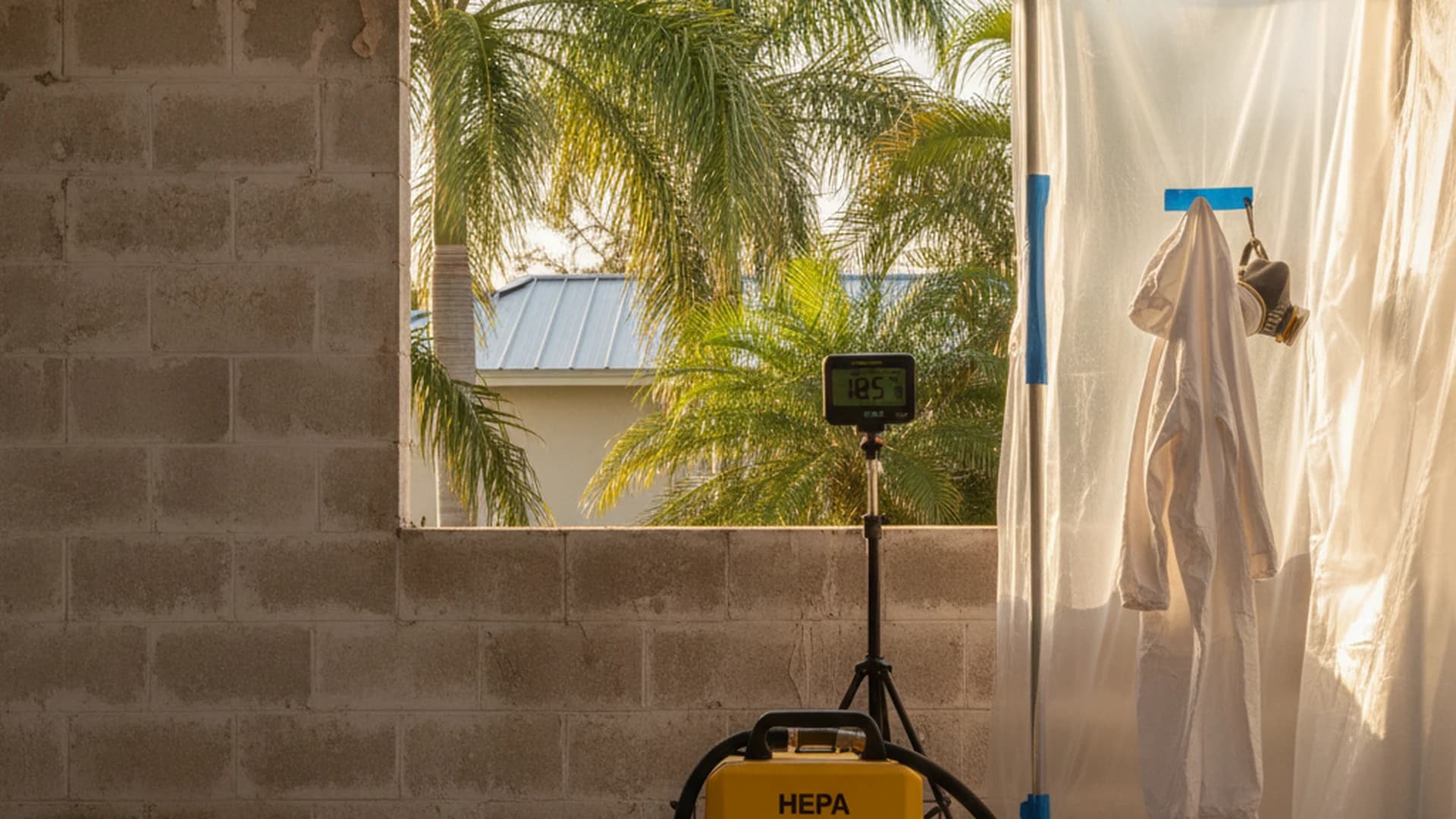
Beyond coverage caps and exclusion loopholes, these claims commonly stall over air-quality and clearance testing disputes, hidden mold discovered behind walls after repairs begin, remediation containment that the carrier calls excessive, and mold tied to slow claim handling. Each has its own standard of proof, and insurers often dispute the testing protocol, the remediation scope, or the Xactimate line items rather than the mold itself. The appraisal clause and ordinance or law coverage can also come into play once the dollar disagreement is defined.
If your mold claim has been capped, delayed, denied, or underpaid, a licensed public adjuster represents you, not the insurer. Ocean Point Claims offers a free, no-obligation claim review, and on a no recovery, no fee basis you can have your policy and testing records evaluated before you accept the carrier's number.
- MoldMold Exclusion LoopholesFlorida mold coverage is typically sublimited, but exclusion language has carve-outs that policyholders can use. The loopholes that preserve coverage.Read more
- MoldResulting vs. Excluded DamageFlorida ensuing-loss doctrine separates excluded mold damage from covered resulting damage. How the distinction preserves coverage.Read more
- MoldMold Testing Protocol DisputesMold testing validity drives claim outcomes. Air sampling, surface testing, ERMI, and species identification: what protocols actually hold up.Read more
- MoldAir Quality Testing ValidityMold air-quality tests vary widely in validity. How to ensure testing holds up to carrier scrutiny and claim dispute.Read more
- MoldRemediation Containment FailuresWhen mold remediation fails containment, cross-contamination spreads to previously unaffected areas. Florida claim implications and recovery.Read more
- MoldCross-Contamination During RemediationHow mold remediation can spread contamination to previously clean areas, and how to document the resulting claim scope.Read more
- MoldMold Coverage CapsFlorida mold sublimits explained: typical caps, exceptions, and how to maximize recovery by separating mold-specific from water-damage scope.Read more
- MoldHidden Mold Behind Walls and CabinetsMost Florida mold starts hidden: behind walls, under cabinets, in wall cavities. Detection and documentation drives full scope.Read more
- MoldMold from Delayed Claim HandlingWhen carrier delay allows mold to develop, the expanded damage is typically recoverable. How to document the delay causation.Read more
- MoldMold Clearance Testing DisputesClearance testing confirms remediation success. When clearance fails, or when carriers challenge it, the claim gets complicated.Read more
- MoldRebuild After Mold RemediationAfter mold remediation, rebuild scope often becomes a carrier dispute. What's covered, what isn't, and how to structure the supplemental.Read more
- MoldHealth-Related Mold Claim ArgumentsFlorida mold policies rarely cover health damages directly, but health issues can drive ALE and relocation scope. Where health crosses into claims.Read more
Frequently asked questions
Does Florida homeowners insurance cover mold damage?
What is a mold sublimit and why does it matter?
My mold claim was denied as a long-term or excluded loss. Can that be challenged?
Why do insurers dispute mold air-quality and clearance testing?
Should I hire a public adjuster for a Florida mold claim?
Ready to talk to a licensed Florida public adjuster?
☎ (888) 824-1306Free claim review. No recovery, no fee. Answered 24/7.
Get a free claim review- License
- FL DFS #W829547
- Experience
- 21 years · 500+ mediations
- Rating
- 4.9★ (89 Google reviews)
- Fee
- No recovery, no fee