
By Anthony Barber · FL DFS #W101847 · Reviewed: · 1 min read
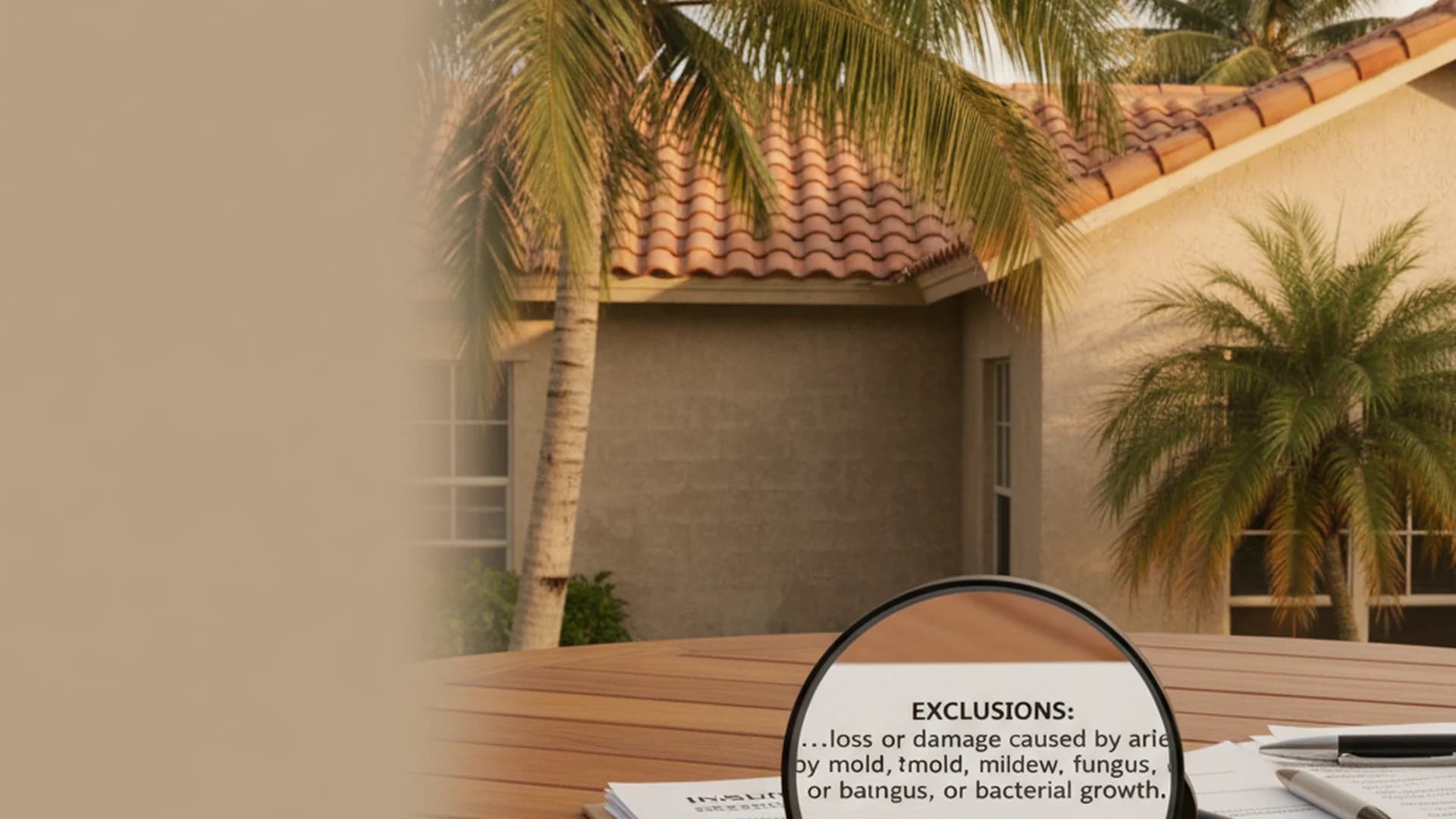
Typical exclusion language
The key phrase: "if it results from" a covered water peril.
Loopholes to leverage
Resulting-loss carve-out
- Sudden water loss (covered) → mold develops → mold remediation triggered
- The water-loss scope retains full policy limits
- The mold-specific scope is sublimited but coverage exists
Ensuing-loss doctrine
- Florida case law supports ensuing-loss coverage
- Structural damage caused by mold (not the mold itself) typically covered
- Material replacement distinct from mold remediation
Non-mold damage exclusion doesn't apply
- Drywall, flooring, cabinetry damaged by water (not mold) → full coverage
- Only true mold scope is sublimited
Specific endorsements
- Some policies have expanded mold coverage endorsements
- Read declarations; higher mold limits available
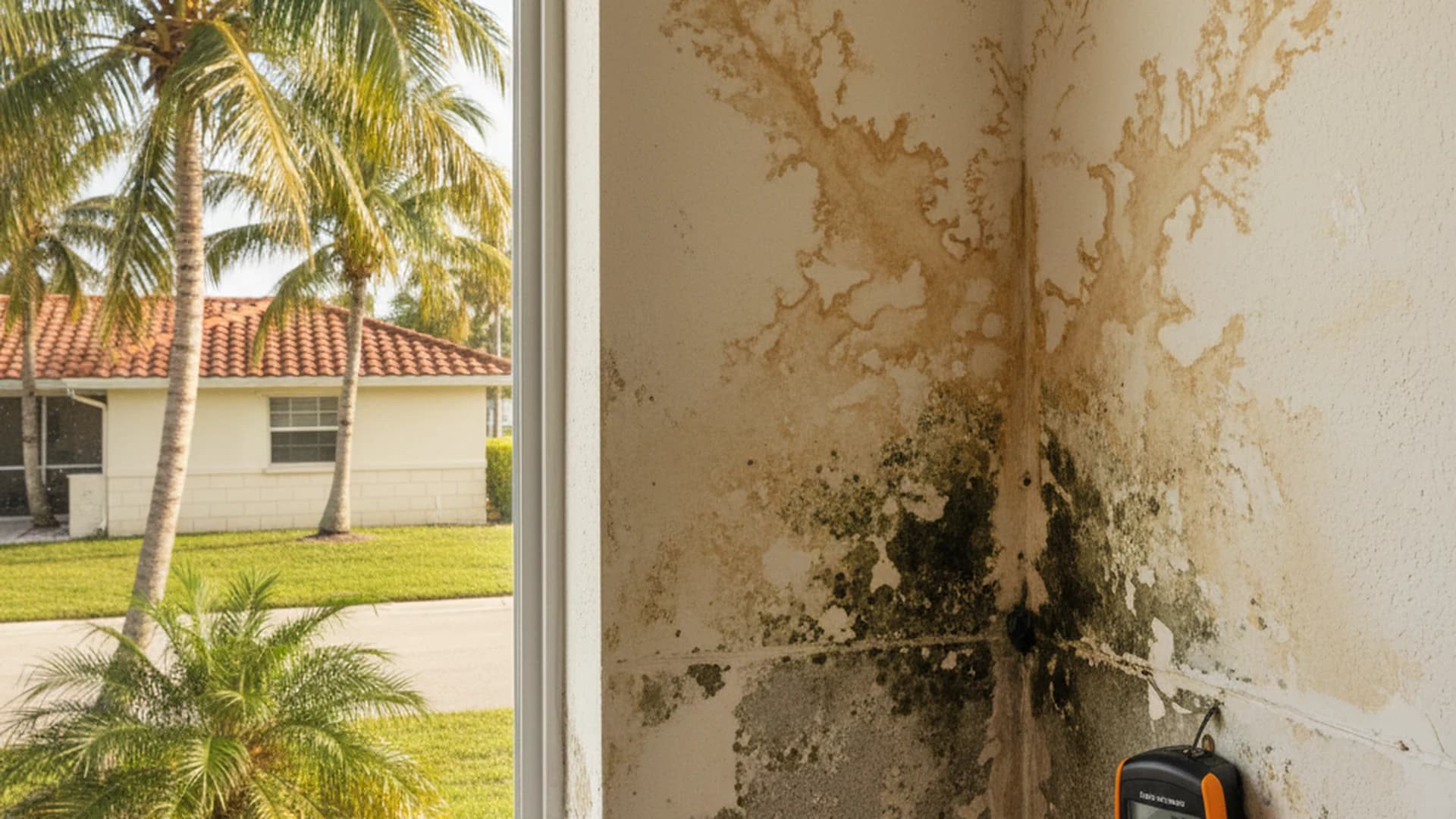
How to separate scope
Every fire or water claim should separate:
- Water damage scope (full policy limits)
- Mold remediation scope (subject to sublimit)
- Structural replacement scope (full limits; not mold-specific)
- Contents scope (full Coverage C; mold sublimit applies only to mold-specific contents)
How Ocean Point structures this
Every mold claim we handle gets a three-column scope:
- Water-damage line items (fully covered)
- Mold remediation line items (subject to sublimit)
- Structural-replacement line items (fully covered)
This preserves maximum recovery.