
By Anthony Barber · FL DFS #W101847 · Reviewed: · 1 min read
IICRC S520 containment requirements
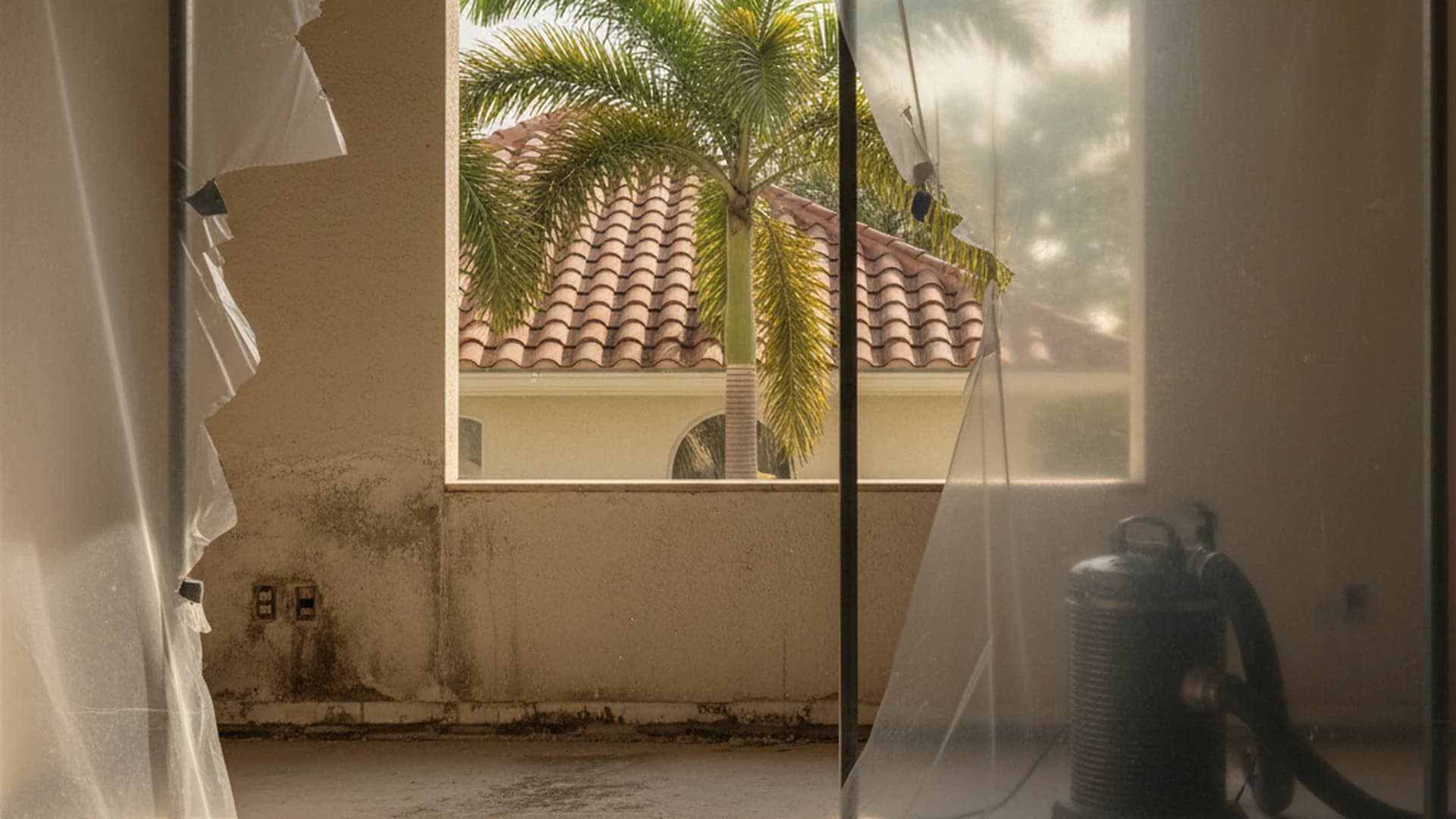
Full containment
- Floor-to-ceiling plastic sheeting
- Sealed at edges
- Negative air pressure maintained
- HEPA-filtered exhaust
- Decontamination airlocks
- Used for Category 3 or >100 sqft contamination
Limited containment
- Minimum 6-foot barrier
- Negative air pressure
- Suitable for smaller areas
Source containment
- Localized bagging or enclosure
- Small-scope remediation
Common containment failures
- Gaps at edges allowing airflow around barriers
- Insufficient negative pressure (air escapes into clean zones)
- Unsealed HVAC penetrations
- Traffic through containment without decontamination
- Contaminated equipment removed from zone without cleaning
- Debris bags not sealed before removal
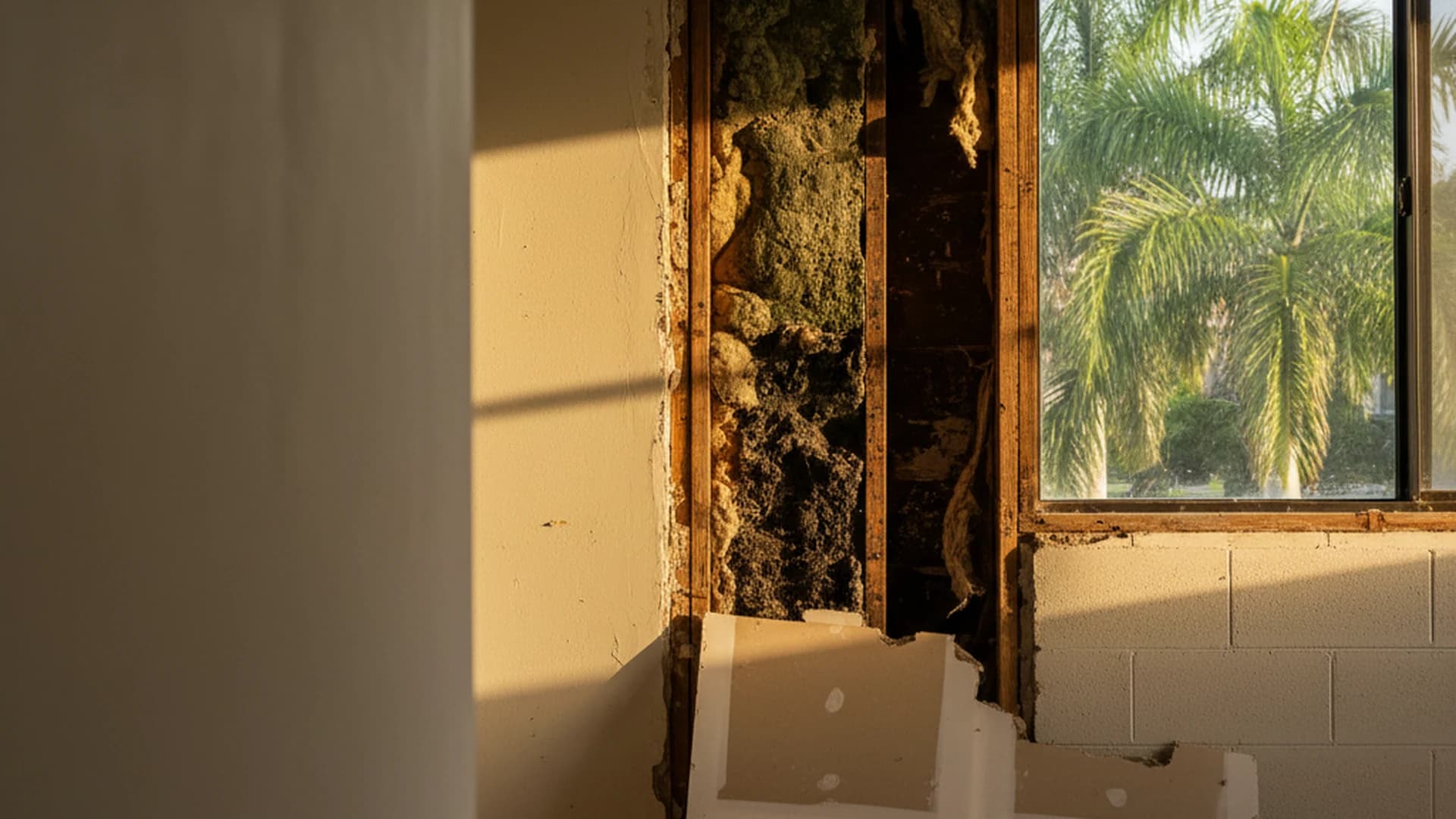
How contamination spreads
- Spore-laden air escapes to adjacent rooms
- Settle on surfaces, fabrics, contents
- HVAC distributes to distant areas
- Crawlspace or attic migration
Documenting the failure
- Pre-remediation photos of containment setup
- Air sampling in adjacent "clean" areas (before and after remediation)
- Surface samples of adjacent areas post-work
- Elevated spore counts in areas outside containment
- Workflow observations (door openings, debris handling)
Claim implications
When containment fails:
- Additional areas require remediation (supplemental scope)
- Contents in previously unaffected areas contaminated
- Occupant exposure during work extends ALE
- Re-work requirements
Who bears the cost
- Remediation contractor may bear re-work cost if negligent
- Carrier may pay additional scope as resulting loss
- Dispute often centers on causation