
By Anthony Barber · FL DFS #W101847 · Reviewed: · 1 min read
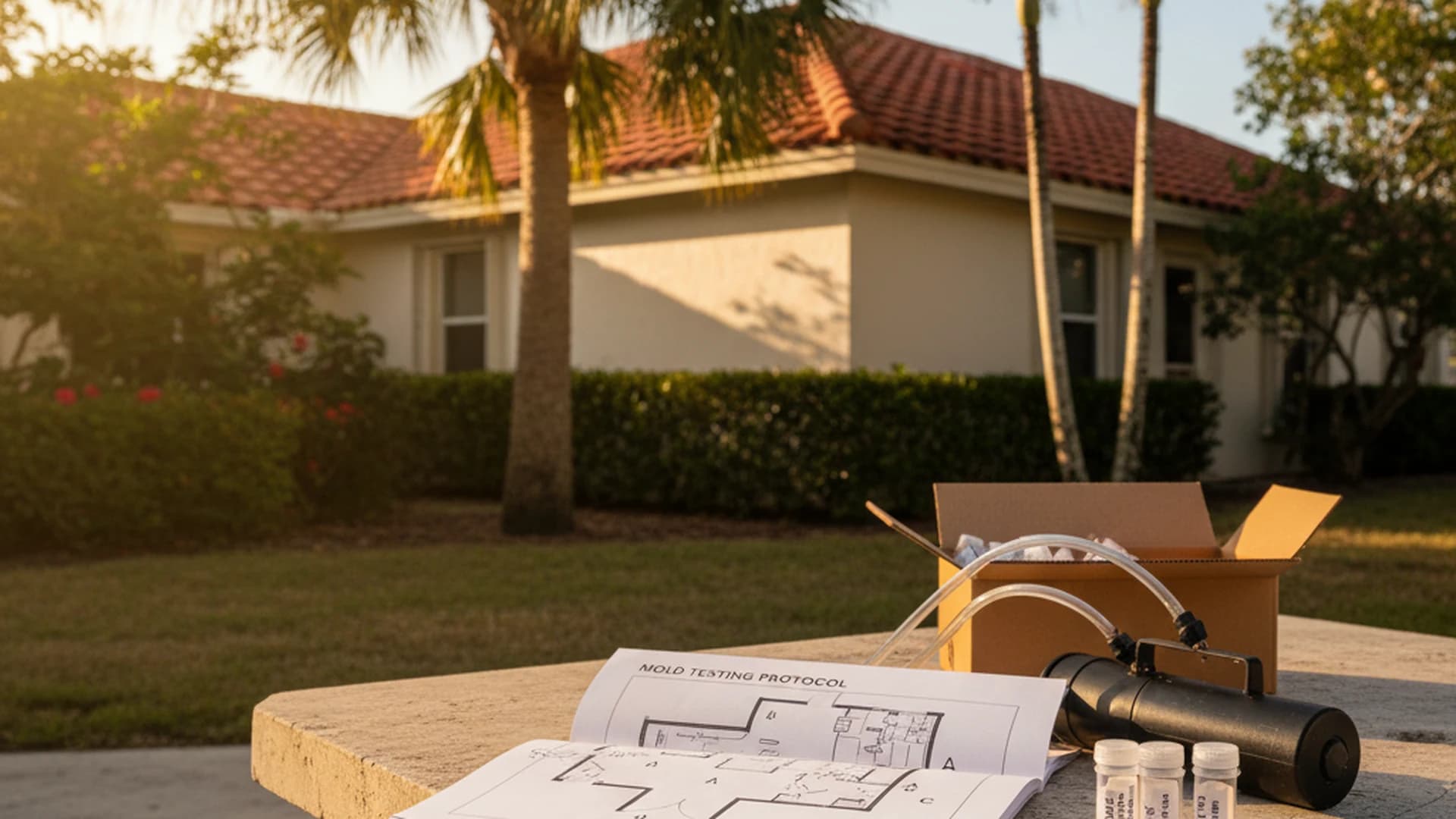
Air sampling protocols
Standard approach:
- Indoor samples in affected rooms
- Outdoor baseline sample for comparison
- Control sample in unaffected area
- Taken with calibrated pump and cassette
- Sample time standardized
- Laboratory-analyzed (ISO-certified lab)
Interpretation:
- Indoor spore counts should be below outdoor (typically 1:1 ratio)
- Specific species elevated indoors = suspect growth
- Penicillium/Aspergillus elevated = suspect water-damage scenario
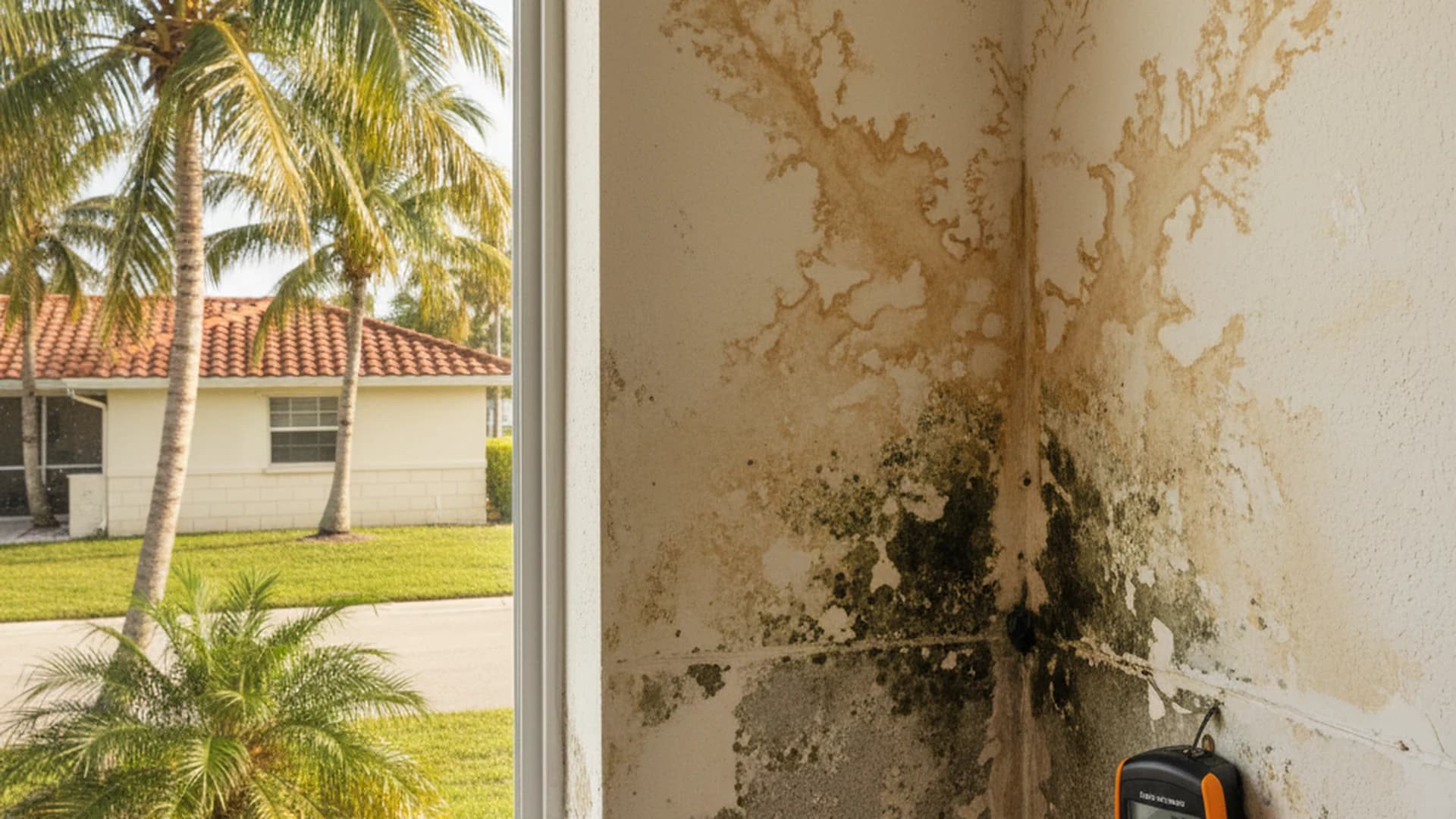
- Stachybotrys detected = strong indicator of chronic moisture
Surface testing
- Swab samples of suspect surfaces
- Tape-lift samples for non-destructive
- Direct microscopy for immediate speciation
- Culturable samples for viable growth
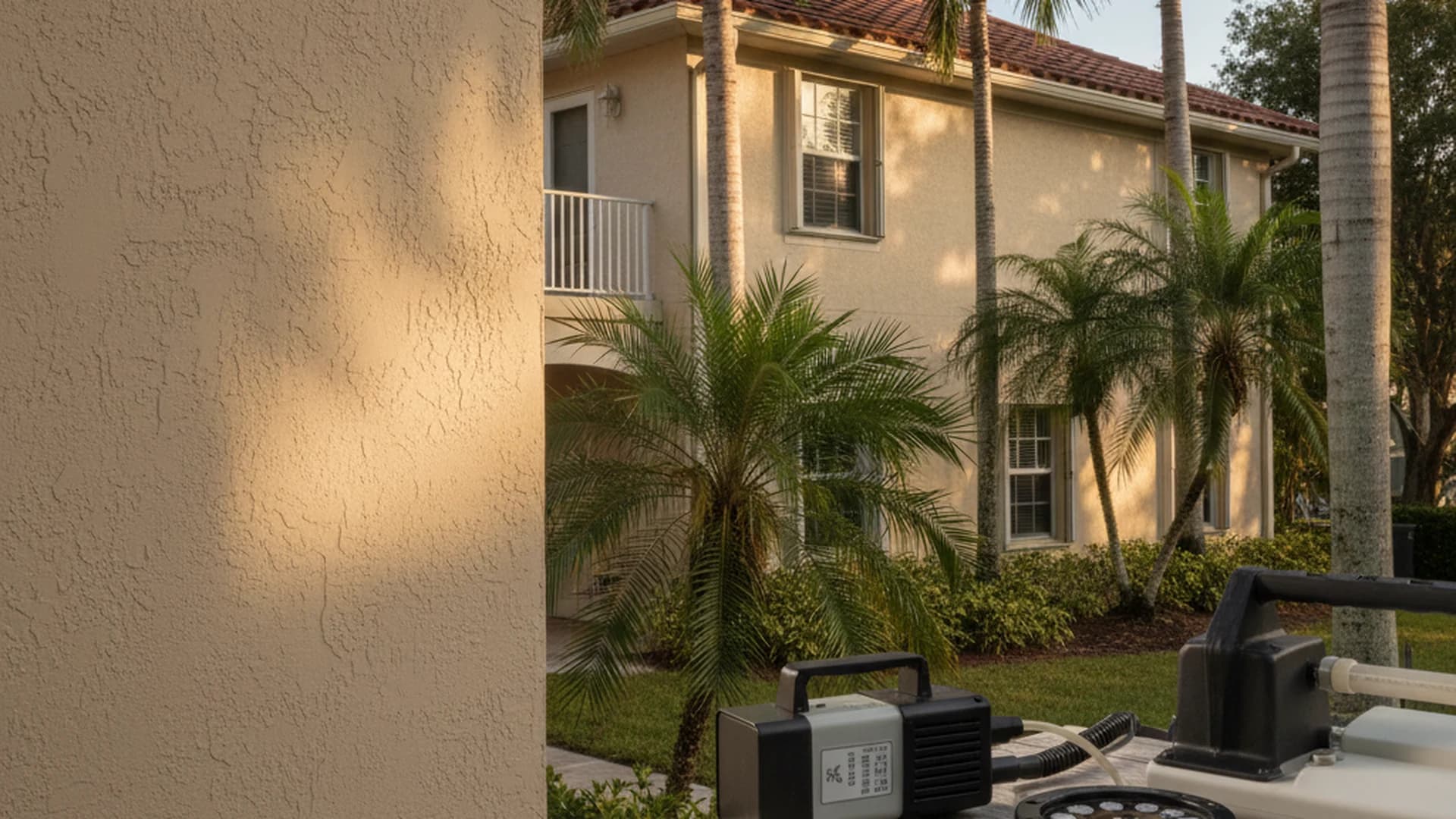
ERMI (Environmental Relative Moldiness Index)
- Dust-sample based
- Compares indoor dust to reference database
- Group 1 species (water-damage-related) vs. Group 2 (normal fungal ecology)
- Useful for hidden-mold scenarios
Carrier pushback patterns
- "No testing required" (dismissing scope)
- "Sampling not per protocol" (technical challenge)
- "Lab not qualified" (without specifics)
- "Species found are common" (ignoring levels)
Counter-documentation
- Certified industrial hygienist credentials
- Accredited lab report (AIHA-LAP or equivalent)
- Protocol citation (AIHA, IICRC S520)
- Comparison to outdoor baseline
- Species-specific interpretation