
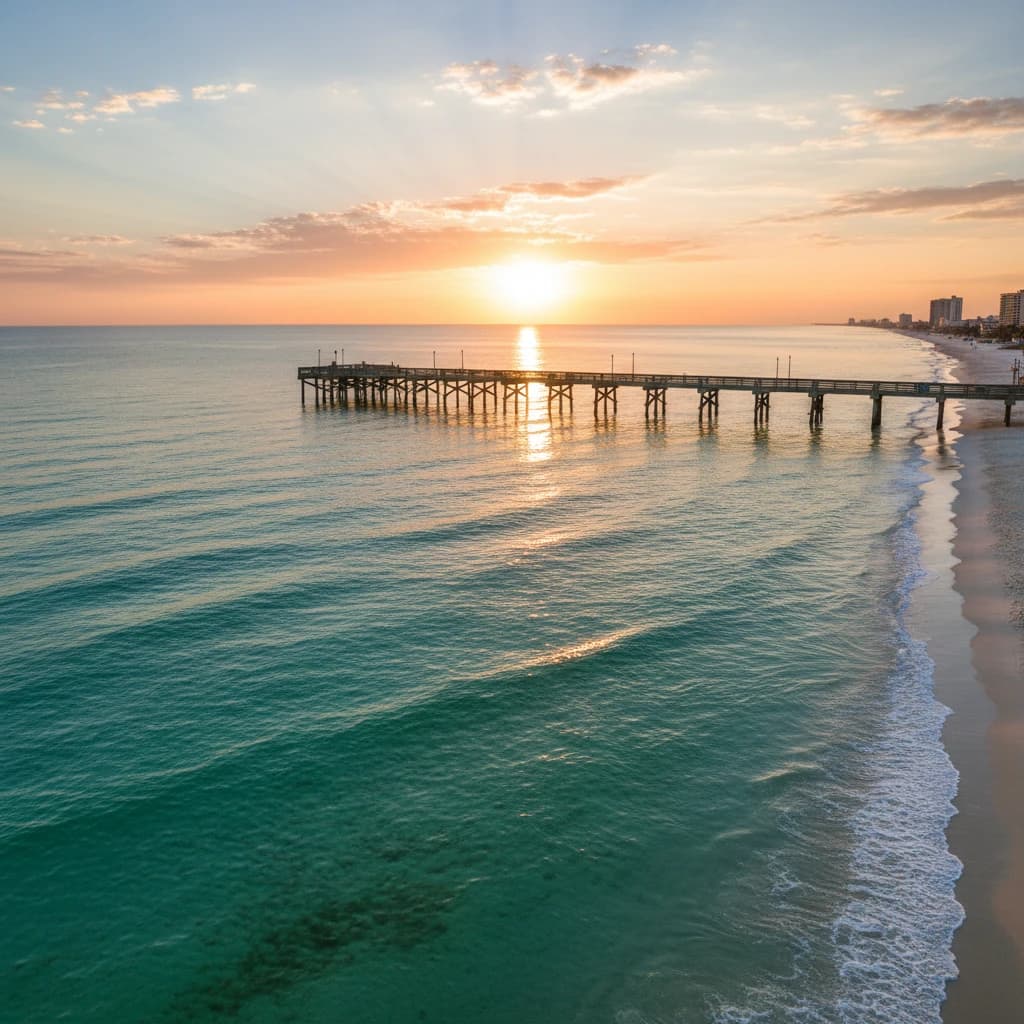
Short answer: A Clearwater public adjuster represents you, not your insurer, on Pinellas County property claims, and under Fla. Stat. 626.854 the fee is capped and contingent. On Clearwater Beach and Sand Key a single storm can trigger wind, flood, and condo master policies at once, and the back-to-back 2024 hits from Helene and Milton made causation the central fight. Ocean Point Claims (FL DFS #W829547) separates each peril and holds carriers to the deadlines in Fla. Stat. 627.70131.
The Storms That Reshaped Clearwater Claims
Clearwater's claim history is written in named storms. In 2024, Hurricane Helene pushed storm surge across Clearwater Beach and Sand Key, flooding ground floors, garages, parking structures, and elevator pits along the barrier island, and weeks later Hurricane Milton followed with a second round of wind and water before many homeowners had finished drying out from the first. A year earlier, Hurricane Idalia (2023) drove rain and wind through the central and inland neighborhoods, and Hurricane Ian (2022) had already left wind and water-intrusion damage across Pinellas County. The pattern matters because back-to-back events make causation murky: when one storm loosens flashing or lifts shingles and the next storm drives rain through the opening, carriers often try to assign the loss to whichever event your policy covers least. Documenting which storm caused what, and when, is frequently the difference between a paid claim and a flat denial.
Barrier-Island Exposure Meets Older Inland Stock
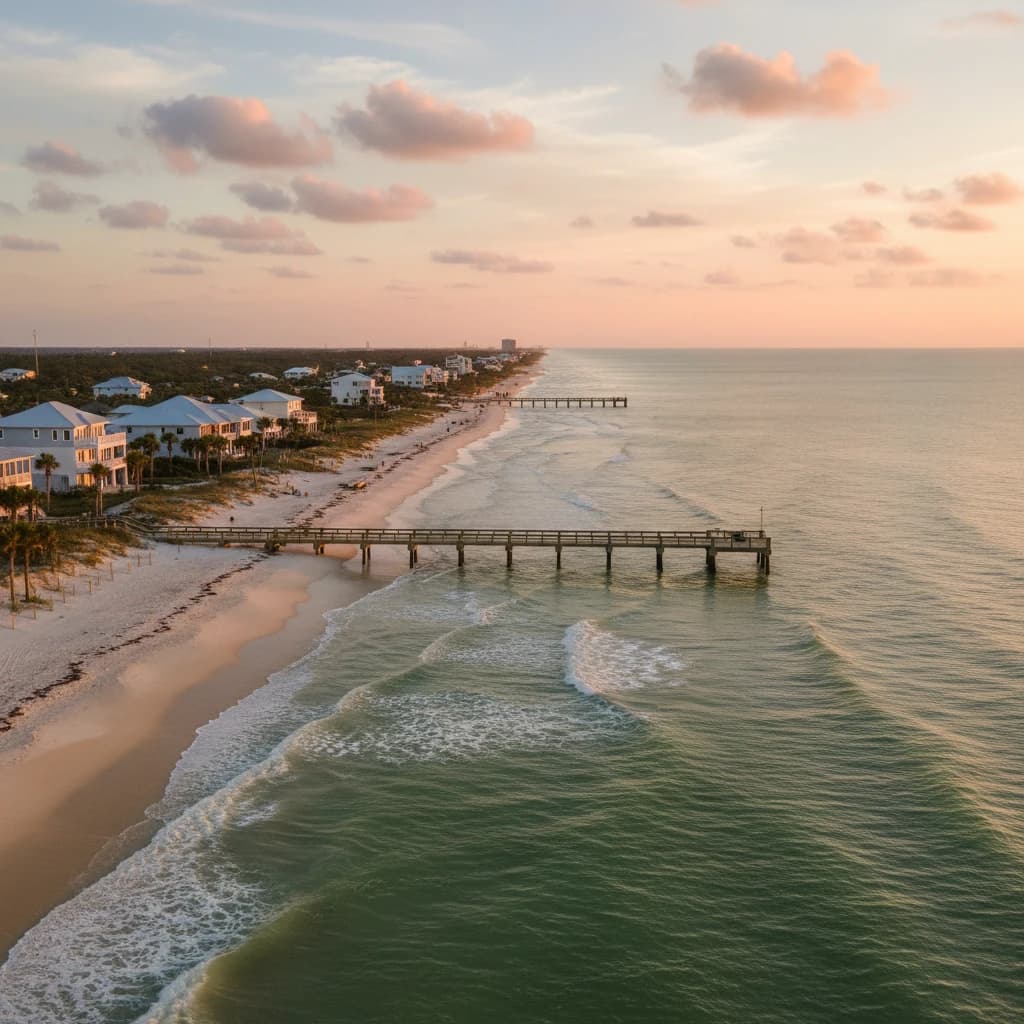
Geography is why Clearwater losses get complicated. Clearwater Beach and Sand Key sit directly on the Gulf, where wind and storm surge arrive together, while the Intracoastal Waterway exposes interior shorelines to rising water from the back side. On the barrier island, a single event can trigger a wind policy, a flood policy, and sometimes a condo master policy all at once, and the dividing lines between those policies are exactly where money gets lost. Inland, Clearwater's central neighborhoods hold a large stock of older single-family homes with aging roofs, original tile, and discontinued finishes, the conditions that turn ordinary repairs into matching disputes. We separate each component of a loss so it lands on the coverage that actually pays for it, instead of letting the carrier collapse everything into the cheapest category.
Claim Types We Handle Across Pinellas County
Ocean Point represents Clearwater property owners on the full range of claims seen across Pinellas County: hurricane wind and storm-surge damage, roof and water-intrusion losses, wind-versus-flood causation disputes on beachfront and Intracoastal homes, condo and HOA claims where master-policy and HO-6 coverage overlap, mold following undetected water, and business-interruption losses for Gulf-front hotels, vacation rentals, and restaurants. We also take denied, underpaid, and reopened claims, including supplemental claims where the first check never covered the real scope and damage surfaced only after demolition began. Whether the property is a Sand Key condo, a downtown commercial building, or an inland bungalow, the documentation standard is the same: every covered item is identified, measured, and tied to the peril and policy that pays for it.
Why Clearwater Settlements Come In Low
Underpayment usually follows predictable patterns. Carriers reduce scope so the estimate ignores code-required upgrades, code-mandated reconstruction, and the full extent of hidden damage behind walls and under roofing. On the beach, they lean hard on wind-versus-flood causation to push a covered loss onto a policy you may not carry. And on Clearwater's older homes, they pay to patch a single slope or wall instead of matching, even though Fla. Stat. 626.9744 supports a uniform appearance when the original materials are no longer available. A low first offer is a negotiating position, not a final number, and treating it as final is the most common and costliest mistake a policyholder can make.
How Ocean Point Builds a Clearwater Claim
We start with a free policy and claim review, then inspect the property on-site, because surge lines, roof uplift, and water paths have to be seen and photographed, not estimated from a desk. We read your policy line by line for wind, flood, ordinance-or-law, and matching coverage, then build a detailed line-item Xactimate estimate that reflects the true cost to repair to current code. We submit and negotiate under the deadlines in Fla. Stat. 627.70131, which requires the insurer to acknowledge, investigate, and pay the claim within set statutory windows. When a carrier stalls, undervalues, or denies without basis, we escalate through appraisal, mediation, or a Civil Remedy Notice under Fla. Stat. 624.155, keeping pressure on the file until the number reflects the actual loss. Throughout, you stay informed and we handle the back-and-forth with the adjuster.
Fees, Timing, and Your Next Step
Ocean Point works on contingency under Fla. Stat. 626.854: no recovery, no fee, with our percentage set in a written contract you can cancel within 10 days of signing. That structure keeps our interest aligned with yours, to maximize what you collect rather than to close the file fast. The sooner a claim is documented, the stronger it is, so even if your loss is months old or already denied, it is worth a second look. Call (888) 824-1306, reach us through our contact page, or see every market we cover on our locations page and our Florida statewide public adjuster overview. A Clearwater public adjuster who works for you, not the insurer, can change what your claim is worth.