
By Anthony Barber · FL DFS #W101847 · Reviewed: · 1 min read
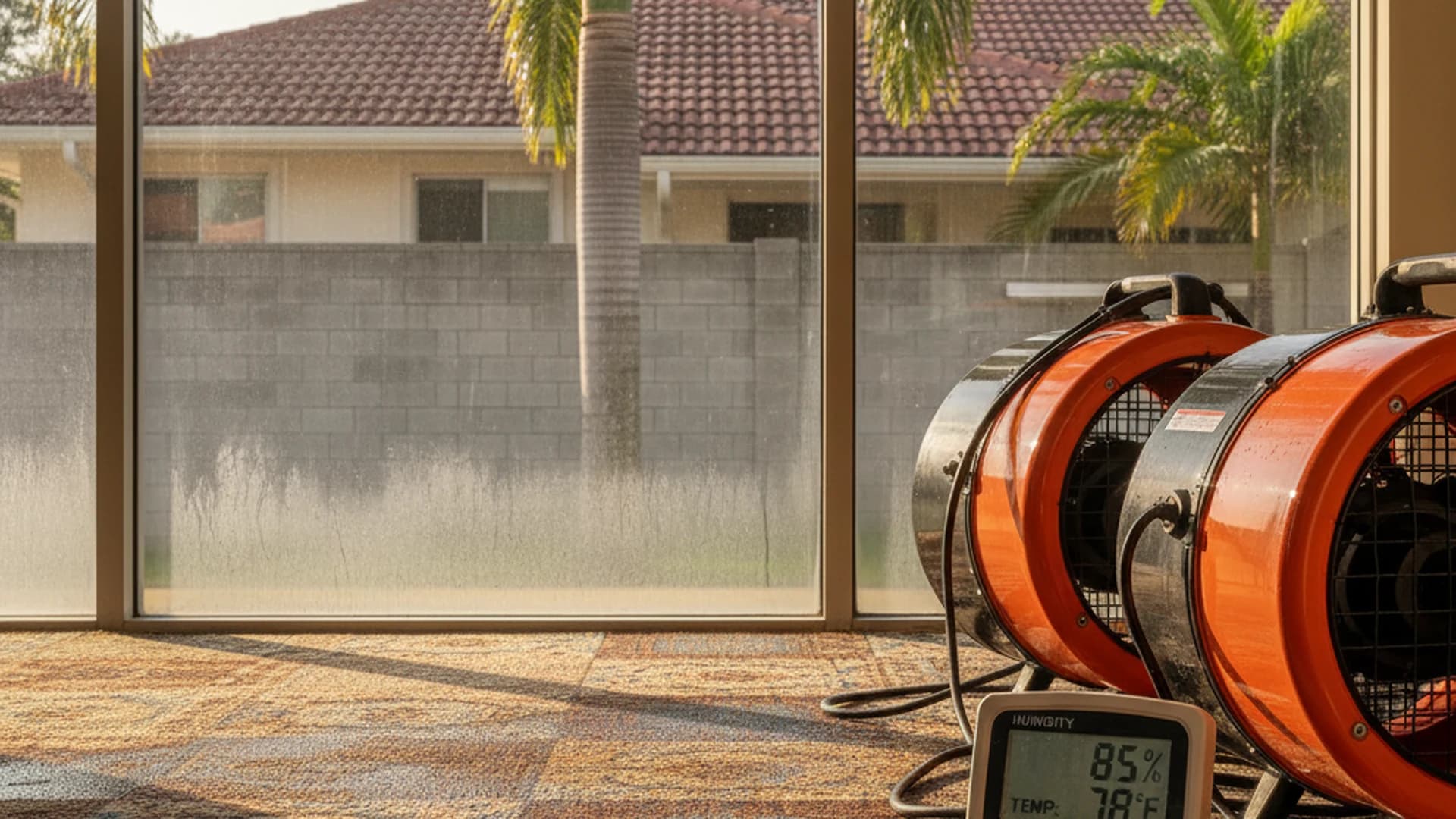
What IICRC-standard dry-out looks like
- Moisture mapping at initial inspection (affected areas, hidden cavities)
- Equipment staged to calculated load: air movers, dehumidifiers, HEPA scrubbers sized to cubic footage
- Daily moisture readings: documented in drying log
- Benchmark achievement: materials dried to pre-loss equilibrium moisture content
- Clearance verification: moisture readings confirm dry state before equipment removal
What improper dry-out looks like
- Under-staffed equipment (too few air movers for the square footage)
- Insufficient dehumidification (ambient humidity stays high)
- Early equipment removal before benchmarks are reached
- No moisture mapping of hidden cavities
- No daily log or log with suspicious consistency
- No final verification reading
Downstream problems
When dry-out is improper:
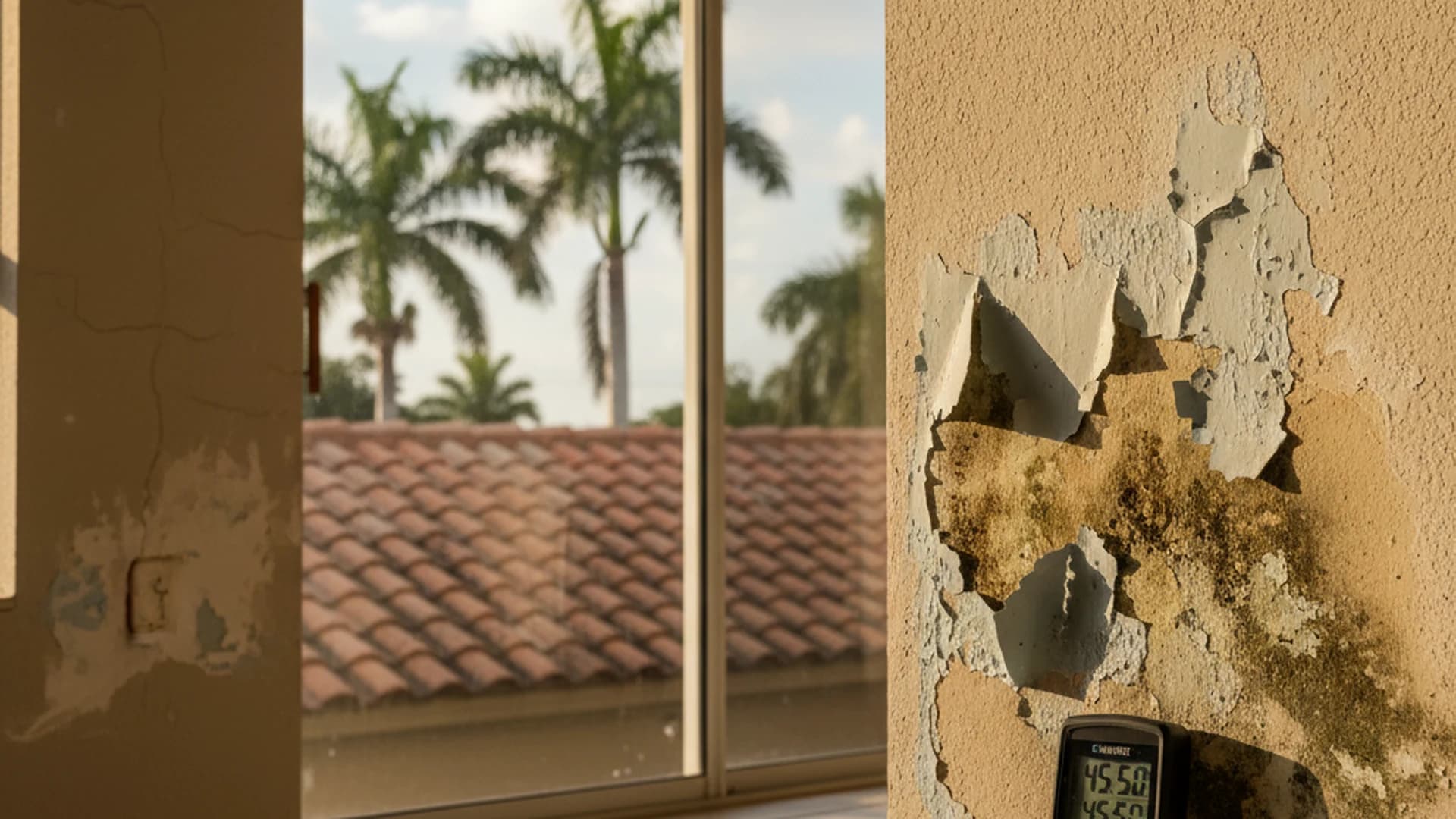
- Mold develops in 24-72 hours in undried cavities
- Structural materials degrade (subfloor, wall framing, cabinetry)
- Secondary water damage emerges weeks later as moisture migrates
- HVAC contamination if system wasn't protected during drying
Claim impact
- Carrier denies the expanded damage as "resulting from improper mitigation"
- Mold sublimit cap applied to mold that could have been avoided
- Additional tear-out scope disputed as unnecessary
- ALE period contested as longer than necessary
Policyholder defenses
- Drying log showing daily readings and equipment count
- IICRC-certified remediator on the job (documented credentials)
- Moisture map from first inspection
- Benchmark achievement documentation
- Hidden-cavity moisture readings (behind cabinets, under subfloor)
What to do if dry-out was improper
- Document the failure: photos of remaining moisture, readings, mold development
- Secondary IH assessment
- Claim the additional scope as part of the original loss (since the peril was covered)
- Escalate if the carrier tries to bifurcate
How Ocean Point handles this
Ocean Point reviews the mitigation log early, flags inadequate drying, and documents ongoing moisture for inclusion in the claim scope.