
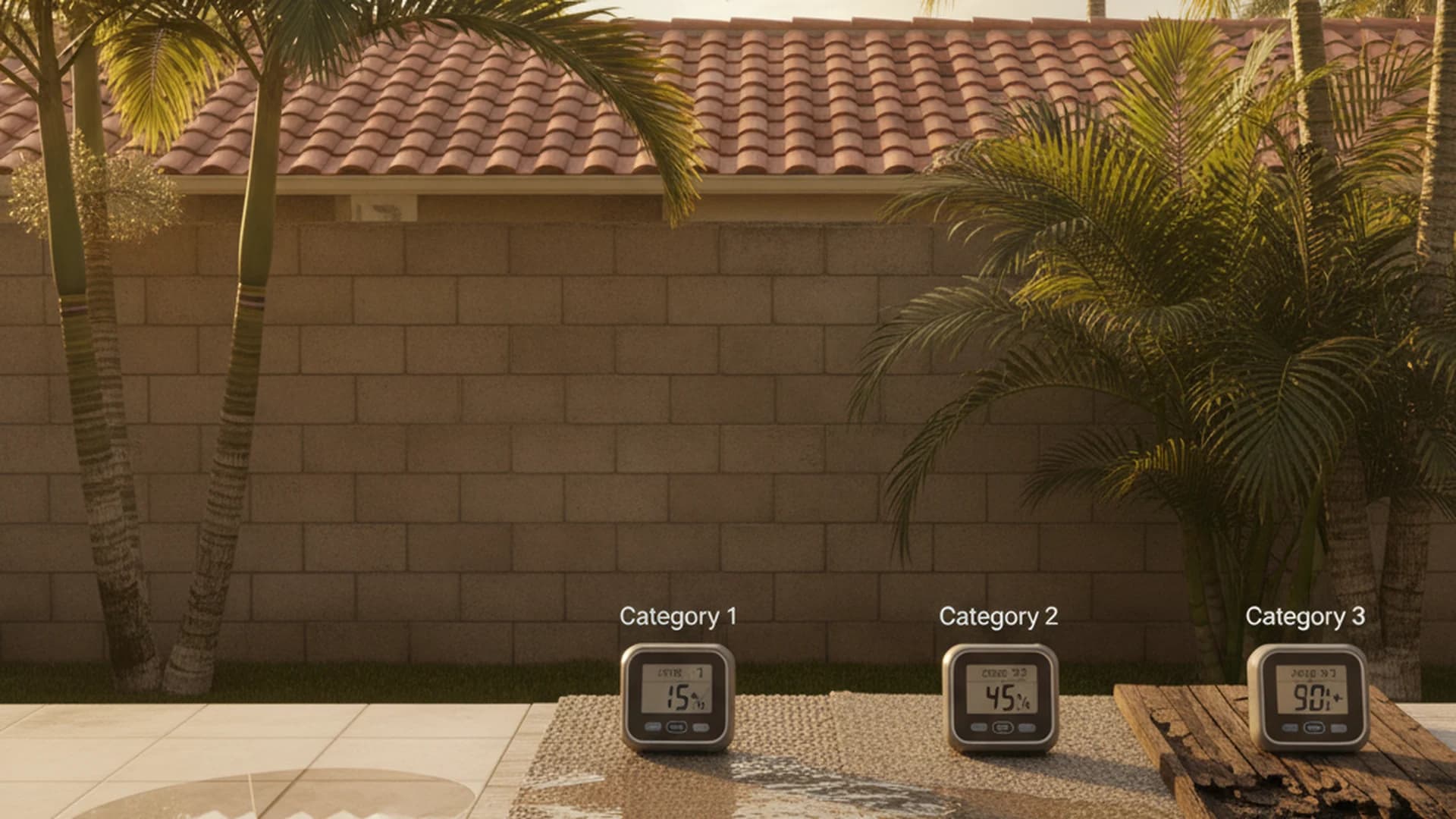
Category 1: Clean water
Water from a sanitary source: broken supply line, overflowing sink, rain from a wind-created opening before it contaminates.
Remediation: Dry-out; most materials can be saved with proper drying. Timeline: Minimal; 3-5 days typical drying. Carrier scope issue: Usually unproblematic unless the water sat long enough to degrade.
Category 2: Grey water
Water with significant contamination: dishwasher discharge, washing machine, toilet overflow without feces, degraded Cat 1 water that sat more than 48 hours.
Remediation: Antimicrobial treatment; some materials must be removed (contaminated drywall, carpet pad, porous contents). Timeline: 5-10 days. Carrier scope issue: Carriers often under-scope tear-out. Industrial hygienist documentation closes the gap.
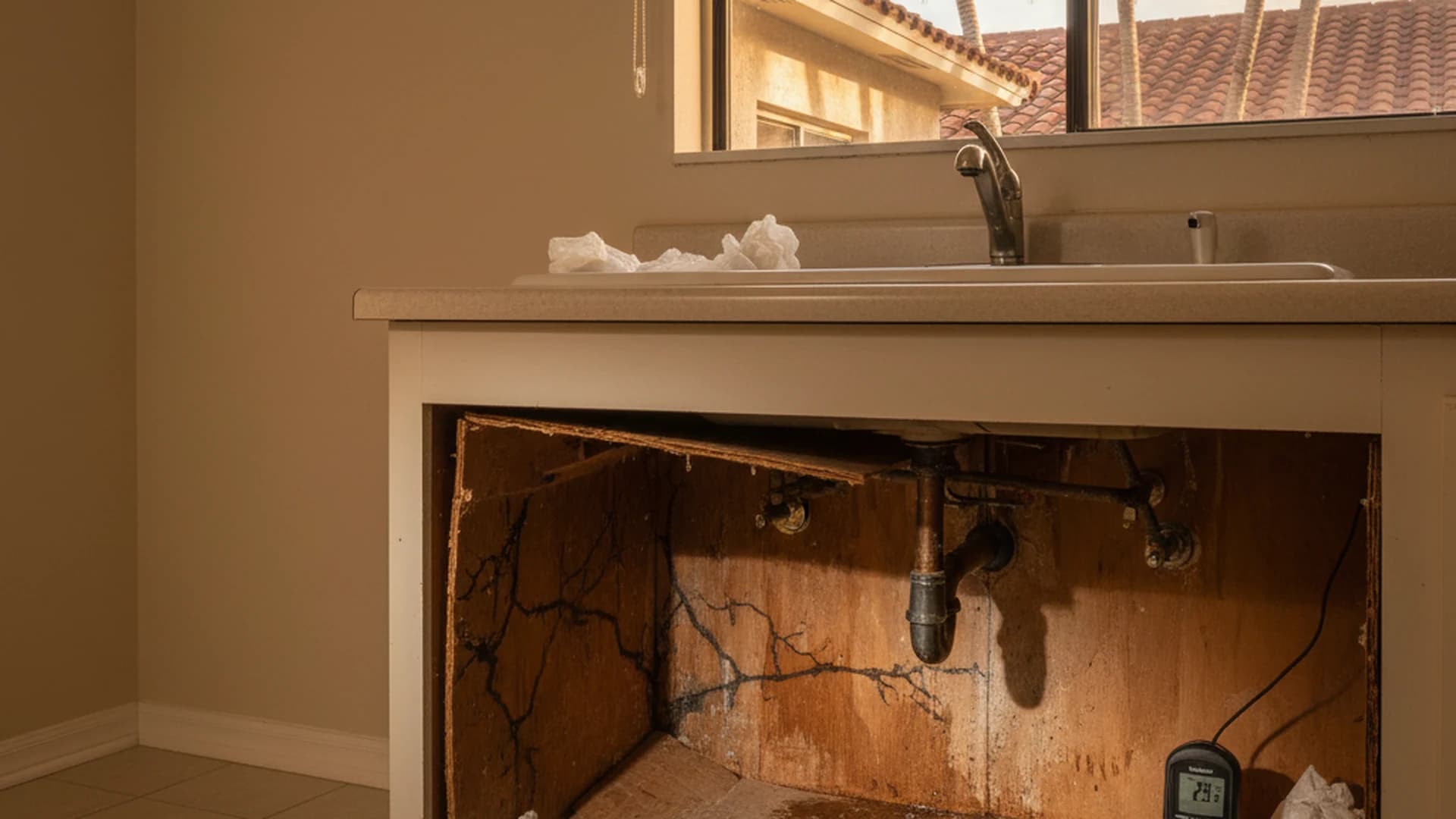
Category 3: Black water
Grossly contaminated: sewage backup, flood water, toilet overflow with feces, degraded Cat 2 water that sat too long, water from outside the structure that carries contamination.
Remediation: Extensive tear-out; porous materials removed to studs. PPE required. Clearance testing after remediation. Timeline: 2-4 weeks. Carrier scope issue: Cat 3 claims are heavily scope-reduced because tear-out costs are significant. Document the source carefully.
Why categorization matters for the claim
- Scope of tear-out: Cat 3 requires full removal of porous materials; Cat 1 doesn't
- Antimicrobial treatment cost: doubles or triples moving up categories
- Clearance testing: required on Cat 3, often on Cat 2, rare on Cat 1
- Contents replacement: Cat 3 typically requires content disposal; Cat 1 allows cleaning
- Period of restoration: longer categories mean longer ALE
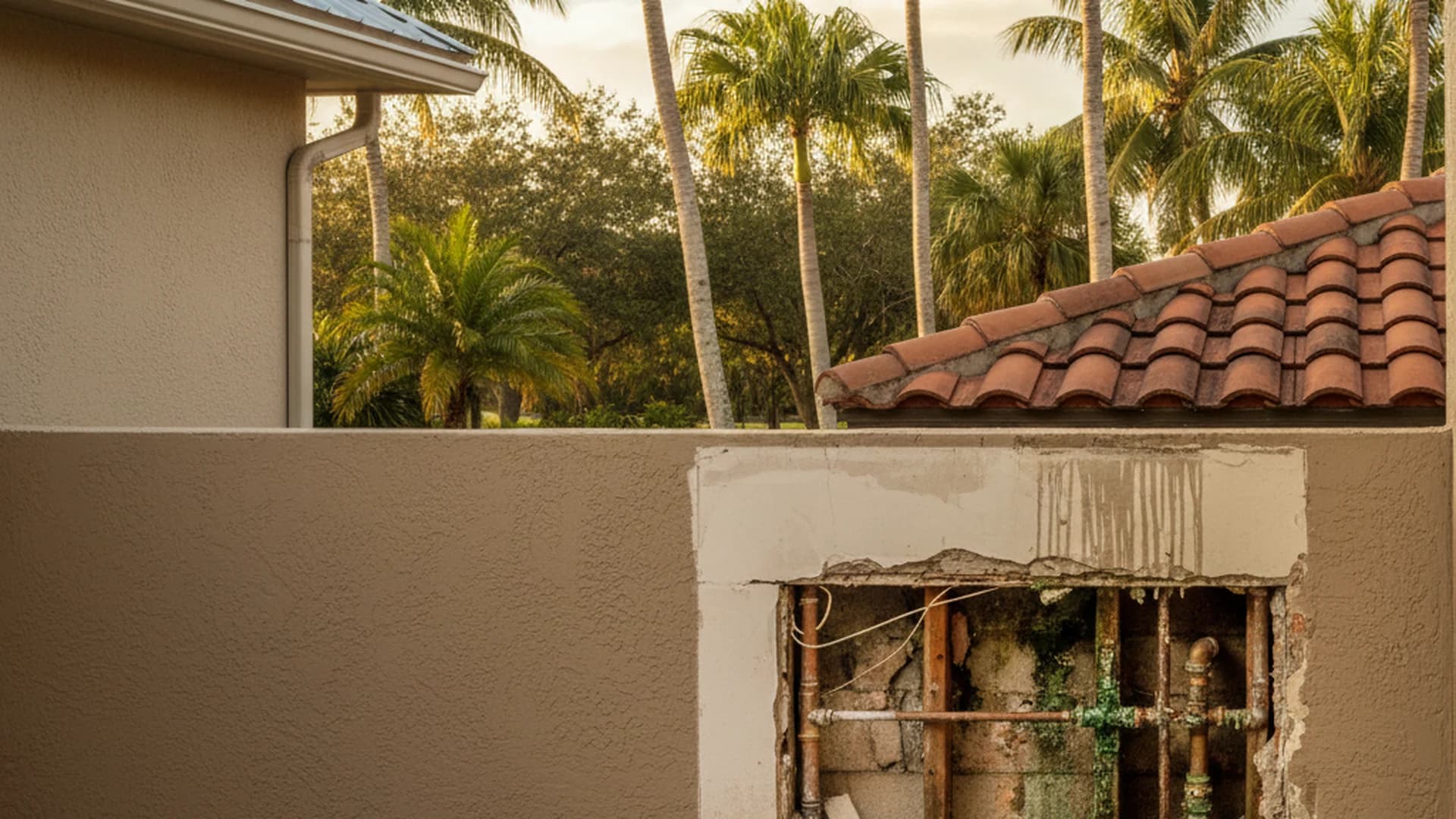
How carriers push back
- Reclassify Cat 2 as Cat 1 to reduce tear-out scope
- Question the time-in-place (Cat 1 becomes Cat 2 after 48 hours)
- Challenge IICRC protocols as "not required by the policy"
- Omit antimicrobial treatment from the estimate
How Ocean Point documents category
- IICRC-certified remediation contractor statement of category
- Moisture mapping with timestamps
- Photo evidence of contamination source
- Industrial hygienist report on materials
- Clearance testing results post-remediation