
By Anthony Barber · FL DFS #W101847 · Reviewed: · 1 min read
Substrate types in Florida homes
Slab-on-grade
- Concrete with moisture barrier below
- Water damage = moisture retained in concrete; carpet/wood flooring above affected
- Drying concrete is slow; often 30+ days
Wood subfloor (OSB or plywood)
- Elevated homes or second floor
- Water swells and delaminates OSB; plywood more resilient
- Swollen OSB typically must be replaced
- Joist moisture readings critical
Concrete board over framing
- Uncommon but appears in bathrooms
- Usually resilient to water
Damage indicators
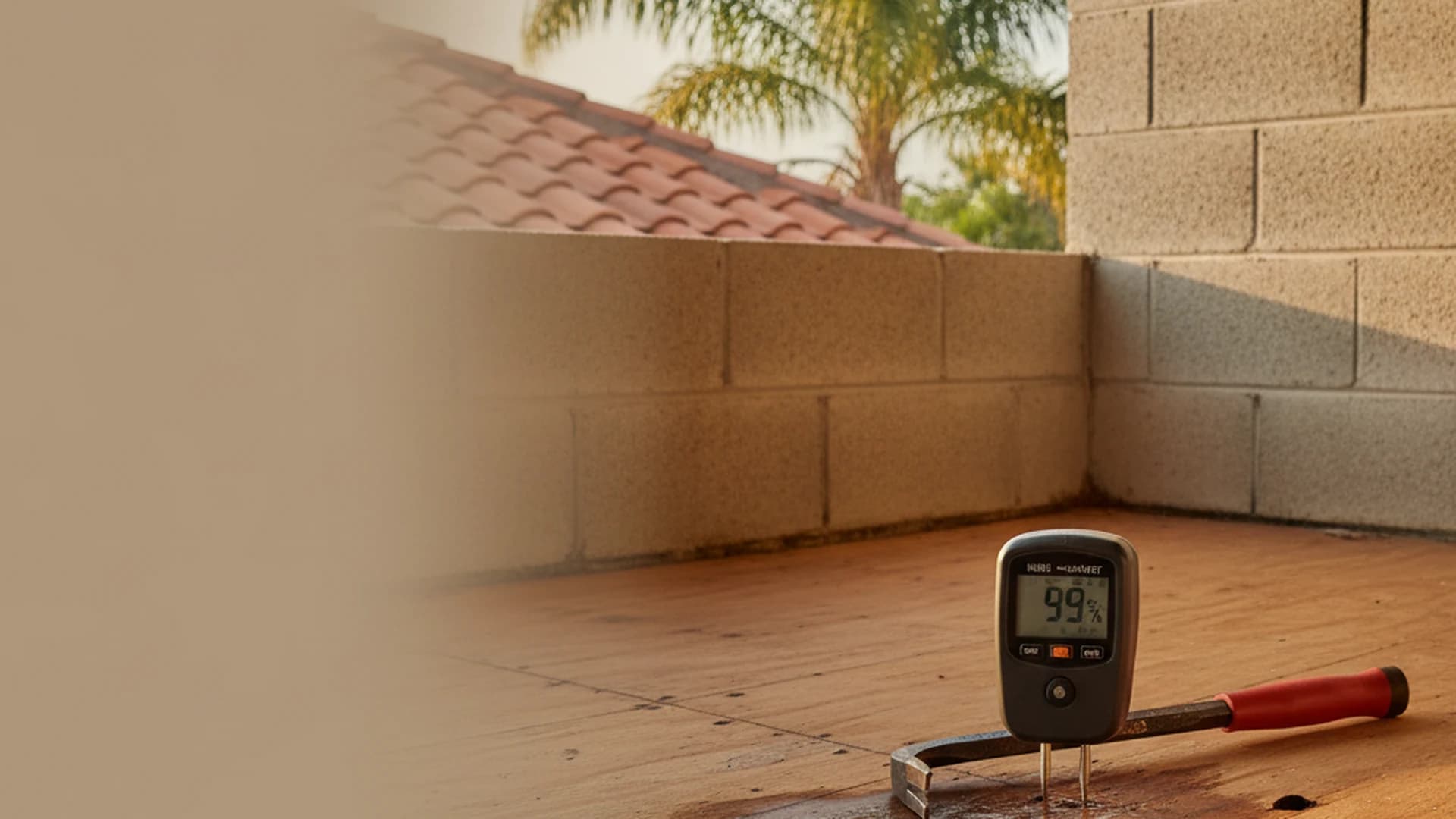
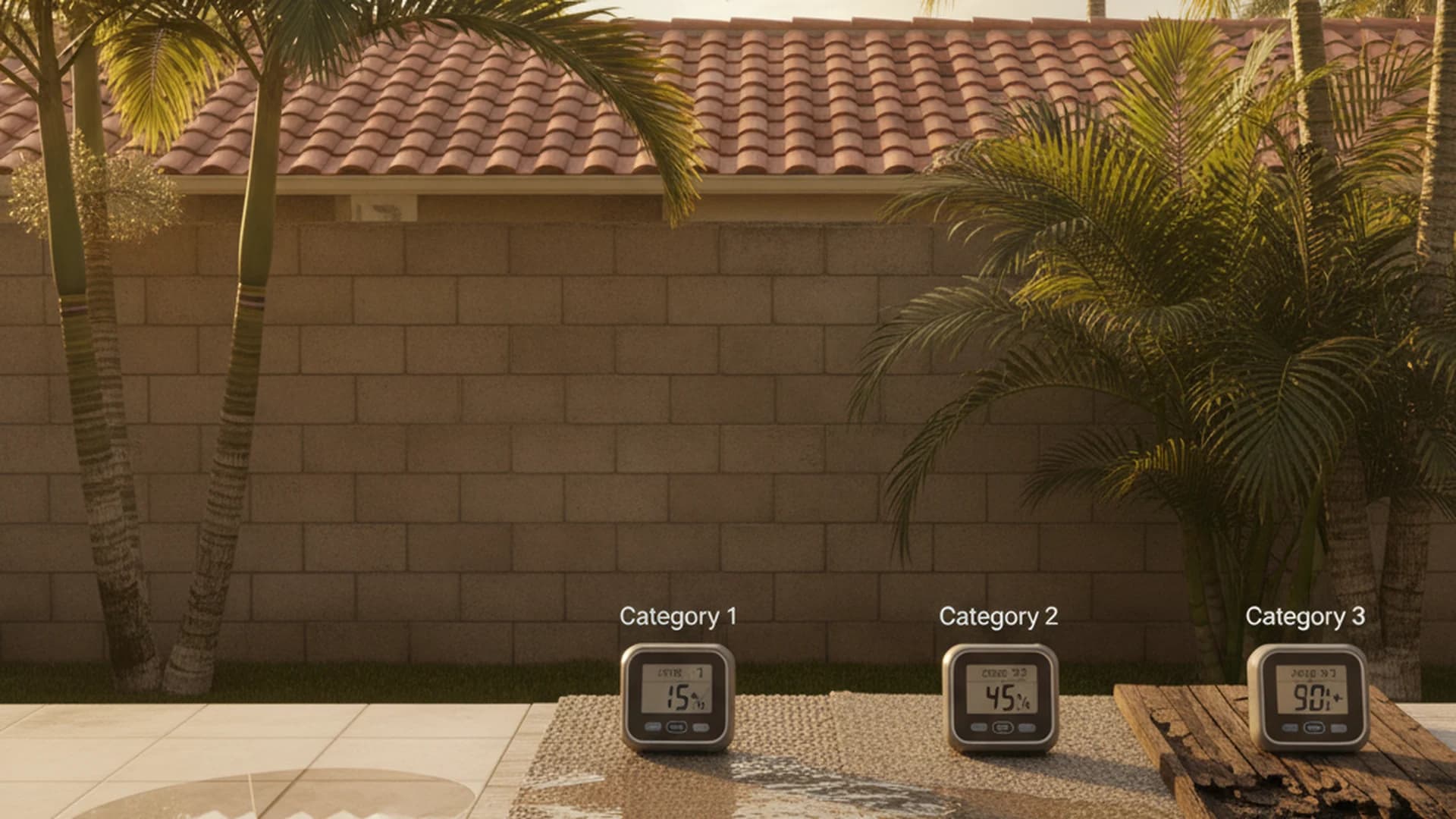
- Elevated moisture readings (>15% on wood substrates)
- Visible warping or swelling in OSB
- Delamination: layers separating
- Soft spots indicating structural compromise
- Staining on underside (when accessible from crawl space or basement)
- Joist or beam moisture adjacent to substrate
Access and documentation
- Remove small sections of finished flooring for moisture readings
- Crawl-space access where available
- Thermal imaging from below on elevated subfloors
- Joist inspection after demo
- Document pre-demo and post-demo
Repair scope options
Cut-and-patch
- Replace damaged section only
- Requires matching substrate thickness
- Seams can telegraph through finished flooring
Full substrate replacement
- Remove finished flooring
- Replace substrate sheet-by-sheet
- Structurally clean start
- Required when damage is widespread
Joist repair or replacement
- Rare but needed when moisture has compromised framing
- Engineer assessment required
- Code-compliant replacement per Florida Building Code
Carrier scope reductions
- "Just replace the visible swelled section"
- "Dry in place: no replacement needed"
- "Joist moisture will dry naturally: no intervention"
- "Cut-and-patch is adequate"
Document structural compromise to force scope inclusion.