
By Anthony Barber · FL DFS #W101847 · Reviewed: · 1 min read
What's covered
- Water damage to structure and contents
- Drying and mitigation
- Tear-out required to address water damage
- Replacement of damaged materials
- Mold secondary to the water loss (subject to sublimit)
What's typically excluded
- The pipe itself: "the source of the leak"
- Labor to repair the pipe
- Parts and fittings
- Re-pressurization and testing
The gray area: access
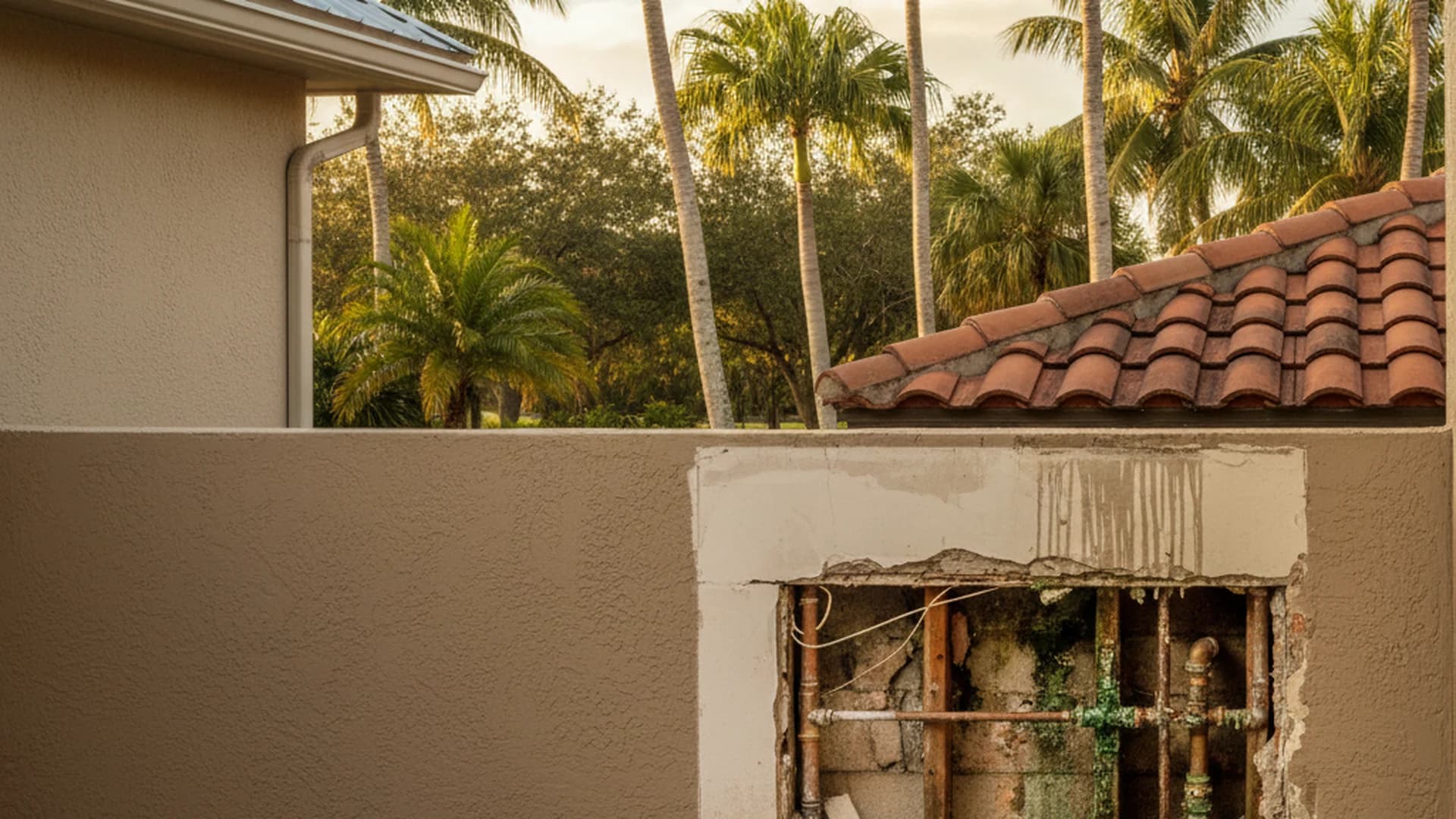
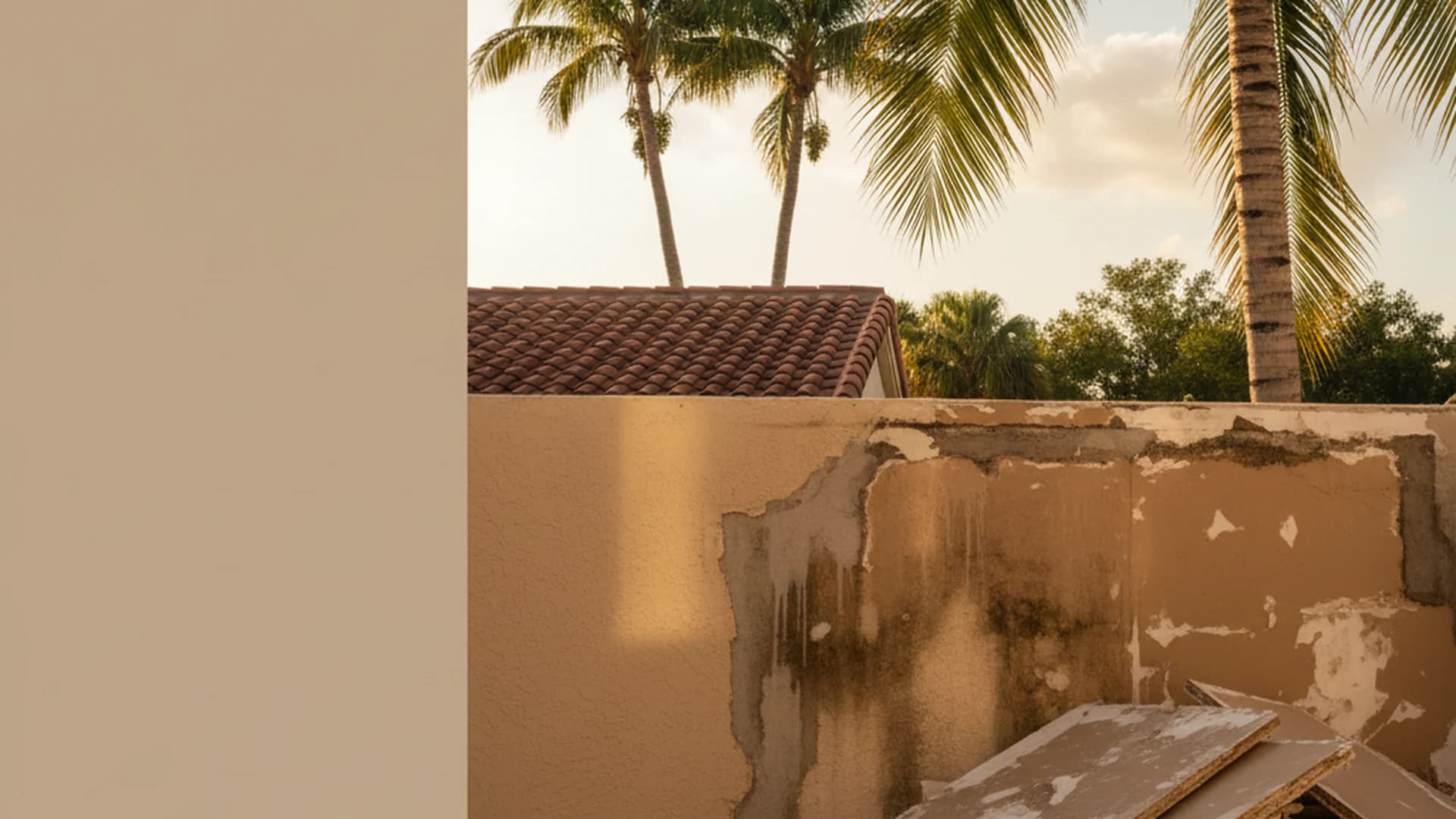
To repair the pipe, drywall, flooring, or cabinetry must come out. The tear-out and replacement of those materials is covered: the pipe repair itself is not.
Carriers sometimes try to:
- Exclude the tear-out as "necessary for the pipe repair, not the water damage"
- Limit the opened cavity to the minimum for pipe access
- Deny matching-area replacement of removed materials
How to document access coverage
- Scope the water damage separately from the plumbing repair
- Photograph the extent of moisture-affected materials (beyond the pipe location)
- Get the plumber to document the pipe failure location and repair footprint
- Calculate tear-out area based on water migration, not just pipe access
- Invoke matching statute for continuous-area replacement where discontinued materials are removed
Case example: slab leak
- Sub-slab copper pipe fails
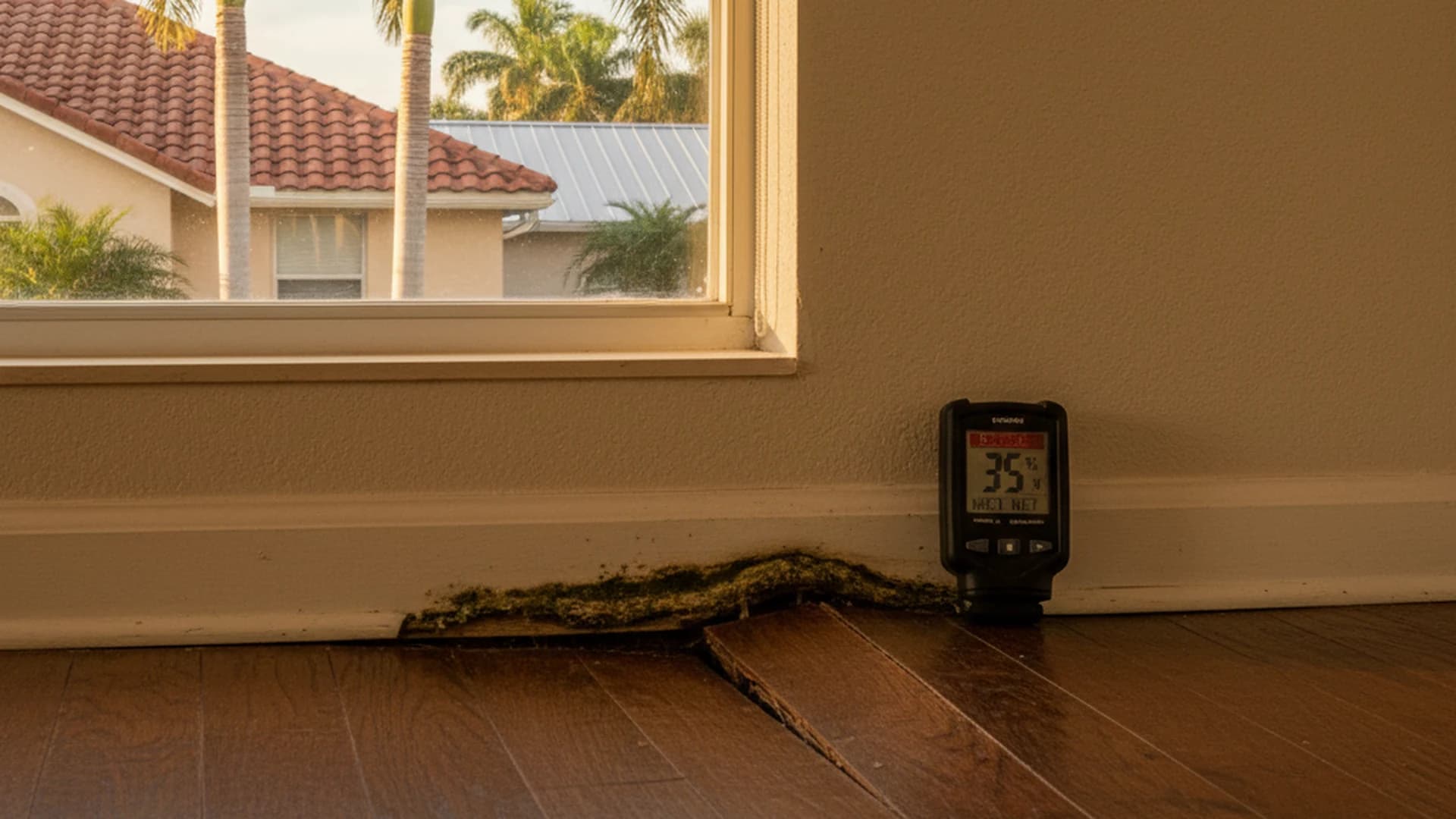
- Water migrates through slab, damages flooring across 400 sqft
- Pipe access requires 4 sqft of flooring removal
- Covered tear-out: 400 sqft (water damage scope) + access allowance
- Covered pipe repair: none (excluded)
- Covered matching: continuous-area flooring if discontinued product
The policy-language lever
Policies with broader "ensuing loss" language cover more. Policies with narrow anti-concurrent-causation clauses cover less. Review the specific policy.