
By Eli Goins · FL DFS #P159790 · Reviewed: · 1 min read
The coverage trigger
Standard HO-3 language typically covers:
Two elements must be proved: (1) wind created the opening; (2) water entered through that opening.
The carrier's playbook
- Pre-existing damage. Argue the opening existed before the event.
- Gradual deterioration. Argue the opening was wear-and-tear, not storm-created.
- No opening found. Argue the roof was intact; water came from "wind-driven rain" without an opening (excluded).
- Wear-and-tear exclusion. Argue the roof's age made it susceptible.
Winning documentation
Wind-created opening
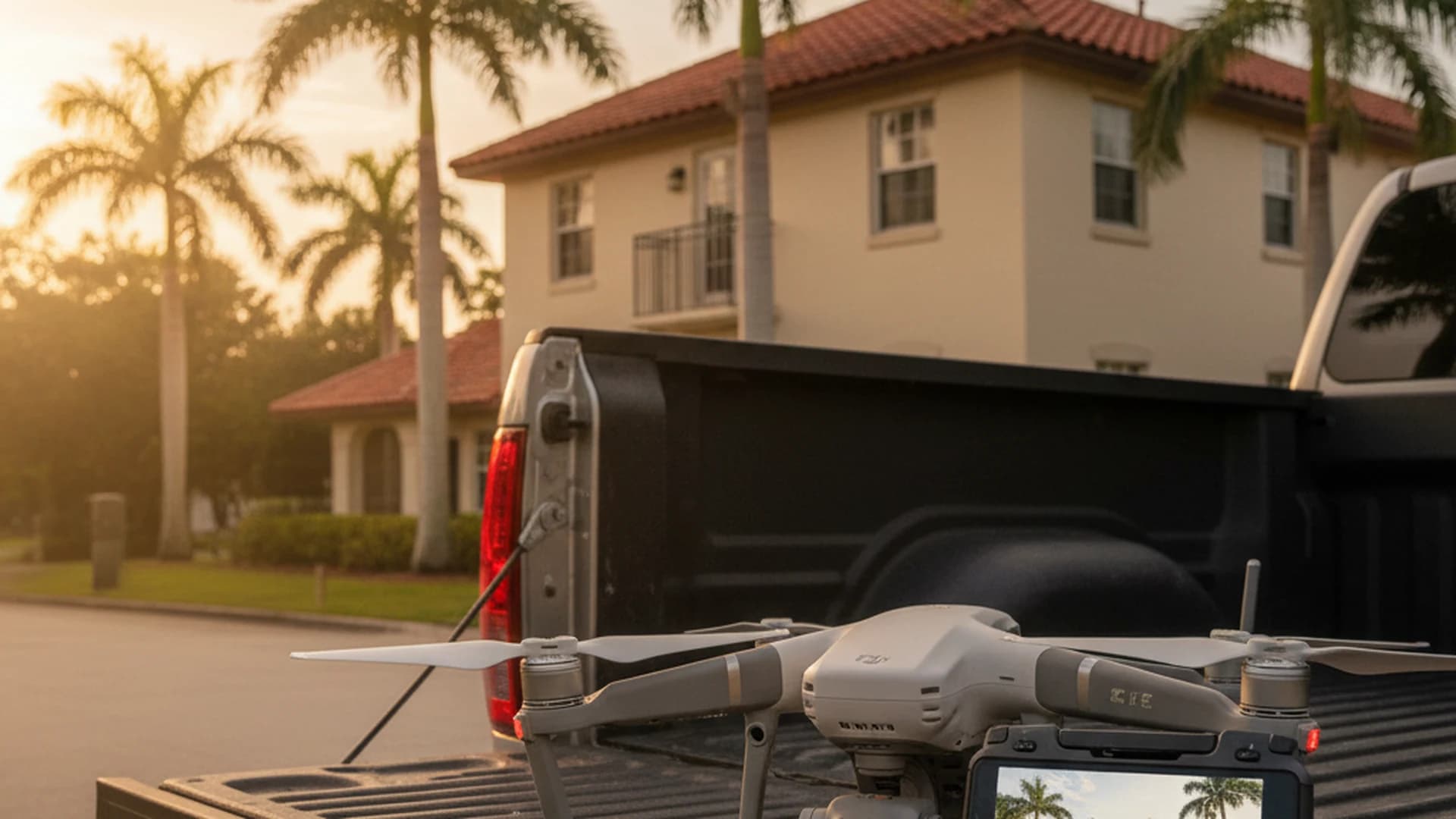
- Drone photography of the damaged area showing wind pattern
- NOAA data showing wind speed / direction correlation
- Debris strike evidence
- Uniform uplift patterns (mechanical, not degradation)
- Specific shingle, tile, or flashing failure points
Water entry through the opening
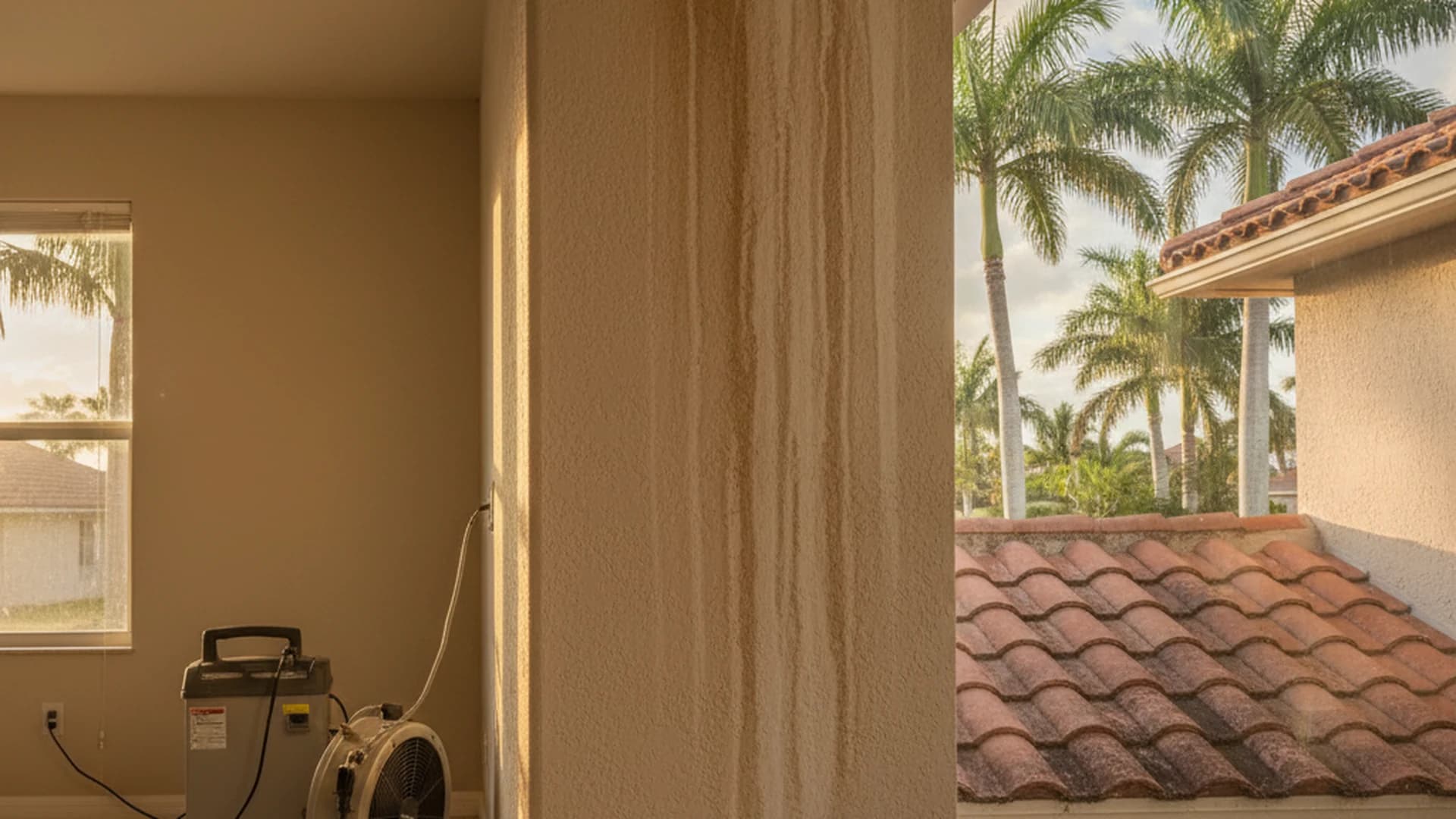
- Interior staining patterns tracking from the opening
- Moisture readings peaking at the entry point
- Attic insulation documentation (wet at the specific entry)
- Temporal correlation (damage appeared during/after the event)
No prior condition
- Underwriting inspection photos (pre-loss)
- Recent roof certification or replacement
- Prior carrier records
- Neighbor testimony
How Ocean Point handles
Drone scope documentation, NOAA correlation, and independent roofing / engineering report when carrier has denied. Wind-driven rain denials reverse regularly when the opening-to-damage chain is documented.