
By Eli Goins · FL DFS #P159790 · Reviewed: · 1 min read
What emergency repairs cover
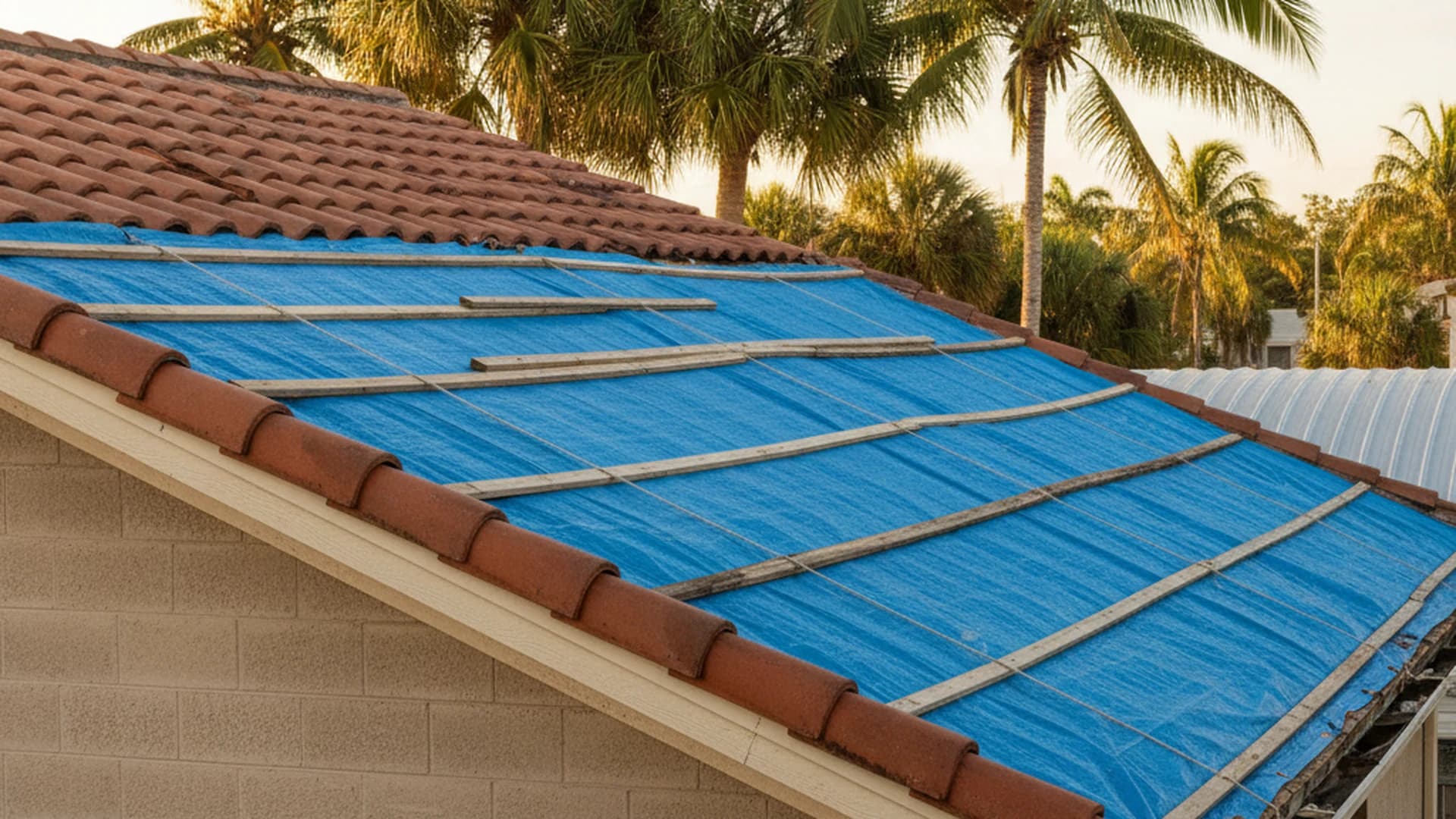
- Tarping damaged roof
- Board-up broken windows and doors
- Water extraction from interior
- Temporary drying equipment setup
- Sandbag or barrier installation
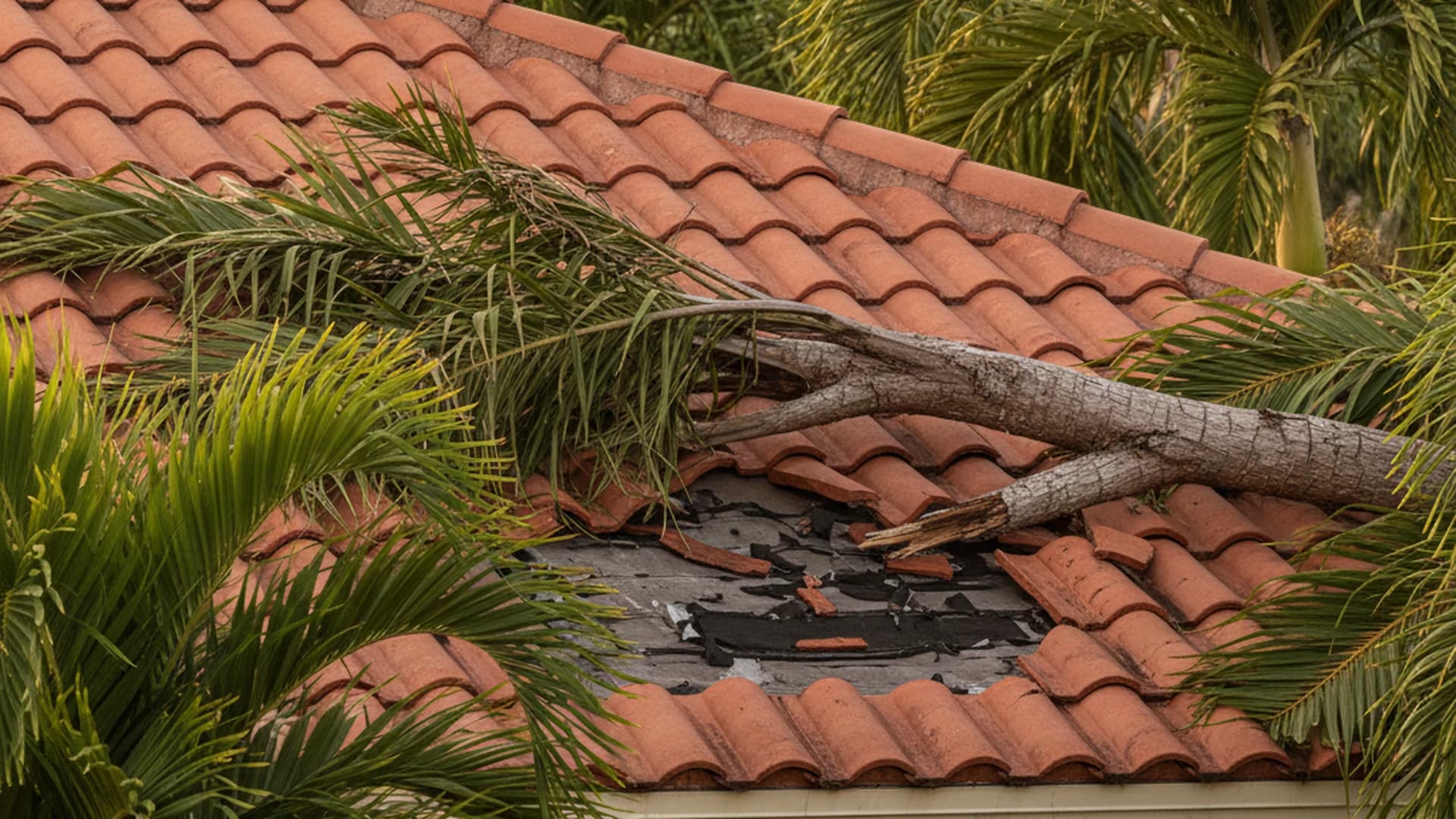
- Tree removal blocking access
- Utility securing (gas, electric, water)
- Temporary fencing for security
- Pack-out and storage of damaged contents
Policy basis
HO-3 policies typically include language requiring:
When you do this, the reasonable cost is reimbursable.
Common carrier disputes
Scope disputes
- "The tarp was larger than necessary"
- "Board-up could have been partial"
- "Drying equipment was excessive"
Pricing disputes
- "Your contractor overcharged"
- "Market rates don't support this invoice"
- "Pay Xactimate pricing only"
Necessity disputes
- "No need to tarp: damage was minor"
- "Water would have dried naturally"
- "Contents didn't need storage"
Timing disputes
- "You waited too long to mitigate"
- "You did more than was reasonable"
Winning documentation
- Photos before and after emergency repair
- Invoices with detailed scope (not just totals)
- Contractor qualifications (licensed, insured)
- Contemporary written communication with carrier (notice of what you did)
- Market-rate evidence for your area
- Necessity documentation: why each action was reasonable

When contractors overprice
Emergency response contractors sometimes charge heavily: $500 tarps, $10K board-ups. Carriers push back:
- Get multiple bids if time allows
- Reasonable market rate, not highest available
- Keep itemized invoices
- Push back on contractor overcharges before they're a carrier dispute
Ocean Point's role
We review emergency invoices pre-submission, negotiate with contractors where over-priced, and defend reasonable costs in claim handling.