
By Eli Goins · FL DFS #P159790 · Reviewed: · 1 min read
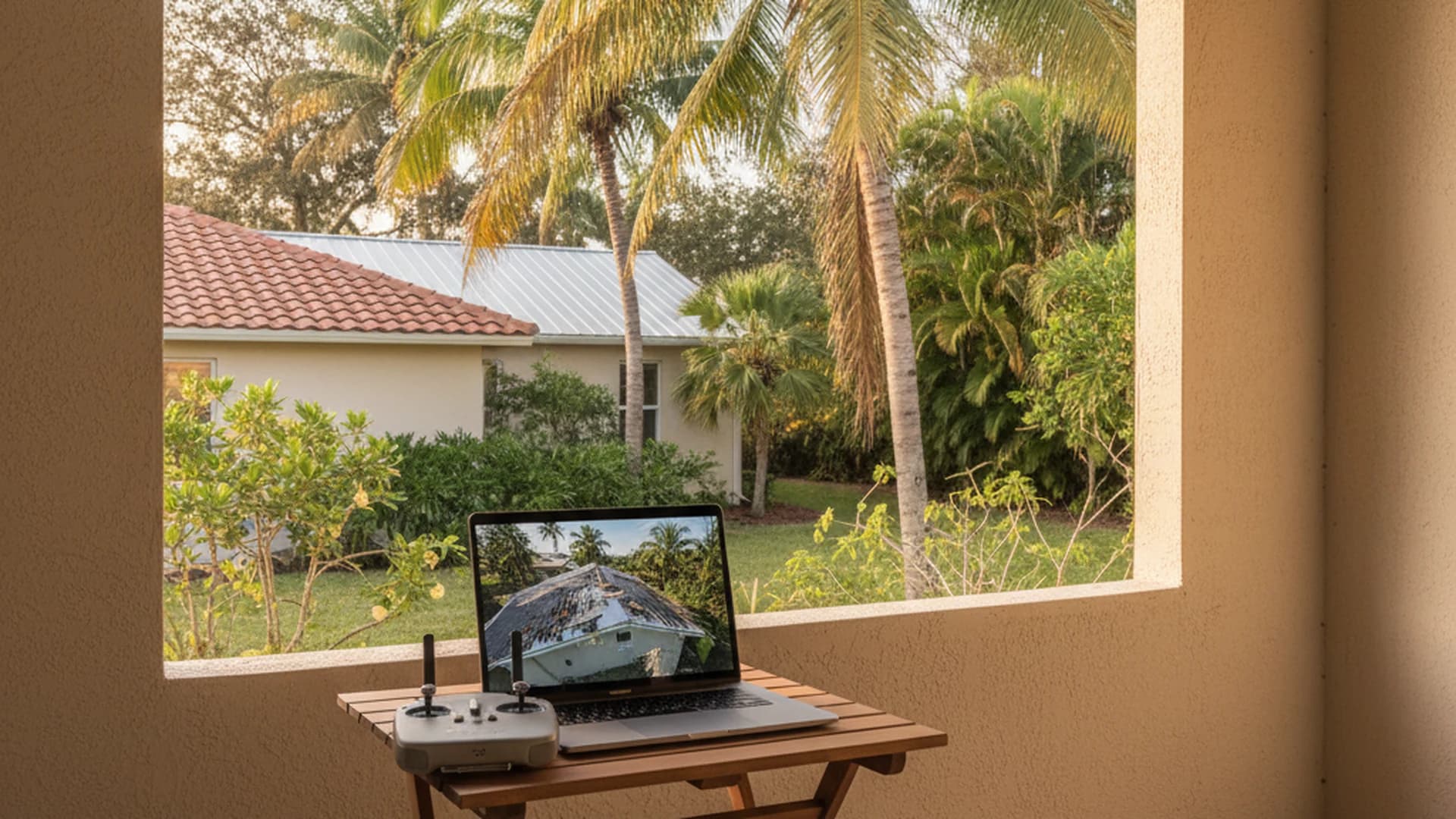
What aerial inspections capture
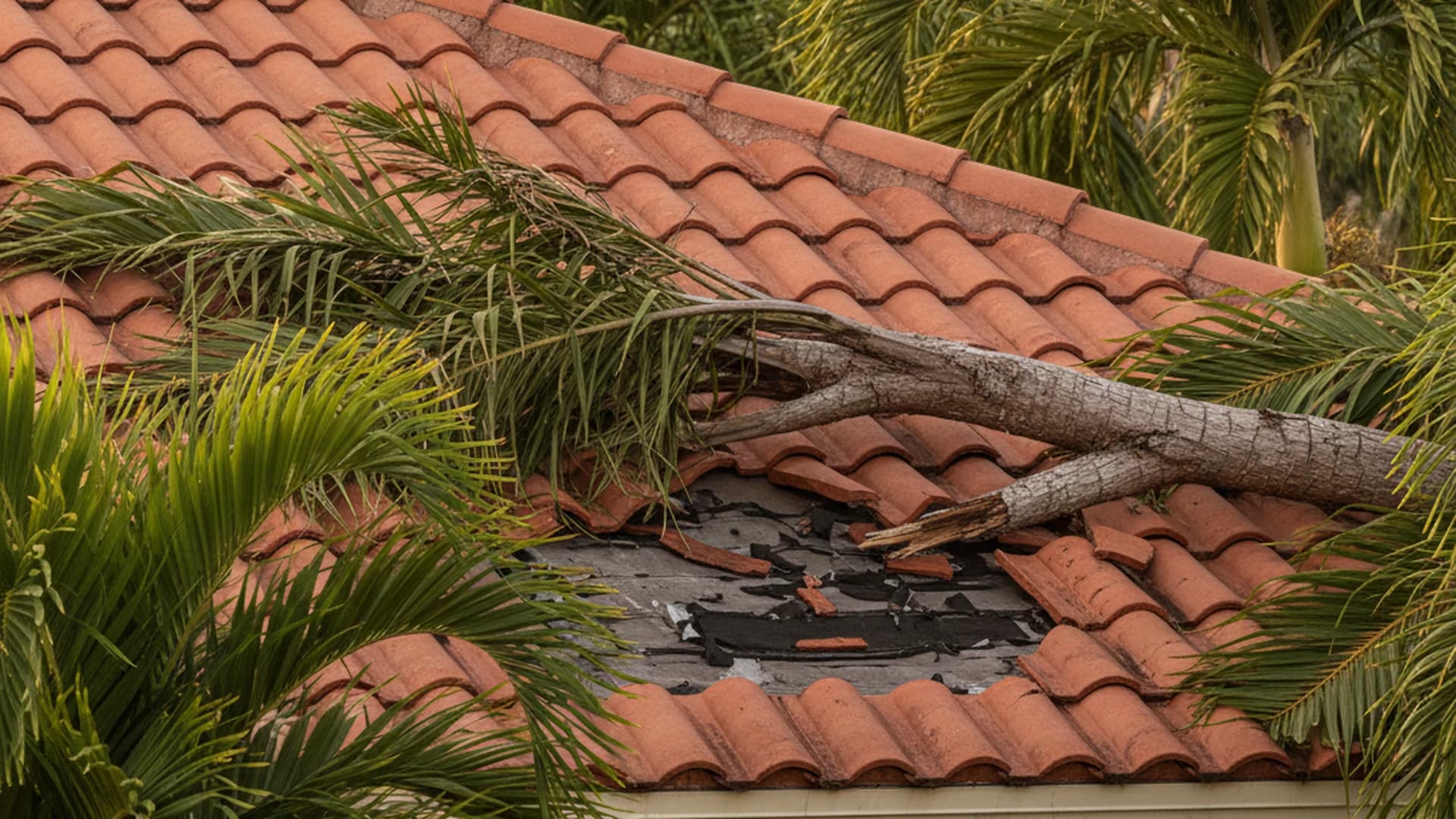
- Top-surface damage: missing shingles, tile displacement, debris strike
- Large-scale patterns: hail, wind uplift, debris fields
- Property context: surrounding trees, structures, pools
- Pre/post comparison: when services like EagleView or CoreLogic have prior imagery
What aerial inspections miss
- Underlayment condition
- Decking moisture or delamination
- Ridge cap and flashing integrity
- Soffit and fascia damage
- Attic water intrusion
- Interior ceiling damage
- Fastener condition
- Granule loss subtleties
- Small-scale hail bruising
- Tile mortar condition
When aerial is adequate
- Recent severe hail with clear top-surface damage
- Full-roof loss obvious from above
- Pre/post comparison showing uplift
- Small claim where detailed scope is settled
When physical inspection is necessary
- Any claim where decking is at issue
- Any claim with interior damage
- Hail bruising (vs. mechanical damage)
- Wind damage with questioned causation
- Matching statute cases (detailed material ID needed)
- Code-upgrade cases (compliance assessment)
Policyholder rights
You can request physical inspection at any time. The policy doesn't restrict the carrier to aerial: the carrier may prefer it for cost reasons, but you have the right to insist on a walk-the-roof inspection.
How to request physical inspection
- Written request citing specific issues (decking, interior damage, hail bruising)
- Offer roof access coordination
- Cite the policy's cooperation clause (you'll make the property available)
- Escalate if the carrier refuses (CRN / DFS complaint)
Drone inspection accuracy issues
Drones used by carriers may have:
- Resolution limits (compression, angle)
- Weather-dependent image quality
- Missed scope in shadow zones
- No ability to feel or flex materials
- No attic access