
By Eli Goins · FL DFS #P159790 · Reviewed: · 1 min read
Who CAT adjusters are
- Often independent contractors through national CAT firms (Eberl, CNC Resources, Pilot, etc.)
- Licensed in Florida for the duration of the deployment
- Paid per claim, incentivizing speed
- May lack local knowledge of Florida code, materials, and pricing
- Often work extremely long hours during peak
How CAT inspections differ
Speed over depth
- Inspection times are shorter (30 minutes vs. 60-90)
- Documentation is faster and less detailed
- Often ground-level or drone-only for roofs
- Contents assessments abbreviated
Standardized scope
- CAT teams use templated scope sheets
- Pricing uses regional averages, often not current
- Less time for nuance (matching statute, code upgrades)
Authority limits
- CAT adjusters often have modest authority ($25K or $50K)
- Larger claims get reviewed by desk supervisors later
- This creates two-stage processing
What this means for policyholders
- First inspection may miss scope. Expect to supplement.
- Pricing may be below Florida current. Contractor quotes often exceed the CAT estimate.
- Code upgrades frequently omitted. Law-and-ordinance coverage often needs to be explicitly invoked.
- Matching rarely captured. Discontinued materials often not flagged without prompting.
- Desk adjuster re-reviews everything. Expect scope changes between CAT visit and final estimate.
How to work with a CAT adjuster
- Be present for the inspection (or have your PA present)
- Provide your own photos and scope notes
- Ask what's included in the scope before they leave
- Request the written scope within a few days
- Follow up in writing if the scope looks light
How Ocean Point handles CAT inspections
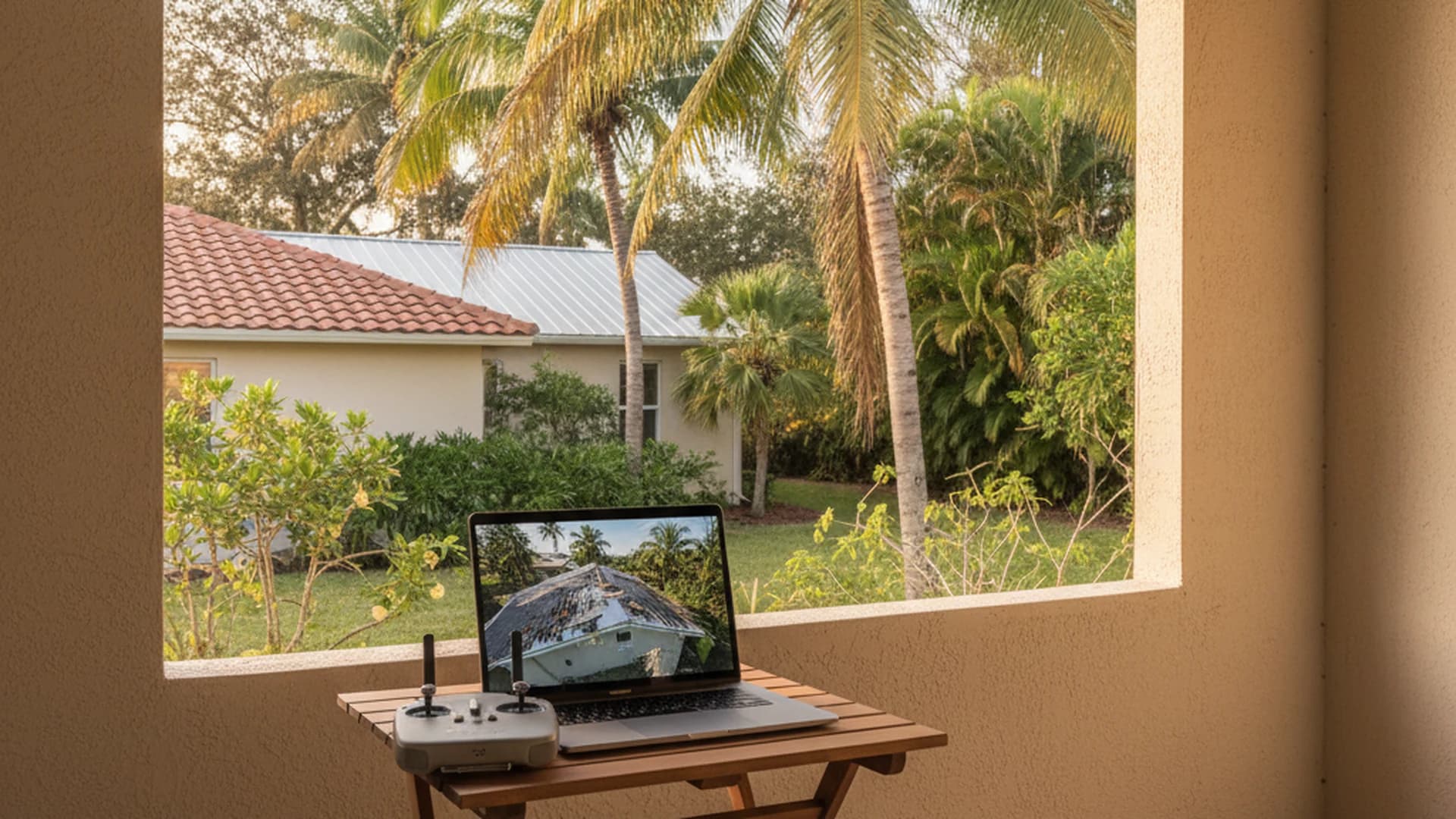
We attend CAT inspections when retained, ensure the adjuster sees all affected areas, provide our own drone/measurement data, and submit written supplements immediately when scope is insufficient.