
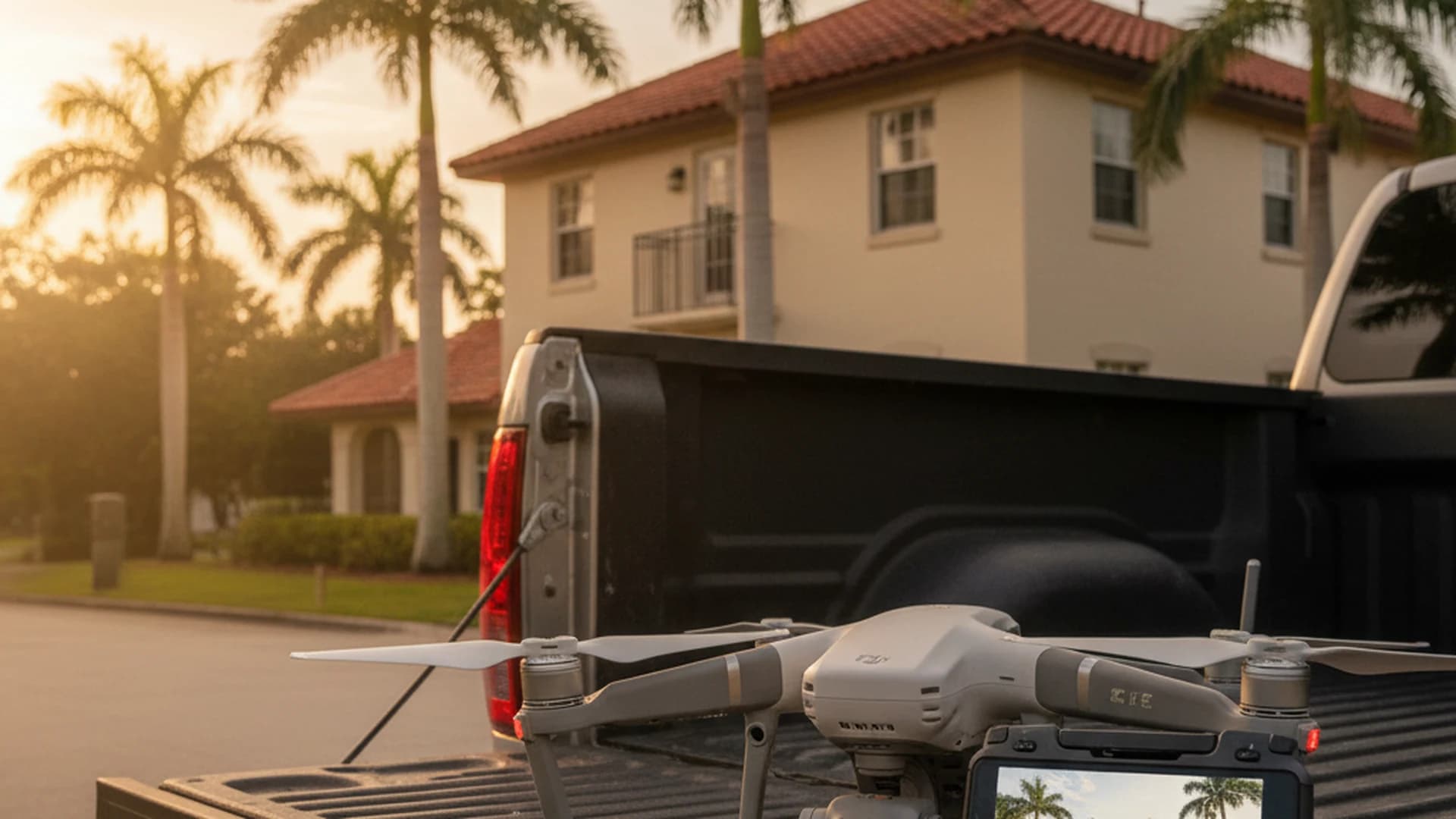
By Eli Goins · FL DFS #P159790 · Reviewed: · 1 min read
Technical limitations of drone inspection
Resolution and compression
- Even 4K video often compresses in the feed
- Fine detail (hail bruising, small puncture, granule loss) may not be visible
- Still photos are better but usually limited in number
Angle and parallax
- Oblique angles distort measurements
- Some features look different from different angles
- Wind during flight can tilt the frame
Lighting conditions
- Morning shadows hide damage on east-facing slopes
- Noon overexposure can wash out detail
- Overcast produces flat lighting that misses texture
Material identification
- Tile vs. composite tile hard to distinguish from above
- Underlayment type not visible
- Flashing material not readily identifiable
Structural assessment
- Cannot feel for soft spots
- Cannot check fastener tension
- Cannot assess ridge cap integrity beyond visual
- Cannot access attic
Where scope gets lost
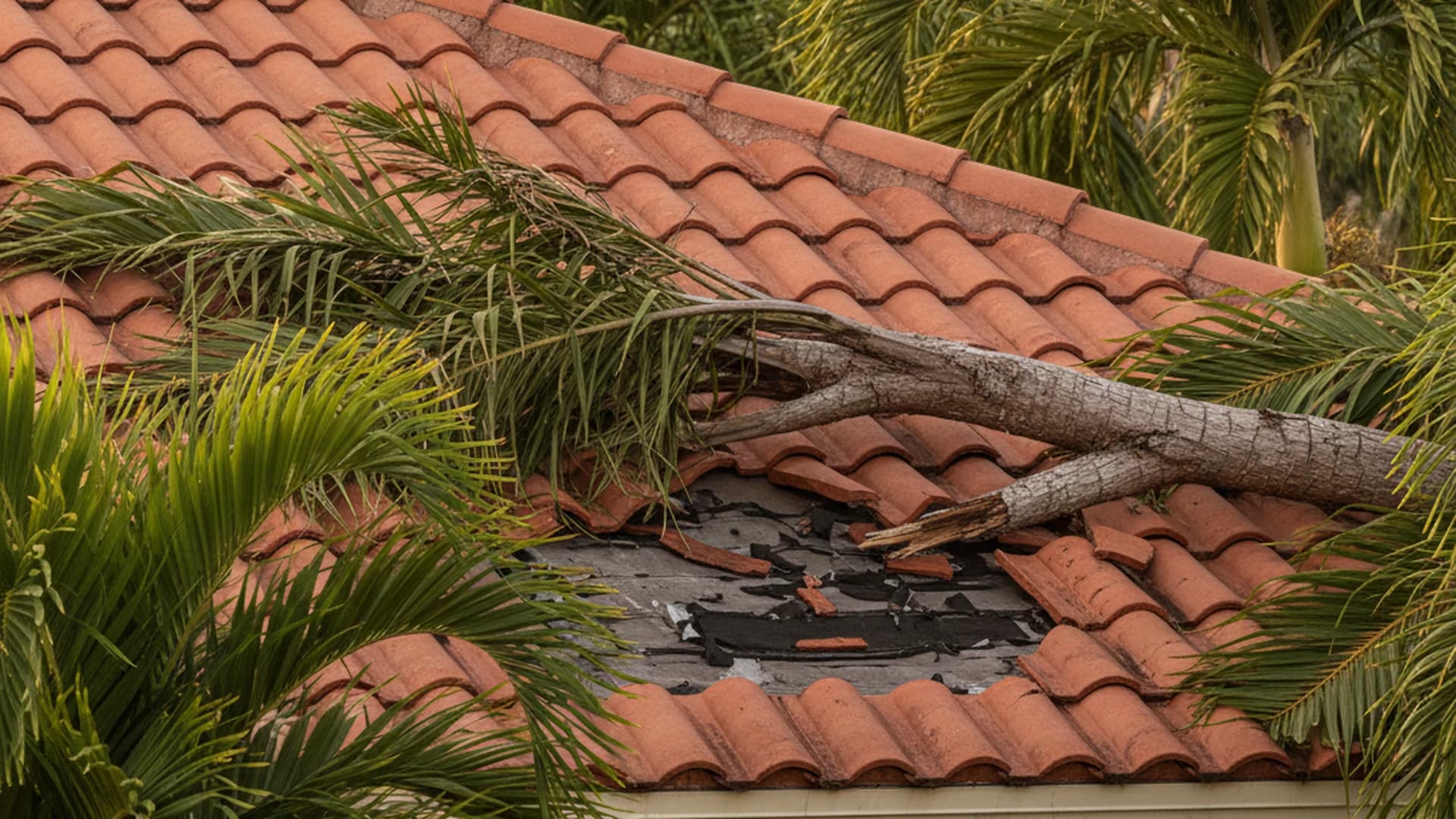
- Hail bruising on asphalt shingles (requires tactile inspection)
- Tile mortar bed failure (only visible on walk)
- Underlayment tears below shingles
- Decking delamination (requires tear-off)
- Ridge vent damage (requires close inspection)
- Flashing at chimneys, penetrations (angle-dependent)
How to challenge drone-only findings
- Request physical inspection for the missed-scope areas
- Provide your own physical inspection report
- Submit photo evidence of ground-level or tactile findings
- Get independent roofing contractor or engineer report
- Cite specific drone limitations (resolution, angle, lighting)
Practical tip
If the carrier inspection was drone-only and the estimate seems low, physical inspection nearly always reveals additional scope. Budget the time and cost of an independent physical assessment.