Skip to content
Ocean Point Claims Company
Ocean Point Claims:request for information delay cycles

Request for Information Delay Cycles

Request-for-information (RFI) cycles are a common delay tactic. Each RFI pauses the claim while the policyholder collects; once collected, the carrier takes more time to review; then issues another RFI.
Reviewed by Eli Goins, FL DFS License #P159790 · Last updated
By Eli Goins · FL DFS #P159790 · Reviewed: · 1 min read

Short answer: FAPIA research and the 2010 Florida OPPAGA study have historically shown policyholders with public adjuster representation receive materially higher settlements, particularly after hurricanes (individual results vary). A request-for-information cycle is a delay tactic: the carrier asks for documents, reviews slowly, then asks for more, adding two to four weeks each round. Short-circuit it by submitting comprehensive documentation upfront and responding completely, and note that Fla. Stat. 627.70131 deadlines run regardless of the request pattern.

How RFI cycles unfold

  1. Carrier requests specific documents/information
  2. Policyholder gathers and submits
  3. Carrier reviews (taking days or weeks)
  4. Carrier requests additional information
  5. Cycle repeats

Each cycle can add 2-4 weeks to claim resolution.


Common RFI categories

  • Proof of ownership for contents
  • Maintenance records
  • Prior claim history
  • Repair receipts
  • Permits and inspections
  • Financial documents (commercial)
  • Sworn statement / proof of loss

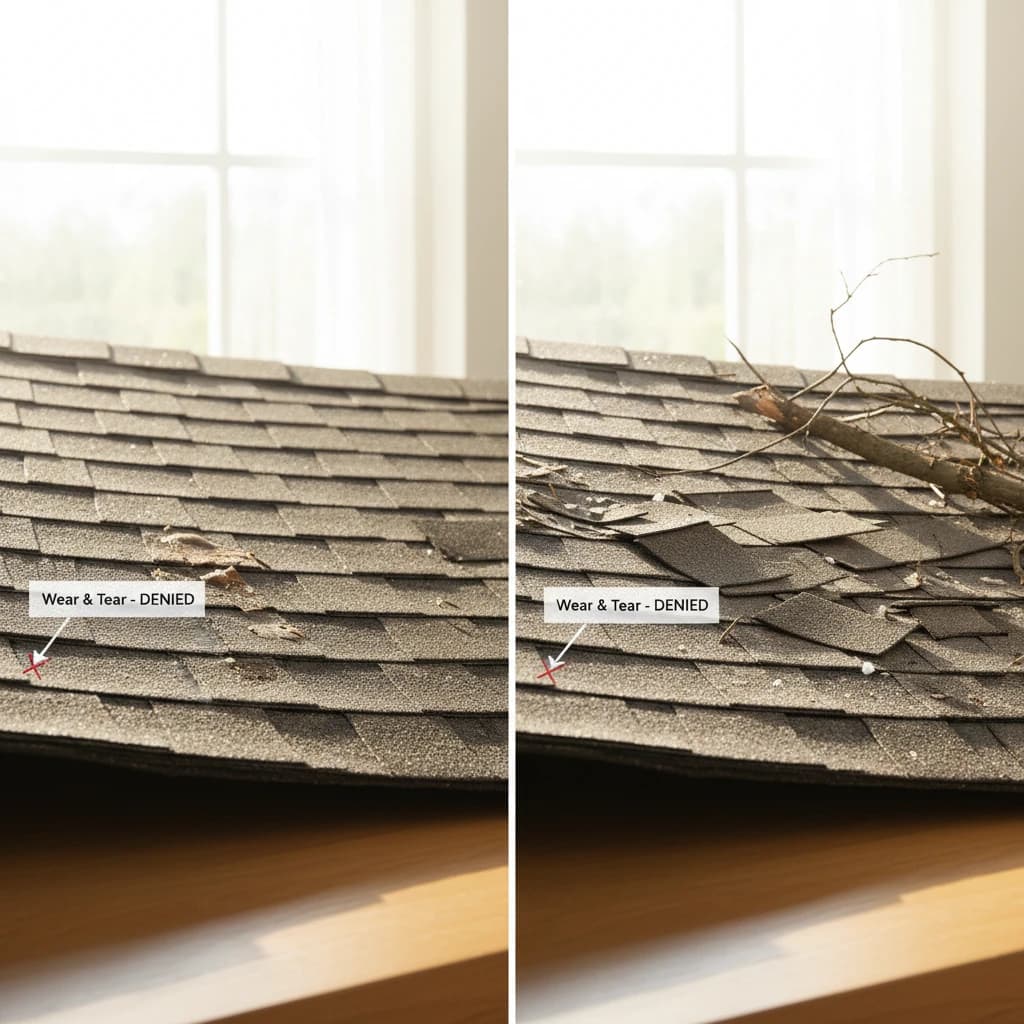
Wear and tear denial tactic

How to short-circuit

Provide comprehensive initial documentation

  • Anticipate likely requests
  • Submit thorough file upfront
  • Pre-empt common RFI categories

Respond quickly and completely

  • Don't drip-respond (triggers more cycles)
  • Submit everything requested at once
  • Acknowledge receipt expectation in writing

Push back on inappropriate RFIs

  • Requests not supported by policy language
  • Requests outside claim scope
  • Requests for documents the carrier already has

Cite statutory deadlines

  • 627.70131 deadlines run regardless of RFI pattern
  • Document pause requests and timeline

Frequently asked questions

How long can a request-for-information cycle delay my claim?
Each cycle can add two to four weeks: the carrier requests documents, you gather and submit, the carrier reviews for days or weeks, then issues another request. Repeated cycles can stall a claim for months without a denial ever being issued.
How do I stop repeated information requests?
Submit a thorough file upfront that anticipates common categories like proof of ownership, maintenance records, prior claim history, and proof of loss. Respond to each request completely at once rather than drip-responding, which tends to trigger more cycles.
Do information requests pause Florida's claim deadlines?
No. The statutory deadlines under Florida Statute 627.70131 run regardless of the request-for-information pattern. Document each pause request and the timeline so the carrier cannot use its own cycles to excuse missing those deadlines.

Related

Reviewed by Eli Goins, FL DFS License #P159790 · Last updated

Ready to talk to a licensed Florida public adjuster?

(888) 824-1306

Free claim review. No recovery, no fee. Answered 24/7.

Get a free claim review
License
FL DFS #W829547
Experience
21 years · 500+ mediations
Rating
4.9★ (86 Google reviews)
Fee
No recovery, no fee
📞 (888) 824-1306Free Claim Review