
Skip to content
Ocean Point Claims Company
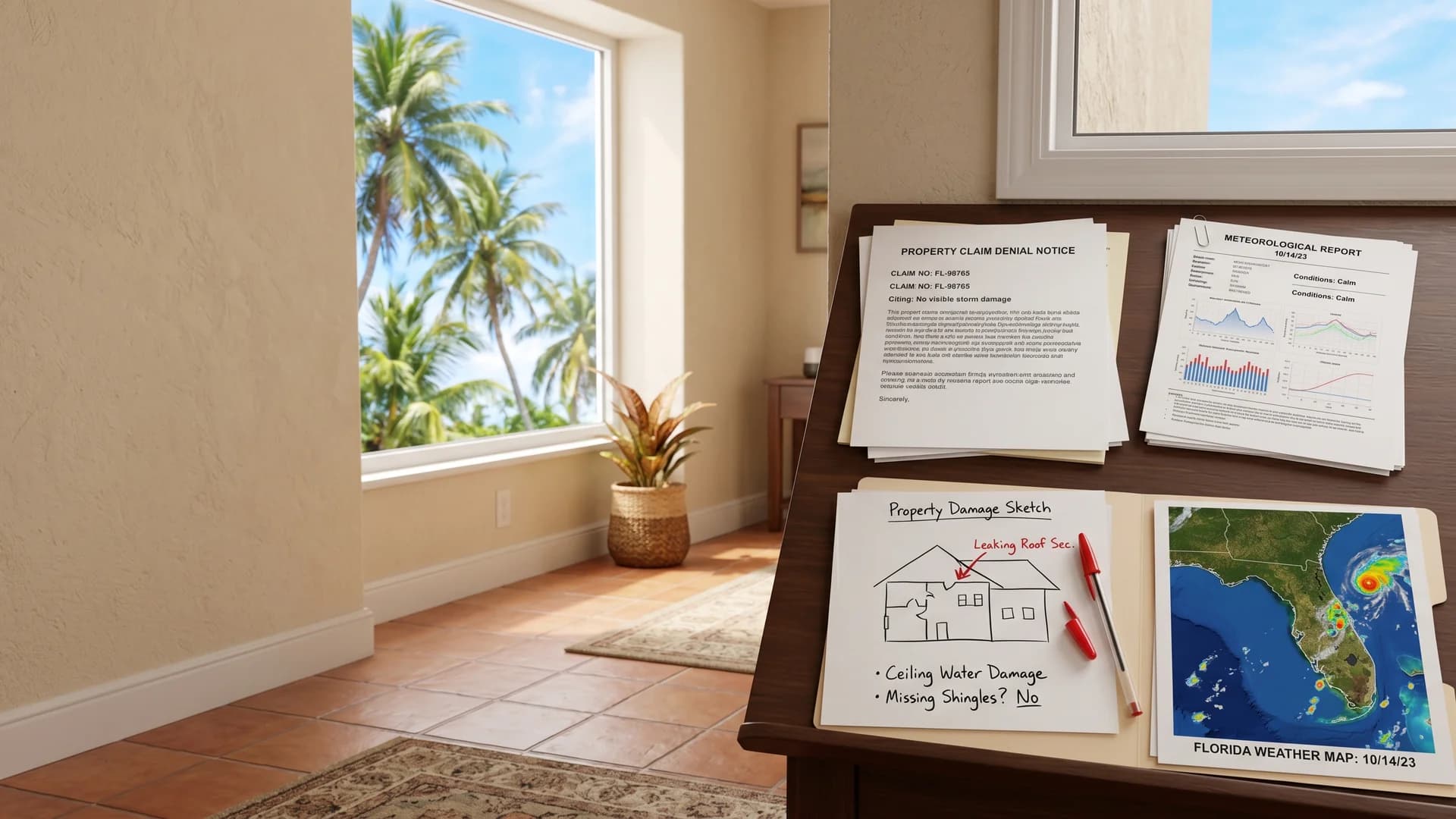
Ocean Point Claims:no storm damage denial

No Storm Damage Denial

When a carrier denies a roof claim for 'no storm damage,' the real dispute is causation. Forensic correlation of the specific event to the damage pattern reverses many of these denials.
Reviewed by Eli Goins, FL DFS License #P159790 · Last updated
By Eli Goins · FL DFS #P159790 · Reviewed: · 1 min read

Short answer: If your carrier denied a roof claim for "no storm damage," the real fight is causation. Reverse it with forensic correlation: tie the specific storm event to your damage pattern using NOAA wind speed, NEXRAD hail data, directional uplift matching the wind vector, debris strikes, and timeline evidence showing no prior-event damage.

The pattern

Adjuster inspects → concludes wear and tear → denial issued → homeowner left with damage.


What the denial actually says

  • "Damage is not consistent with storm causation"
  • "Aging roof, not wind-related"
  • "Wear-and-tear pattern"
  • Sometimes supported by engineering report
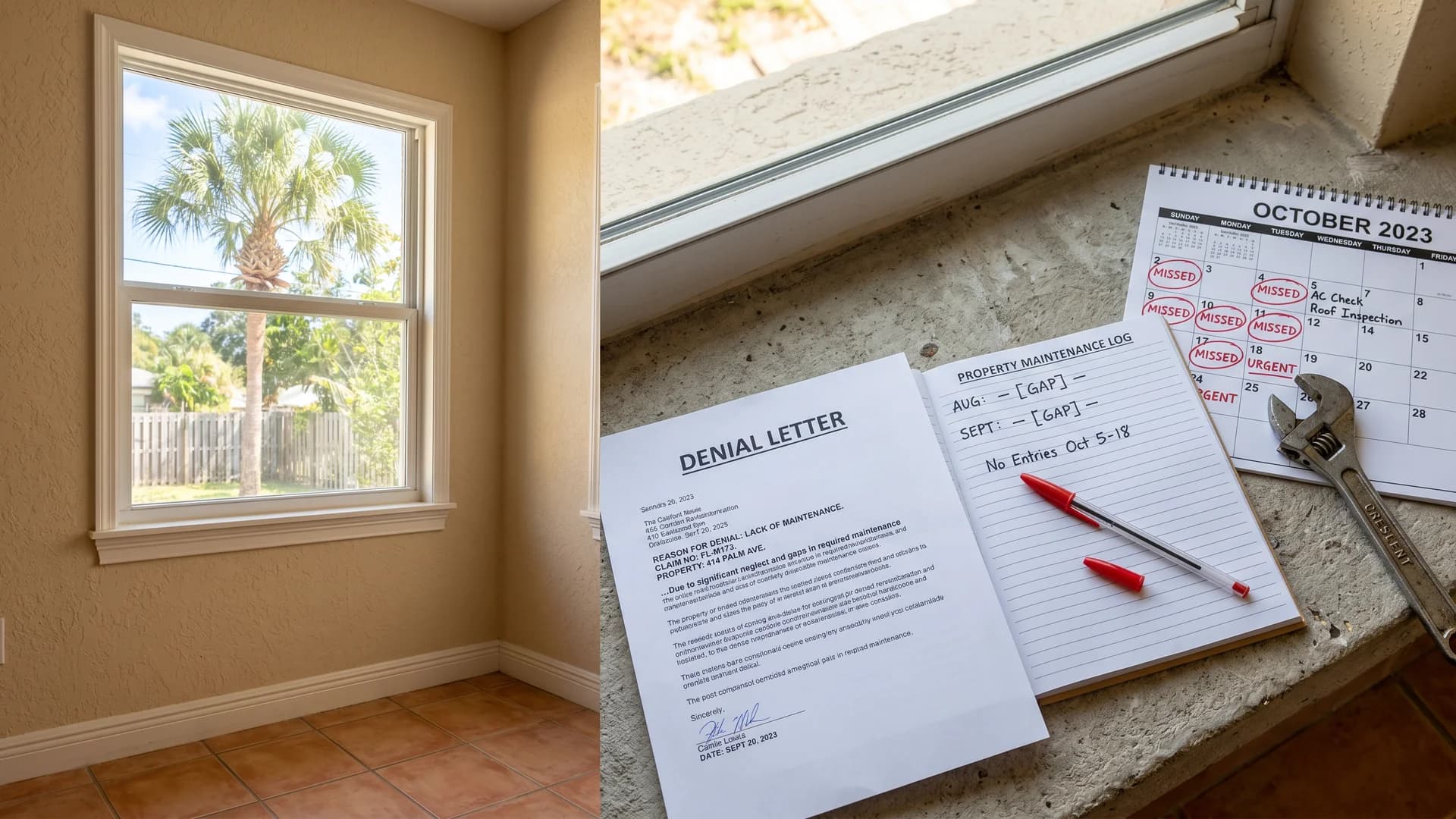
Ocean Point Claims:lack of maintenance denial

Counter-forensic approach

Specific event documentation

  • NOAA wind speed for date and location
  • Hail data from NEXRAD
  • Tornado paths and proximity

Damage pattern correlation

  • Directional uplift matching wind vector
  • Debris strike marks
  • Uniform pattern across exposed slopes
  • Fastener failure consistent with mechanical load

Timeline

  • No prior-event damage documented
  • Specific discovery post-event
  • Immediate claim timing

Adjacent property comparison

  • Neighbors reported similar damage
  • Area-wide event impact
  • Contractor patterns

When engineer reports conflict

  • Request carrier's engineer report
  • Independent forensic engineer
  • Depose carrier engineer if litigating
  • Report-shopping argument if pattern exists

Frequently asked questions

Why did my insurer deny my roof claim for "no storm damage"?
The denial usually says the damage is not consistent with storm causation, calls the roof aging or wind-unrelated, and labels it a wear-and-tear pattern. It is sometimes supported by an engineering report. At its core the real dispute is causation, not whether damage exists, with the carrier arguing the damage came from age rather than a specific event.
How do I prove a storm actually caused the damage?
Document the specific event with NOAA wind speed for your date and location, NEXRAD hail data, and any nearby tornado paths. Then correlate the damage pattern: directional uplift matching the wind vector, debris strike marks, a uniform pattern across exposed slopes, and fastener failure consistent with mechanical load. Timeline evidence, like no prior-event damage and a claim filed soon after, strengthens the causation argument.
What if the carrier's engineer report says it is just wear and tear?
Request the carrier's engineer report so you can review how it reached that conclusion. You can retain an independent forensic engineer to evaluate the damage, and if you are litigating, depose the carrier's engineer. If a pattern of slanted findings shows up, a report-shopping argument may apply.
Does damage to neighboring homes help my claim?
Yes. Neighbors reporting similar damage supports an area-wide event impact rather than isolated aging on your roof. Consistent contractor patterns across the area can reinforce that a specific storm caused the loss.

Related

Reviewed by Eli Goins, FL DFS License #P159790 · Last updated

Ready to talk to a licensed Florida public adjuster?

(888) 824-1306

Free claim review. No recovery, no fee. Answered 24/7.

Get a free claim review
License
FL DFS #W829547
Experience
21 years · 500+ mediations
Rating
4.9★ (86 Google reviews)
Fee
No recovery, no fee
📞 (888) 824-1306Free Claim Review