
Short answer: A Panama City public adjuster represents Bay County policyholders, not the insurer, on property claims, and under Fla. Stat. 626.854 the fee is capped and contingent. Because most standing structures here were patched or rebuilt after Hurricane Michael (October 10, 2018), the central dispute is separating genuine new damage from pre-existing condition. Ocean Point Claims (FL DFS #W829547) documents each loss to the correct storm and date so it is paid, not blamed on Michael.
Why a Panama City claim is unlike any other Gulf claim
Most of the Florida coast measures storms in decades. Panama City measures them against one date: October 10, 2018, when Hurricane Michael came ashore just east of here at Mexico Beach as a Category 5 with sustained winds near 155 mph. It was the first Cat 5 to strike the contiguous United States since Andrew in 1992, and it did not glance off Bay County. It went through it. Roughly 60,000 homes were damaged, entire blocks in Callaway and Lynn Haven were flattened, and the rebuild has run for years.
That history shapes claims here in a way generic storm advice misses. A huge share of the structures standing in Panama City today were either patched, partially rebuilt, or fully reconstructed after Michael. When a newer storm hits, carriers love to argue that fresh damage is really old Michael damage that was never properly repaired. Sorting genuine new loss from pre-existing condition is the core fight on a Panama City roof or interior claim, and it is exactly where an experienced public adjuster earns the engagement.
Michael was not the end of it. Hurricane Sally in September 2020 dumped over ten inches of rain on Panama City and drove freshwater flooding and wind. Hurricane Helene in September 2024 spared Bay County a direct hit but still pushed bay water into low-lying neighborhoods and stacked another layer of "which storm caused this" onto open files. Each event adds a supplemental-claim tail that can stay live for months.
The neighborhoods and building stock behind the numbers
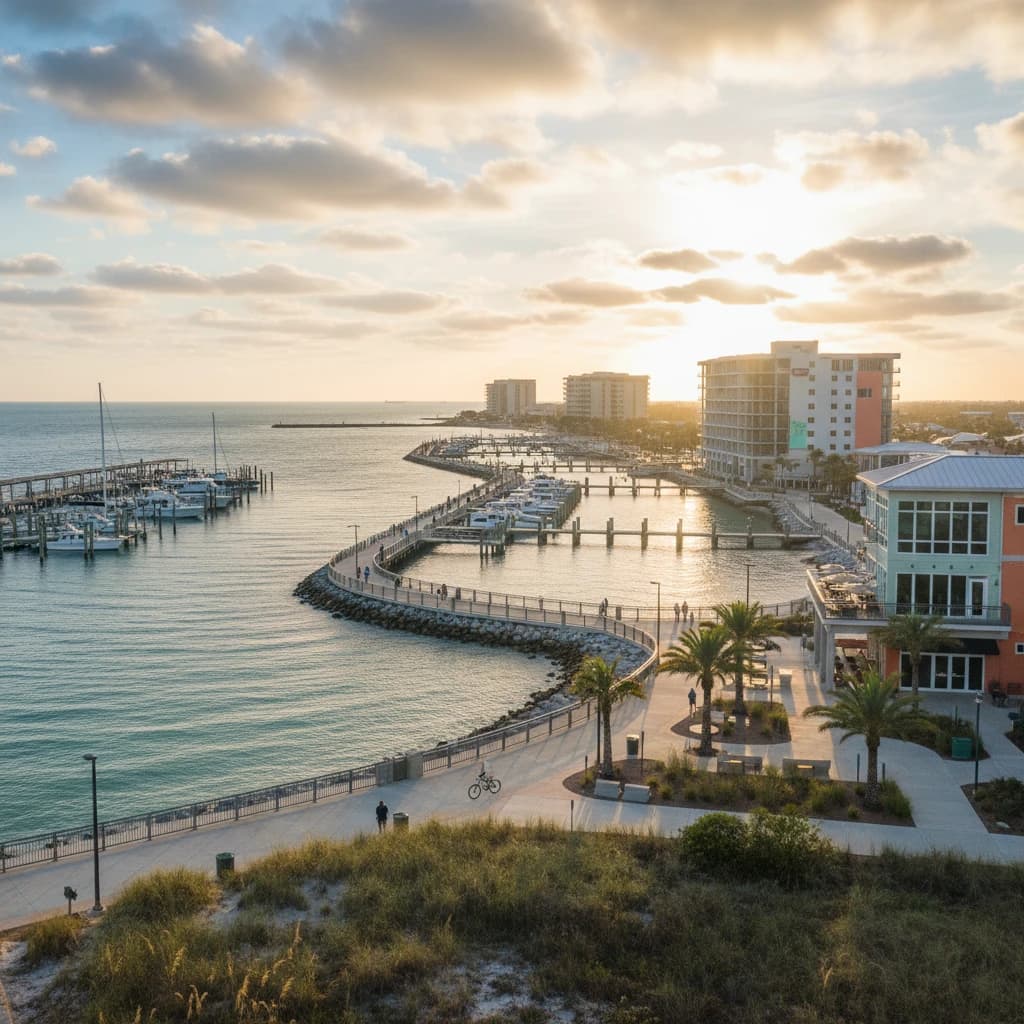
Panama City wraps around St. Andrews Bay, and the bay decides a lot. Waterfront and low-lying pockets near St. Andrews, the historic Cove area, and the peninsular edges take surge and tidal flooding, while inland blocks in Millville and Glenwood absorb straight wind and wind-driven rain. Across the bridge, Panama City Beach loses shingles and siding to gusts, and adjacent Lynn Haven saw the vast majority of its homes damaged in 2018.
Construction era is the hidden variable on every file. A University of Florida study after Michael found that the year a home was built was one of the strongest predictors of how it survived; only about 30 percent of Bay County homes were built to the 2002 statewide Florida Building Code, and older pre-code houses suffered far more roof-sheathing and wall-cladding failure. The Panhandle's wind-design standards have long trailed South Florida's. So Panama City runs two housing stocks side by side: aging pre-Michael homes that fail at the roof deck, and newer post-Michael construction with hidden defects from a rushed rebuild. Both produce underpaid claims, for opposite reasons.
What we handle here
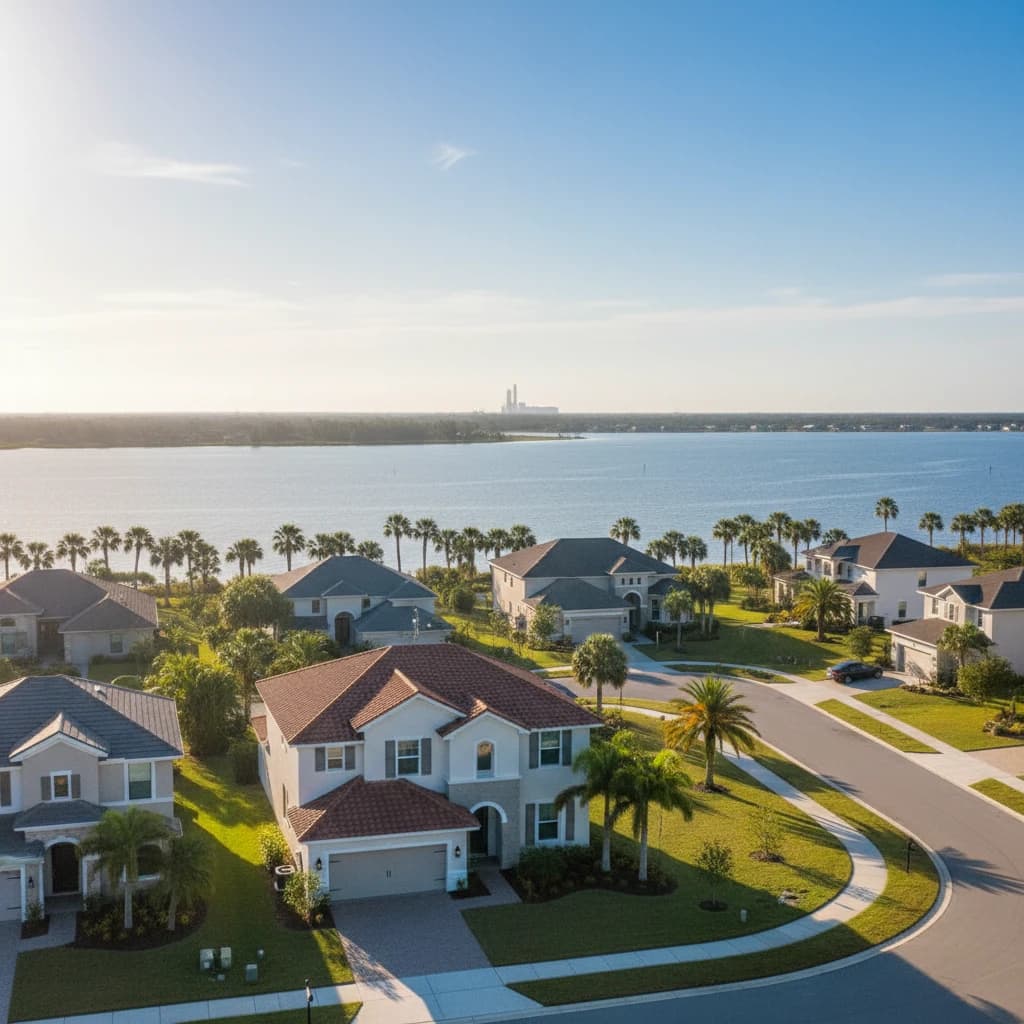
We work the full range of Bay County property losses: hurricane and windstorm damage, roof damage from uplift and missing sheathing, water damage from wind-driven rain and bay flooding, mold that follows a slow leak in our humidity, and fire losses. We also handle HOA and condo association claims on bayfront and beach buildings, commercial and business-interruption losses, and denied, lowballed, or underpaid files. See the full list of claim types.
Why Panama City claims get shorted
The pattern here is specific. Adjusters write a partial roof when the deck underneath failed, then refuse to pay for a full, uniform replacement, even though Florida's matching rule at 626.9744 requires that repairs not leave a patchwork of mismatched shingles or siding. They blame current damage on Michael. They depreciate aggressively against older Panhandle homes. With so many properties carrying layered storm history, the burden of separating events lands on the homeowner, and carriers know an unrepresented owner rarely has the documentation to win that argument.
How Ocean Point works your file
We start with an independent inspection and a full scope, documenting the property as it stands and tying damage to the correct storm and date of loss. We build the estimate, assemble proof, and handle carrier correspondence so the timelines in 627.70131 keep running against the insurer. If the file is denied or stalled, we escalate, and where bad faith is clear we can pursue the remedies under 624.155. We watch the filing deadlines in 627.70132 so a late supplement does not get barred. You stay informed; we carry the back-and-forth.
Fees, timing, and next step
Florida law caps public adjuster fees under 626.854, and we work on contingency, so there is no upfront cost to have your Panama City loss reviewed. Timing depends on storm volume and carrier behavior, but starting early protects your statutory deadlines.
Talk to a Panama City public adjuster. Call (888) 824-1306 or contact us for a free review of your Bay County claim. See more service areas or our Florida public adjusting overview.