
By Robert Malcolm · FL DFS #W716942 · Reviewed: · 1 min read
Short answer: If weather records show a qualifying storm event at the date of loss and your roof shows storm-pattern damage, a wear-and-tear denial is frequently reversible with proper documentation.
How wear-and-tear denials work
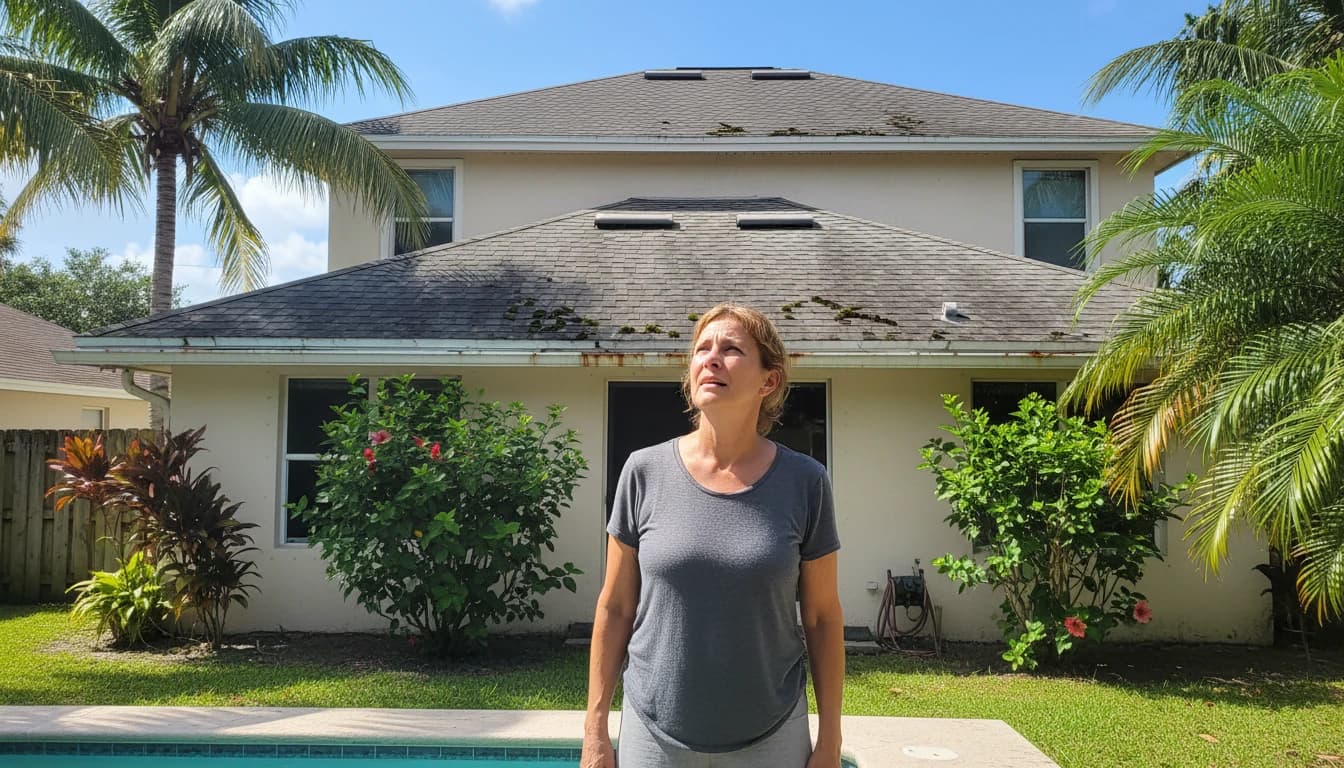
The carrier's adjuster inspects, concludes damage is age-related (granule loss, old hail impressions, general deterioration), and denies the claim under the wear-and-tear exclusion.
Evidence that reverses this
- NOAA/weather-service data confirming storm at date of loss
- Independent licensed roof inspector or engineer report
- Photos of storm-pattern damage (directional impact, fresh breaks, contrast with prior condition)
- Neighbor claims on same date of loss showing area-wide storm impact
Common errors in wear-and-tear analysis
- Not distinguishing old weathering from fresh storm damage
- Ignoring directional evidence on shingles
- Missing underlayment damage
- Overlooking matching-statute obligations