
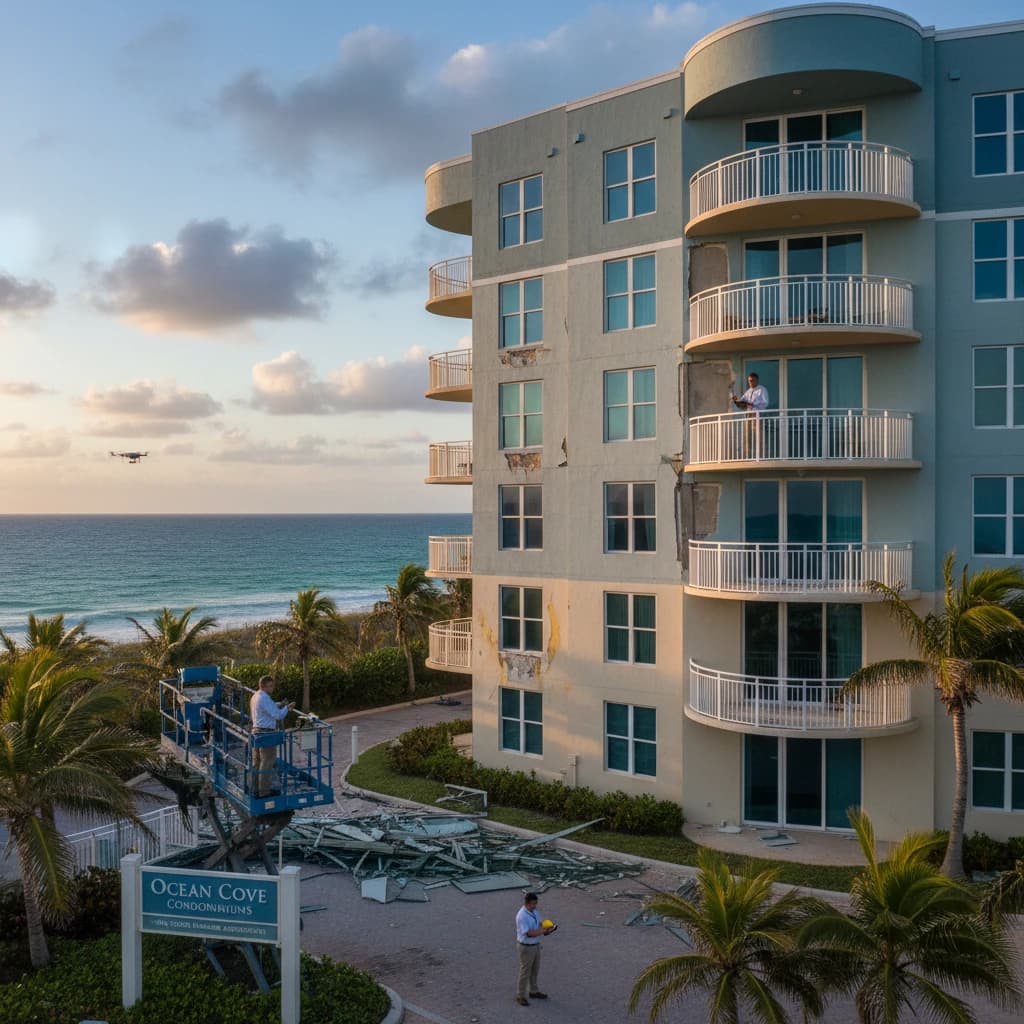
Short answer: On the Treasure Coast, a condo association's master policy covers the building structure and shared systems under Fla. Stat. 718.111(11), while your HO-6 unit-owner policy covers interior finishes, fixtures, and belongings. Who pays for a given loss depends on where the damage falls along that line and on your bylaws.
Master policy vs. unit-owner policy
Florida law (Fla. Stat. 718.111(11)) requires every condominium association to carry a master policy covering the building's structure and shared systems, roofs, elevators, lobbies, exterior walls, and plumbing between units.
Your HO-6 unit-owner policy typically covers:
- Interior drywall, flooring, and cabinets
- Appliances, furniture, and personal belongings
- Loss of use (a hotel or rental if the unit is uninhabitable)
In communities like Harborage Yacht Club, Palm Cove, or Ballantrae, the bylaws spell out exactly which areas are shared versus private, and reviewing them before you file can save thousands.
The statute sets the floor, but your declaration and bylaws can shift the line. Some Treasure Coast associations follow the original-construction standard, where the master policy covers everything as initially built and your HO-6 covers only improvements and betterments; others use an all-in or bare-walls approach. Knowing which model your community uses is the first thing to confirm, because it changes who files for the drywall, cabinets, and flooring in your unit.
Common Treasure Coast scenarios
- Roof leak after a hurricane. The roof is the association's; the master policy responds. The water-damaged ceiling, drywall, and flooring inside your unit are usually your HO-6 claim.
- Burst pipe between units. Shared plumbing is the association's responsibility; resulting interior damage to your finishes is typically yours.
- Exterior wall or window damage. Generally the association's, though some bylaws assign windows and doors to the unit owner.
The dividing line is rarely as clean as it sounds, which is why these claims so often stall between two carriers.
When both policies are in play
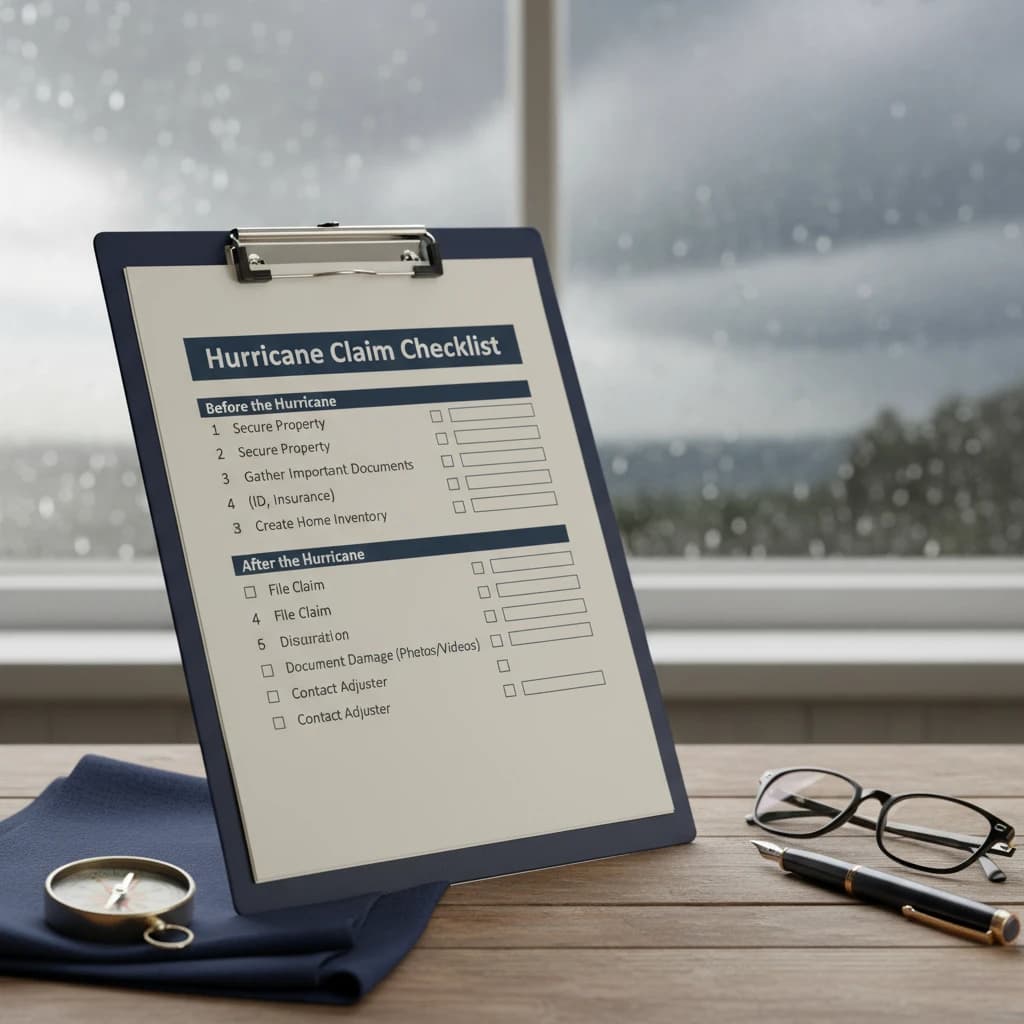
Hurricane and major water losses on the Treasure Coast frequently trigger both the master policy and the HO-6 at once. Each carrier has an incentive to point at the other. A single, coordinated claim strategy, documenting the full loss and assigning each portion to the correct policy, is what prevents owners and boards from falling through the gap.
Watch the association's deductible and assessments
Condo master policies often carry large hurricane deductibles, sometimes 3% to 5% of the building's insured value, which can run into the hundreds of thousands of dollars for a mid-size building. When the master-policy deductible or an uncovered shortfall is passed to owners as a special assessment, your HO-6 policy's loss-assessment coverage may help, if you carry enough of it. Review that limit before storm season; the default amount on many HO-6 policies is far too low for a real event.
What boards and managers should document
For association claims, the building-wide scope is the leverage: roof and envelope damage across every elevation, common-area interiors, elevators and shared mechanical systems, and code upgrades triggered under ordinance-or-law. A unit-by-unit interior survey then separates master-policy damage from HO-6 damage so each carrier pays its share.
The deadlines and leverage that apply
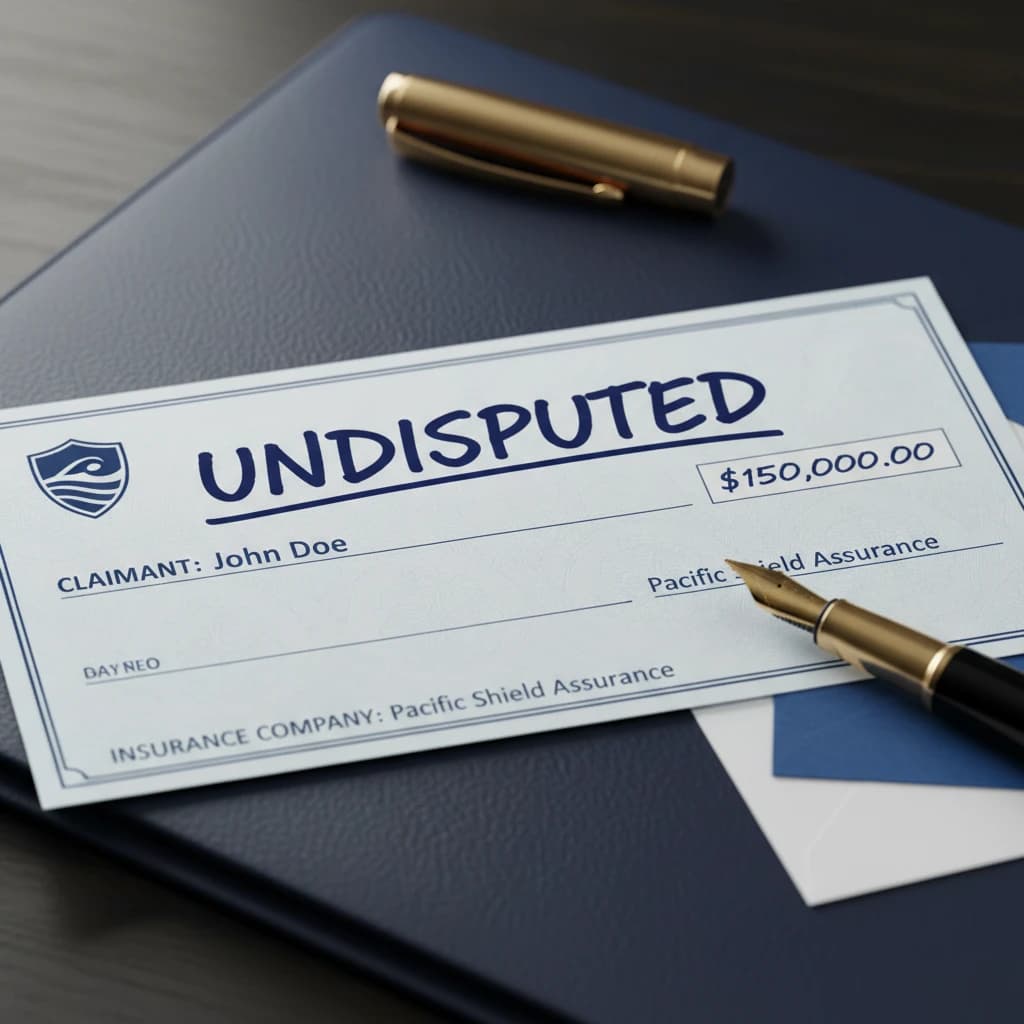
Both carriers owe the Fla. Stat. 627.70131 timeline: acknowledge within 7 days, pay or deny within 60. Owners and associations must report a new claim within 1 year of the date of loss and a supplemental within 18 months under Fla. Stat. 627.70132. Matching for mismatched roofing or finishes can apply under Fla. Stat. 626.9744.
What to do next
Ocean Point is headquartered on the Treasure Coast and represents condo owners, HOAs, and property managers across Martin, St. Lucie, and Palm Beach Counties, on a fee capped by Fla. Stat. 626.854. Call (888) 824-1306 or request a free claim review.