
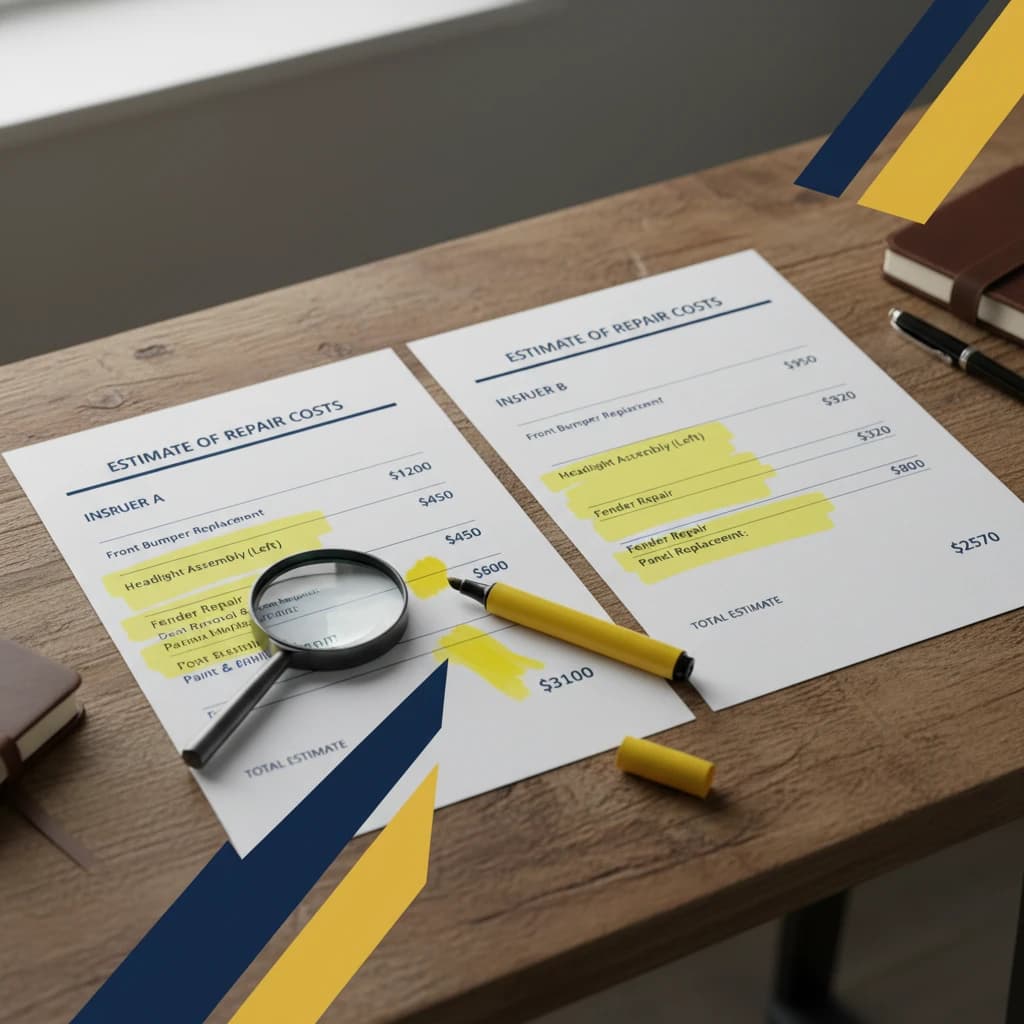
Short answer: To dispute an underpaid Florida claim, request the carrier's estimate, review your policy, and build an independent line-item estimate that documents what was omitted. If negotiation fails, escalate through the policy's appraisal clause, DFS mediation, or a Civil Remedy Notice under Fla. Stat. 624.155.
Why claims get underpaid
Most underpayments have little to do with your actual damage:
- Rushed inspections that miss hidden problems
- Lowball or out-of-date repair pricing
- Damage recharacterized as wear and tear
- Omitted matching, code upgrades, and overhead and profit
Without an expert review, it is easy to accept a settlement that covers only part of the real cost. That expert gap is measurable: a 2010 Florida OPPAGA study of Citizens Property Insurance claims (Report No. 10-06) found policyholders represented by a public adjuster recovered materially more than those without one, with the widest advantage on hurricane claims (oppaga.fl.gov); individual results vary.
What you can do yourself first
- Review your policy. Find your coverage limits, deductibles, and the appraisal and mediation clauses.
- Request the carrier's estimate. You are entitled to the line-item breakdown behind the offer.
- Document the gap. Photograph anything the adjuster missed and get an independent contractor estimate.
- Put it in writing. Submit a written supplemental claim identifying each omitted item.
A clear, documented supplemental is often enough to move a reasonable carrier.

The formal escalation paths
When negotiation stalls, Florida gives you three tools:
- Appraisal. A policy clause for valuation disputes, you agree the loss is covered but disagree on amount. Each side names an appraiser, and an umpire resolves the difference, without litigation.
- DFS mediation. A free, state-run mediation program through the Florida Department of Financial Services for many residential claims.
- Civil Remedy Notice. Under Fla. Stat. 624.155, a CRN documents bad-faith claim handling and gives the carrier 60 days to cure, an important step before a bad-faith action.
How to pick the right path
The three tools are not interchangeable:
- Dispute is purely about amount, and coverage is agreed: use appraisal.
- You want a low-cost, neutral push and the claim qualifies: try DFS mediation.
- The carrier's conduct is the problem, missed deadlines, lowball offers made in bad faith: file a Civil Remedy Notice under Fla. Stat. 624.155.
- Coverage itself is denied on contested grounds: that is usually an attorney's track, and a public adjuster coordinates with counsel.
Matching what is actually broken to the right tool is half the battle; using appraisal on a coverage denial, for instance, goes nowhere.
The deadlines that protect you
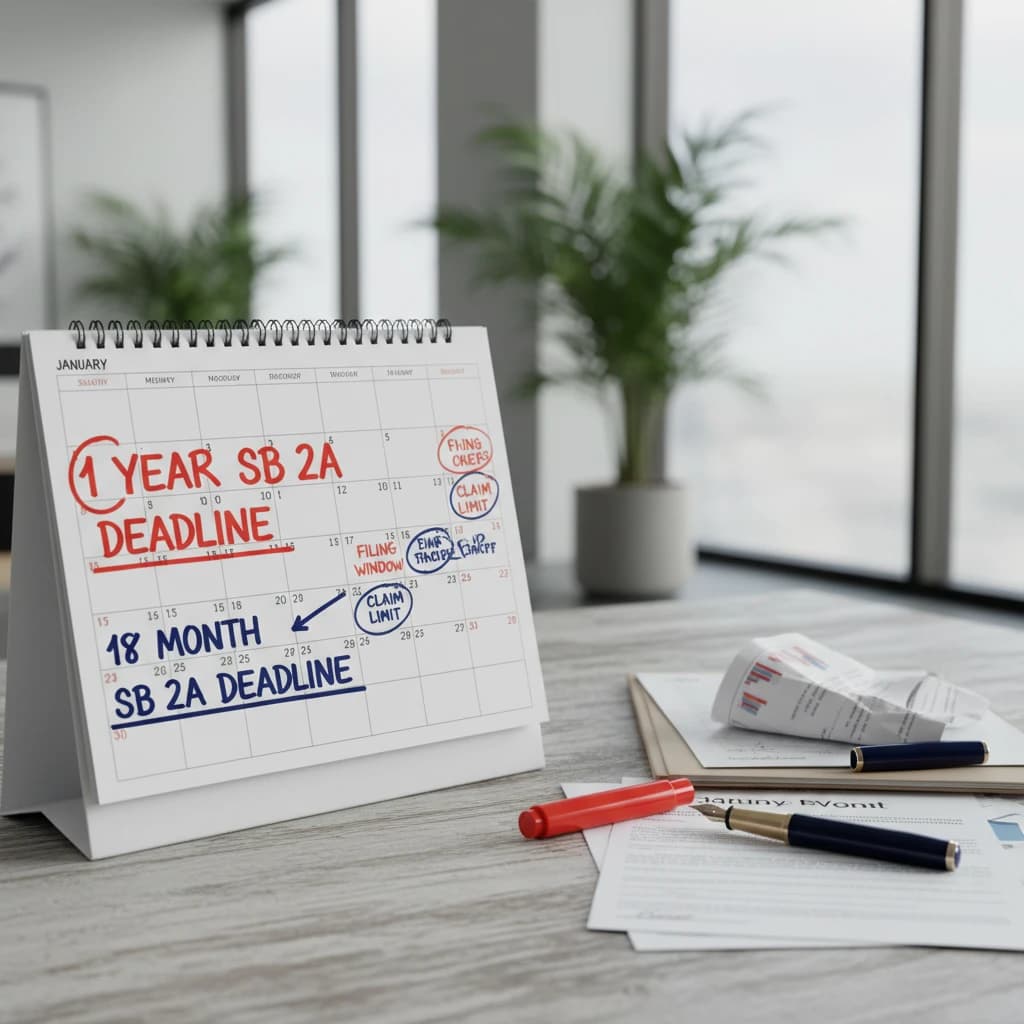
The carrier owes the Fla. Stat. 627.70131 timeline (7 days to acknowledge, 30 to inspect, 60 to pay or deny, with statutory interest on a late payment). You must file a supplemental within 18 months of the date of loss under Fla. Stat. 627.70132. Missing that window usually ends the dispute, so act before it closes.
What to put in a written supplemental demand
A supplemental that gets results is specific, not a complaint. Include:
- The line items the carrier omitted, each tied to your independent estimate
- The statute behind each (matching under 626.9744, code upgrades under ordinance-or-law)
- Photos and any contractor or engineer reports supporting the scope
- A clear dollar figure for the difference and a response deadline
A vague "I think this is too low" invites another low response. A documented, line-item demand forces the carrier to address each item on the merits.
When to bring in a public adjuster
If the gap is large or the carrier will not move, a licensed public adjuster builds the estimate, runs the negotiation, and handles appraisal or mediation. Fees are capped by Fla. Stat. 626.854, generally up to 20% of the claim payment and 10% for declared-emergency claims in the first year, and Ocean Point works no recovery, no fee.
What to do next
If your Florida settlement came in low, a free claim review will show you exactly what was omitted and which escalation path fits. Call (888) 824-1306 or request a free claim review.