
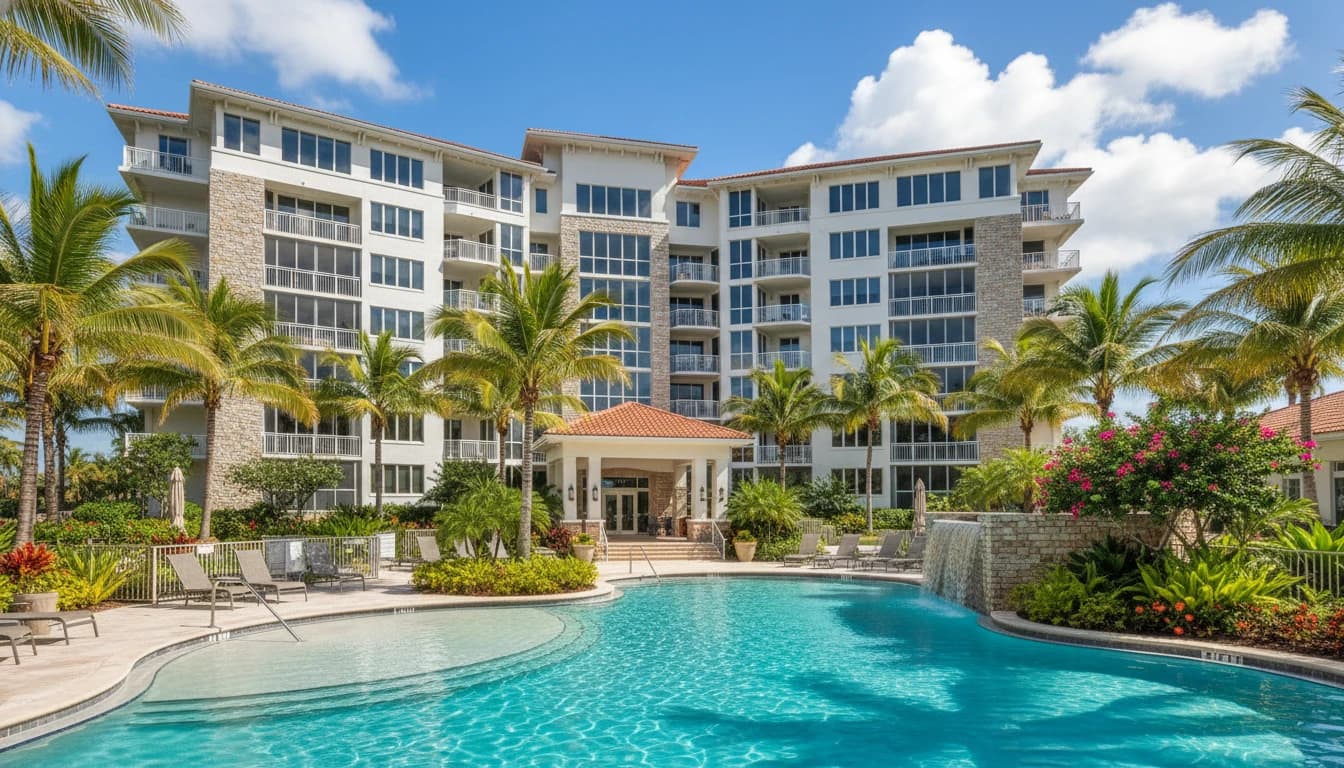
The two-policy structure
Every Florida condominium has at least two insurance policies involved in most claims:
- Association master policy: covers the building structure, common elements, limited common elements, and shared systems
- Unit owner HO-6 policy: covers the unit interior, contents, loss of use, and sometimes improvements
Your declaration of condominium specifies the exact coverage split.
Typical split: "bare walls"
Under "bare walls" (common in many Florida associations):
- Association covers: structural framing, exterior, roof, common elements, shared systems, original fixtures
- Unit owner covers: everything inside the unit drywall: fixtures, finishes, appliances, contents
Typical split: "all-in"
Under "all-in" (less common):
- Association covers: structural + finishes as originally installed
- Unit owner covers: upgrades, modifications, contents
Where disputes arise
Water intrusion from common element
A common-element pipe fails. Water damages multiple units. Association policy handles the pipe and common-area remediation; unit owner policies handle individual unit damages. Both sides argue about who pays what.
Storm damage to building envelope
Roof damage is association. But water that enters and damages individual units: whose coverage?
Limited common elements
Balconies, patios, assigned parking: coverage varies by declaration. Often disputed.
Unit improvements
Kitchen remodels, flooring upgrades: under "bare walls" split, these are typically unit owner coverage. Association sometimes claims these.

The declaration controls
Every condo insurance dispute goes back to the declaration of condominium. It defines:
- What's a common element
- What's a limited common element
- What's unit property
- How claims are allocated
Before engaging with any coverage dispute, read the declaration.
Common scenarios
Pipe burst from unit above
- Unit above's owner's HO-6 covers their unit's damage + potentially liability for downstream
- Association master policy may cover if the pipe is in a common chase
- Your HO-6 covers your unit damage; may subrogate against upstream owner
Roof leak from exterior
- Association master policy covers the roof repair
- Association master policy typically covers resulting damage to common elements
- Unit owner HO-6 covers damage to unit-specific property
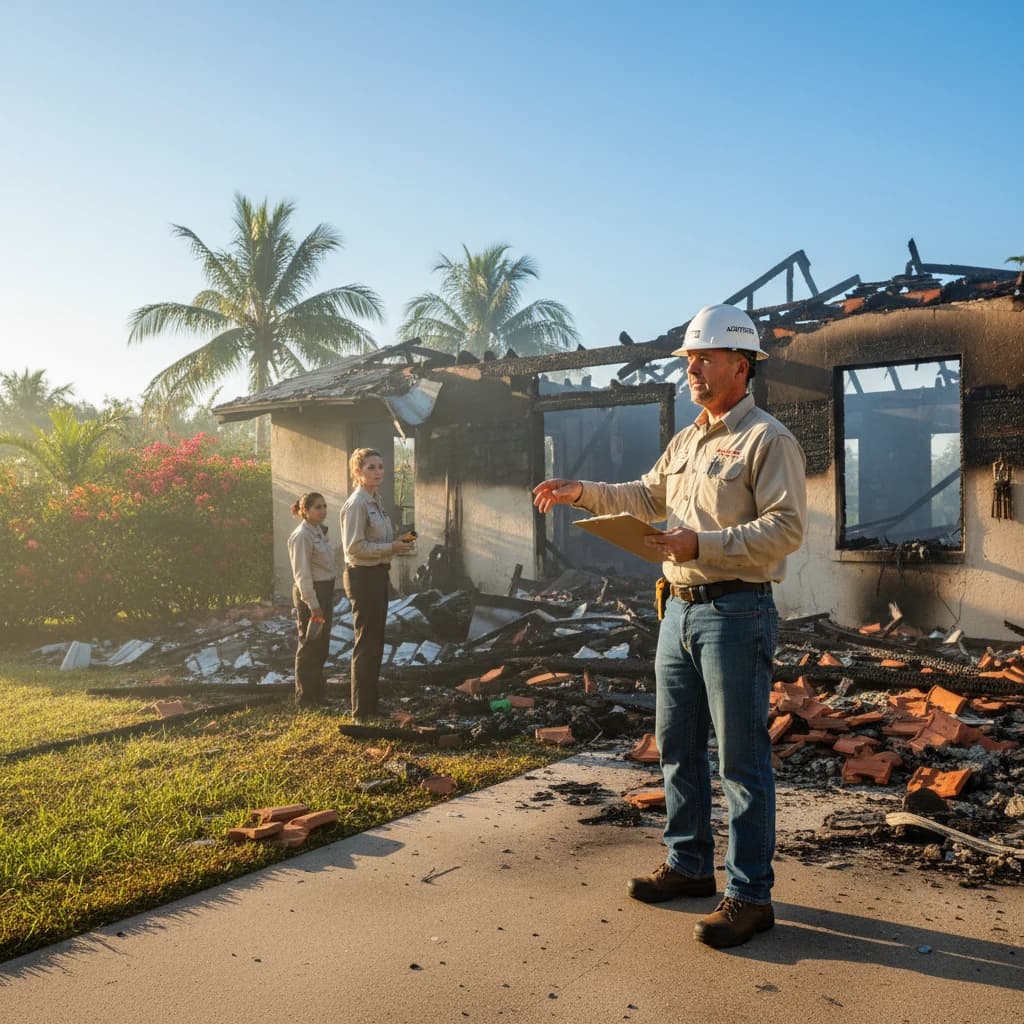
Fire in one unit spreading to others
- Fire origin unit's HO-6 + liability coverage
- Association master policy may cover common-element damage
- Other units' HO-6 policies cover their damage
Documentation essentials
- Declaration of condominium
- Association master policy declarations + form
- Unit owner HO-6 policy declarations + form
- Association CC&Rs
- Board minutes relevant to the claim
- Damage documentation with unit boundary clarity
Working with the association
- Notify the board promptly
- Request association's claim handling in writing
- Coordinate documentation (don't duplicate or contradict)
- Follow the declaration's allocation
- Don't release claims that impact other units
How Ocean Point handles condo claims
- Declaration review first
- Coordinate with association's claim handling
- Document unit-specific damage separately
- Invoke correct coverage sources
- Escalate if association or carrier resists proper allocation