
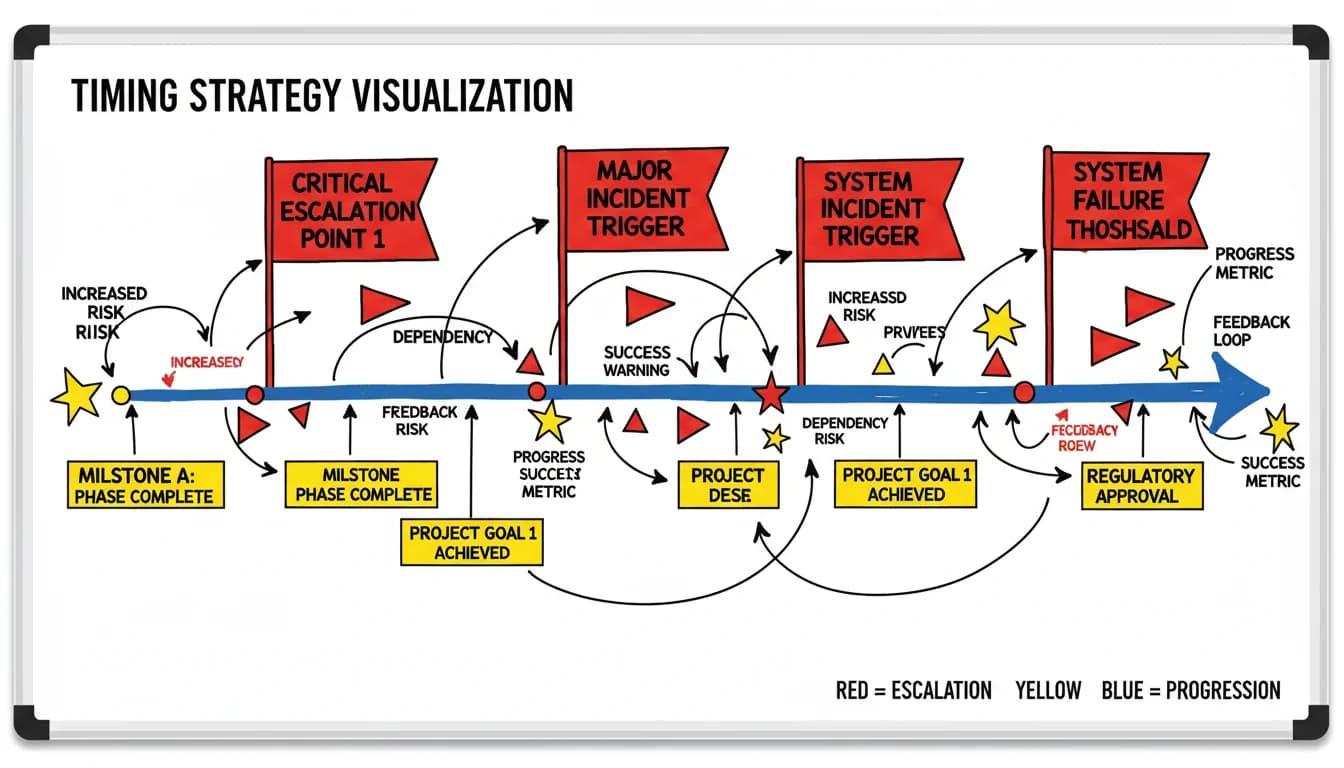
Short answer: Each escalation path in a Florida claim has an optimal moment, so timing is strategy. Use DFS mediation when an offer is low but still negotiable, appraisal once coverage is agreed and scope is fully documented, a Civil Remedy Notice after a documented statutory breach, and litigation only after the cure window closes and other steps are exhausted.
When each escalation fits
DFS Mediation
Best timing: After initial offer that's low but not pretextual Triggers: Scope/pricing dispute; both parties still negotiating in good faith Avoid when: Coverage is disputed; bad-faith record exists
Appraisal
Best timing: After full documentation; coverage agreed; amount disputed Triggers: Scope fully documented; expert reports obtained; carrier acknowledges coverage Avoid when: Coverage still contested; scope not fully documented; matching-statute analysis incomplete
Civil Remedy Notice
Best timing: After documented statutory breach; after direct negotiation failed Triggers: Missed 627.70131 deadlines; pretextual denial; unfair claim handling under 626.9541 Avoid when: Claim still in normal handling; statutory breaches not documented; alternative path more appropriate
DFS Complaint
Best timing: Parallel to CRN or as first regulatory signal Triggers: Any significant unfair-handling pattern Avoid when: Direct communication still productive
Litigation
Best timing: After CRN 60-day cure window; after supplemental filed; with documented record Triggers: Bad-faith confirmed; statutory breach uncured; significant damages Avoid when: Supplemental window still open; other escalation untried; small-dollar claim
Sequencing example
Standard claim, disputed scope
- Documented demand (day 30-60)
- DFS mediation (day 75-90)
- Appraisal (day 120-180)
- Supplemental if new damage (any time within 18 months)
Bad-faith-pattern claim
- Documented demand (day 30)
- DFS complaint (day 60)
- CRN filing (day 75)
- 60-day cure window
- Litigation if uncured (day 135+)
Denial-based dispute
- Written rebuttal (day 30)
- Expert reports (day 45-60)
- CRN if denial is pretextual (day 75)
- Litigation (day 135+) if not cured
Common timing mistakes
Too early
- CRN on first dispute (without documented record)
- Litigation before supplemental / escalation exhausted
- Appraisal before scope is fully documented
Too late
- Missing supplemental window
- Appraisal after statutory demand expired
- Litigation after statute of limitations
Wrong tool
- CRN on pure scope dispute (use mediation/appraisal)
- Litigation before CRN on bad-faith (doesn't preserve bad-faith cause of action)