
Skip to content
Ocean Point Claims Company
Ocean Point Claims:claim dispute escalation paths

Claim Dispute Escalation Paths

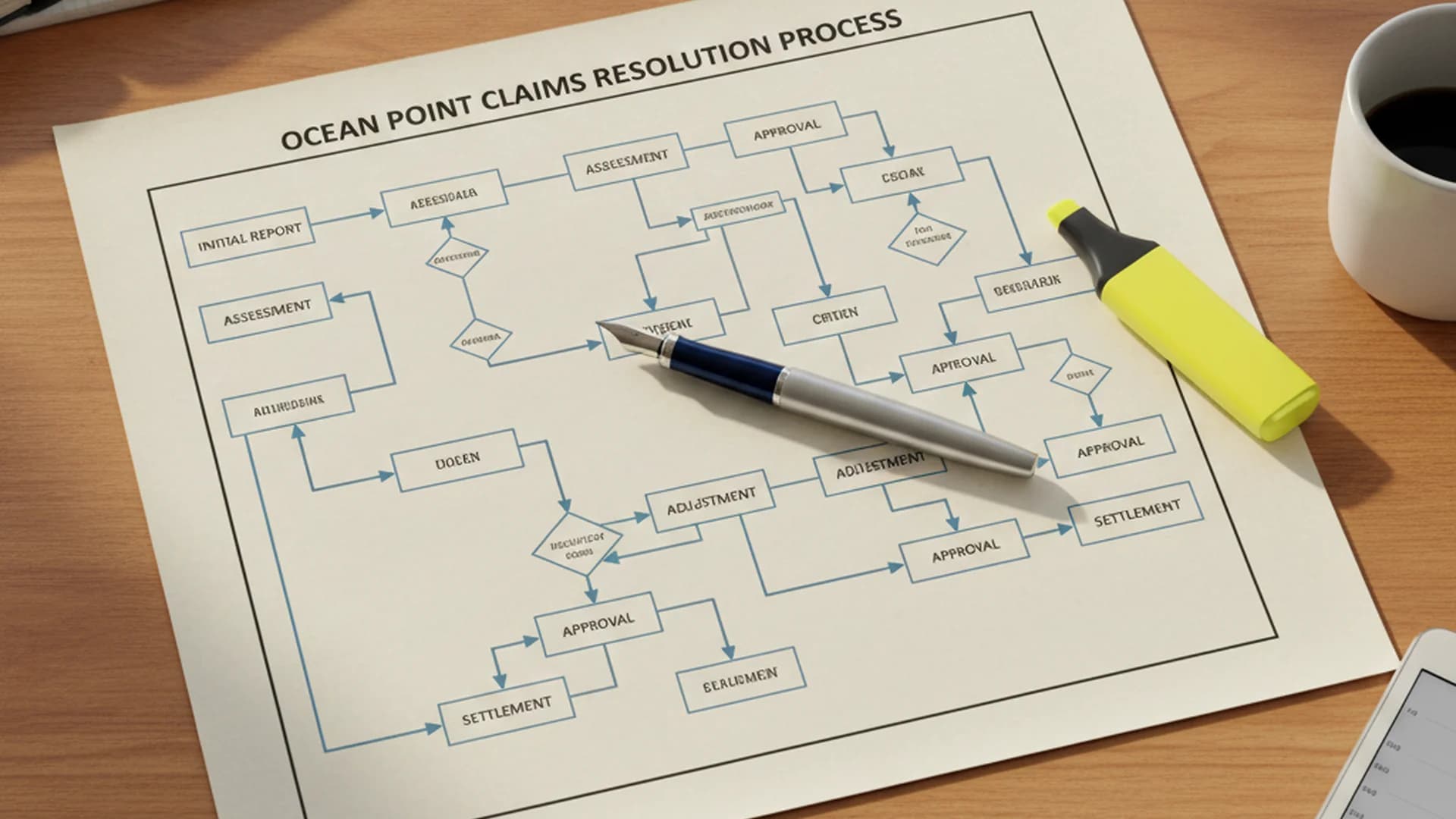
Florida offers policyholders four distinct escalation paths when a claim dispute won't resolve directly. Each has a specific best-fit scenario, specific costs, and specific binding/non-binding outcomes. Choosing the right one is a strategic decision: sometimes the cheapest tool produces the best result; sometimes only the most aggressive tool works.
Reviewed by Eli Goins, FL DFS License #P159790 · Last updated
By Eli Goins · FL DFS #P159790 · Reviewed: · 2 min read

Short answer: Escalate a disputed Florida claim in stages: start with a written, documented demand to your insurer, then request free DFS mediation (627.7015) or invoke appraisal for valuation disputes. For suspected bad faith, file a Civil Remedy Notice (624.155). First-party litigation stays the binding last resort when the other paths fail to produce a fair resolution.

Path 1: Written demand with documentation

Before escalating, always run the documented-demand cycle first. A clear, statute-cited written demand with Xactimate estimate and photo evidence produces movement on maybe 40% of stuck claims, and creates the record you'll need if you escalate further.


Path 2: DFS Mediation (Fla. Stat. 627.7015)

Best for: scope/pricing disputes, amount-of-loss disagreements, when both parties want resolution Cost: typically $350 total (carrier pays); policyholder cost usually $0 Binding: non-binding; either party can walk Timeline: 2-8 weeks to schedule; single session 2-4 hours Outcome: when it settles, settles on the day; 60-70% settlement rate

Ocean Point Claims:florida insurance claim master guide

Path 3: Appraisal (policy clause)

Best for: amount-of-loss disputes where coverage isn't contested Cost: each party pays their own appraiser ($200-$500/hr); umpire split 50/50 Binding: binding on amount of loss Timeline: 60-120 days depending on panel scheduling Outcome: award signed by any two of three (two appraisers + umpire)

Use appraisal when the carrier acknowledges coverage but won't agree on value.


Path 4: Civil Remedy Notice (Fla. Stat. 624.155)

Best for: carrier bad faith, statutory violations, deadline breaches, pretextual denials Cost: filing is free; attorney fees if litigation follows Binding: starts a 60-day clock; carrier cures or faces bad-faith exposure Timeline: 60-day cure window Outcome: often produces settlement within the 60 days; if not, preserves first-party bad-faith cause of action

Ocean Point Claims:insurance claim audit processes

Path 5: First-party insurance litigation

Best for: coverage disputes, bad-faith actions, significant damages, complex commercial claims Cost: contingency counsel typical; fees historically shifted by statute (modified by 2022-2023 reform) Binding: yes (judgment) Timeline: 12-36 months typical Outcome: judgment or settlement; most first-party cases settle before trial


How to choose

SituationPath
Scope/pricing dispute, coverage OKMediation first, then appraisal
Denial on coverage groundsCRN, then litigation if not cured
Missed statutory deadlinesCRN (creates bad-faith record)
Large commercial, complex coverageLitigation with counsel
Speed matters more than amountMediation
Final binding number mattersAppraisal

Frequently asked questions

What is the difference between appraisal and DFS mediation for a Florida claim?
Appraisal is a binding process that resolves disputes over the amount of a covered loss, with each side naming an appraiser and a neutral umpire breaking ties. DFS mediation under 627.7015 is a free, non-binding session run by the Department of Financial Services where you and the insurer try to negotiate. Choose appraisal when only the dollar value is contested, and mediation when you want a low-cost chance to settle the dispute.
Is filing a Civil Remedy Notice the same as suing my insurer?
No. A Civil Remedy Notice under 624.155 is a pre-suit filing that documents the insurer's alleged bad faith and gives the company 60 days to correct the violation. If the insurer pays or cures within that window, a statutory bad faith lawsuit does not follow. The CRN is a formal escalation step, not litigation itself, though it can set up a later bad faith claim.
When should I escalate to a lawsuit against my insurer?
First-party litigation is the binding last resort, generally pursued after a written demand, DFS mediation, or appraisal has failed to produce a fair resolution. It is the most costly and time-intensive path, but its outcome is enforceable through the court. Before filing, confirm you have met Florida's notice deadlines, since 627.70132 requires an initial claim within one year and supplemental claims within 18 months.
How much does each Florida claim escalation path cost?
DFS mediation under 627.7015 is free to policyholders because the insurer covers the cost. In appraisal, each side pays its own appraiser and the two sides typically split the umpire's fee, so it carries moderate cost. Litigation is the most expensive route, while a written documented demand and a Civil Remedy Notice cost little beyond the time to prepare them.
Which escalation paths give a binding outcome in Florida?
Appraisal and first-party litigation produce binding results: an appraisal award and a court judgment are both enforceable. A written demand, DFS mediation, and a Civil Remedy Notice are non-binding, meaning they pressure the insurer toward resolution but do not force a final number on their own. Matching disputes under 626.9744 often surface during appraisal, where the binding award can settle them.

Related

Reviewed by Eli Goins, FL DFS License #P159790 · Last updated

Ready to talk to a licensed Florida public adjuster?

(888) 824-1306

Free claim review. No recovery, no fee. Answered 24/7.

Get a free claim review
License
FL DFS #W829547
Experience
21 years · 500+ mediations
Rating
4.9★ (86 Google reviews)
Fee
No recovery, no fee
📞 (888) 824-1306Free Claim Review