
By Anthony Barber · FL DFS #W101847 · Reviewed: · 1 min read
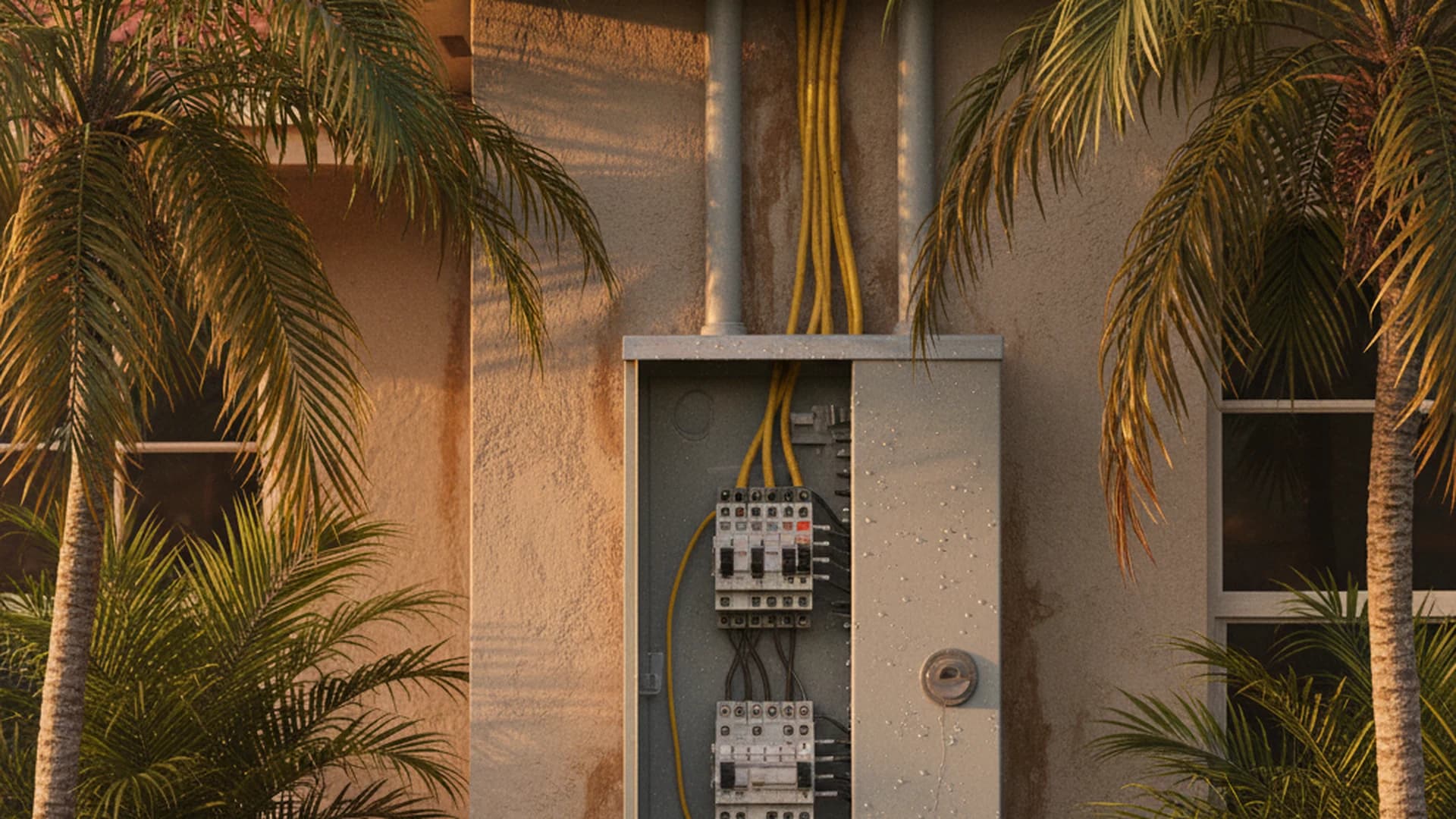
Electrical components affected by water
- Outlets and switches in wet areas
- Wiring in wet wall cavities (even when insulated)
- Junction boxes below flood line
- Circuit panels (rare but possible)
- Ceiling fans and fixtures when ceiling was wet
- HVAC electrical components: blower motor, contactor, control board
- Appliance wiring harnesses in affected areas
What code requires
Florida Building Code and NEC standards require:
- Wet outlets replaced (GFCI wet-rating doesn't change this)
- Wet wiring runs replaced (water-corrosion risk)
- Wet junction boxes replaced
- Any panel with water contact must be inspected; often replaced
- Permit pulled for the electrical scope
- Licensed electrician work required
Why carriers push back
- "Outlets look fine: just dry them"
- "Wiring is inside conduit: it's protected"
- "Replace only visibly damaged fixtures"
- "No permit needed for 1-for-1 replacement"
None of these hold up against electrical code requirements.
Documenting the electrical scope
- Licensed electrician assessment of affected components
- Photo documentation of water contact evidence on each component
- Pre-demo panel inspection (if panel was affected)
- Permit requirements per local jurisdiction
- Code citation in the claim narrative
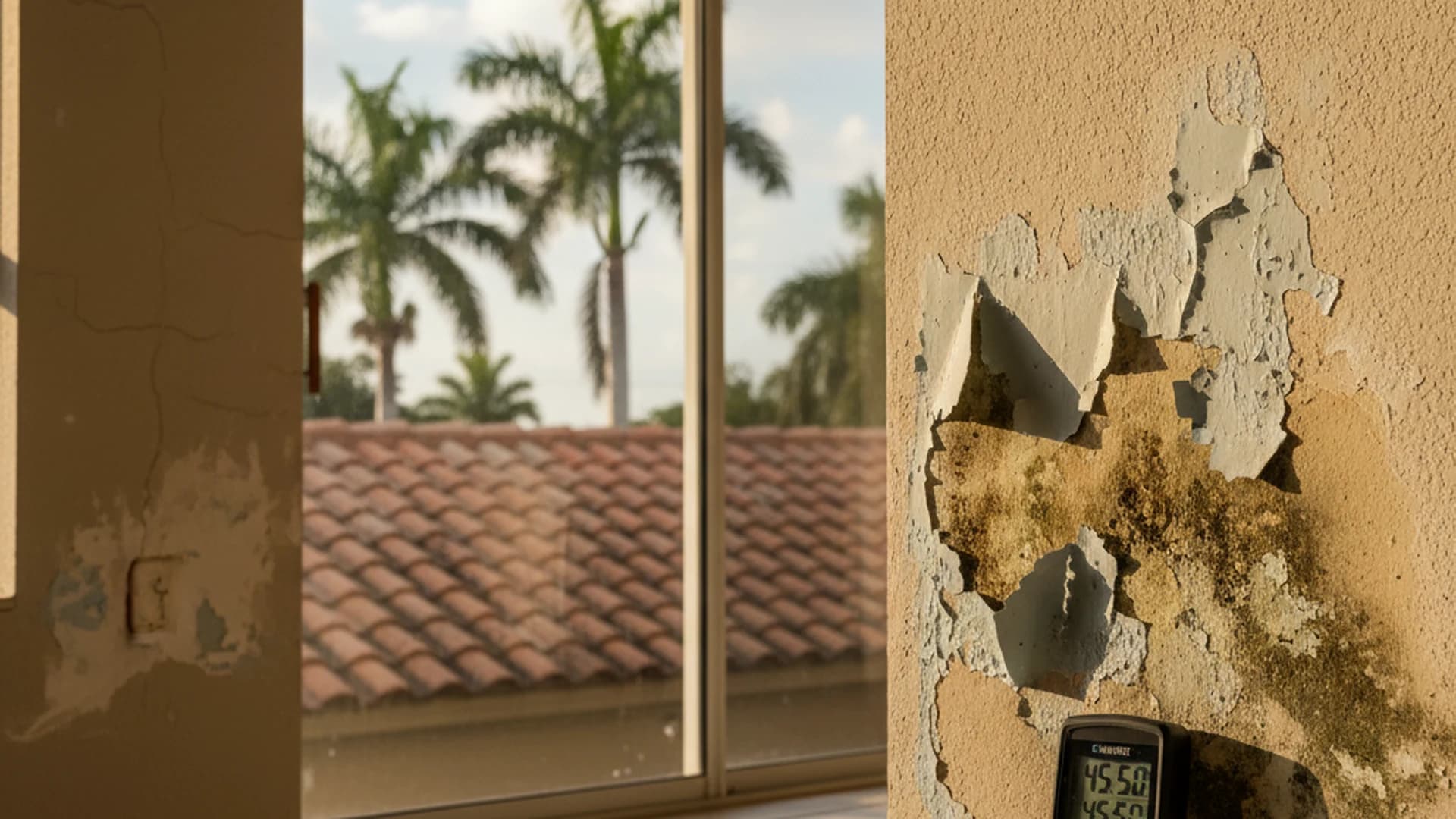
HVAC electrical crossover
Water at or near the air handler often requires:
- Blower motor replacement (bearing corrosion)
- Contactor and control board inspection
- Control wiring replacement
- ECM / variable speed component evaluation
The HVAC contractor's electrical scope goes on the claim.