
By Anthony Barber · FL DFS #W101847 · Reviewed: · 1 min read
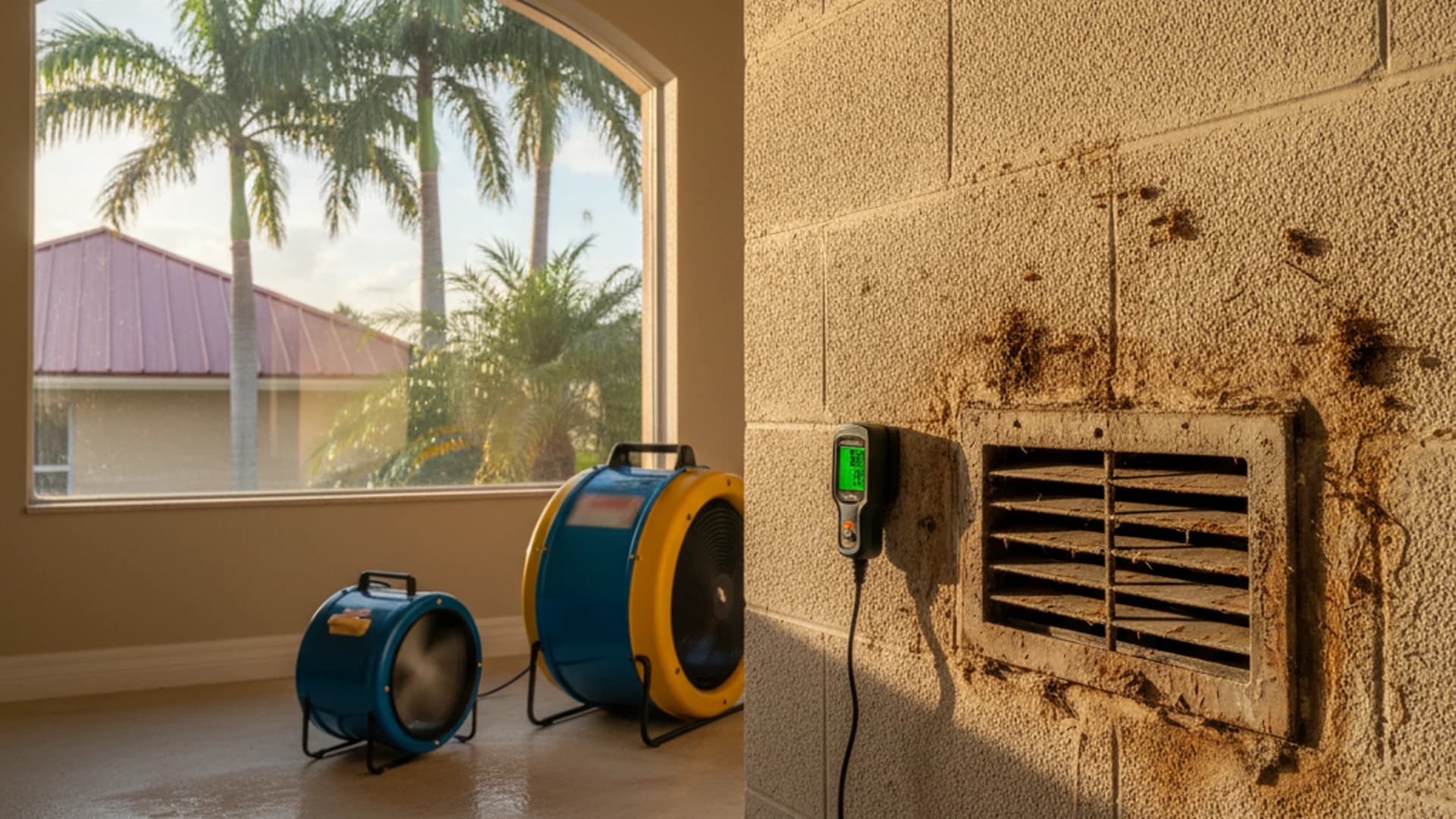
HVAC components affected by water
Air handler
- Coils (bacterial and mold colonization)
- Blower motor (bearing corrosion)
- Drain pan and float switch (calcification, biologic)
- Control board and wiring
- Return air filter and housing
Ductwork
- Galvanized metal (rust from humidity)
- Flex duct (mold on inner liner)
- Boots and registers (biologic)
- Insulation on ducts (mold)
Condenser / outdoor unit
- Usually not affected by indoor water
- Sometimes affected by external flooding
Thermostat and controls
- Wall thermostats wet from wall water
Contamination spread pattern
Once the coil or return is contaminated:
- Blower draws contaminated air through the home
- Deposits spores and particulates in every supplied room
- Recirculates continuously
- Settles on contents, surfaces, fabrics
This is why HVAC claims require whole-home remediation scope, not just the equipment.
IICRC / NADCA standards
Proper remediation requires:
- Containment of contaminated areas during work
- Full duct cleaning (NADCA-certified)
- Coil cleaning or replacement
- Drain pan cleaning and treatment
- Register and boot cleaning
- HEPA filtration during remediation
- Clearance testing post-work
Common carrier under-scoping
- "Just clean the coil"
- "Duct cleaning not required"
- "Run the AC and it'll be fine"
- Replace only visibly affected components
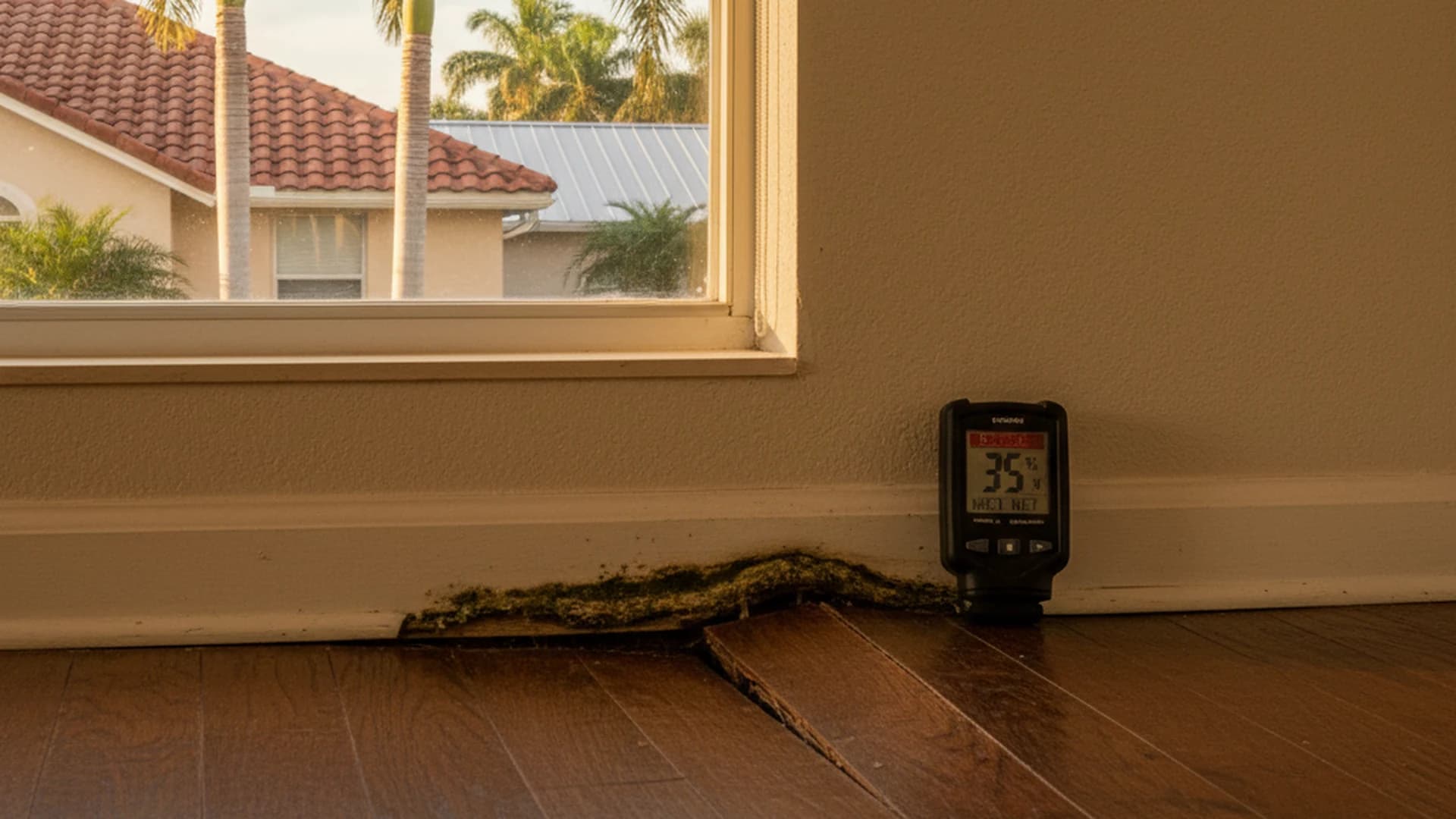
How to document HVAC scope
- HVAC contractor assessment (written)
- NADCA-certified duct cleaning quote
- Spore test pre-remediation (baseline)
- Spore test post-remediation (clearance)
- Equipment age documentation (replacement vs. cleaning economics)
When replacement is economical
- System 15+ years old
- Repair cost > 40% of replacement
- Multiple contaminated components
- Code-compliance issues with existing equipment