

By Anthony Barber · FL DFS #W101847 · Reviewed: · 1 min read
Why tear-out is necessary
Affected materials often must be removed even if they look reparable:
- Category 2/3 water: porous materials are contaminated and must go
- Mold remediation: IICRC S520 requires removal of affected porous materials
- Fire damage: smoke-contaminated insulation and drywall require replacement
- Structural damage: framing assessment requires removal of finishes
- Access requirements: plumbing repair, HVAC work, electrical work require tear-out
How carriers refuse
- "The drywall isn't visibly damaged: just clean it"
- "The flooring can be dried in place"
- "Insulation isn't showing moisture: it can stay"
- "Cabinets aren't damaged enough to require removal"
These scope cuts can reduce the claim by 40-60%.
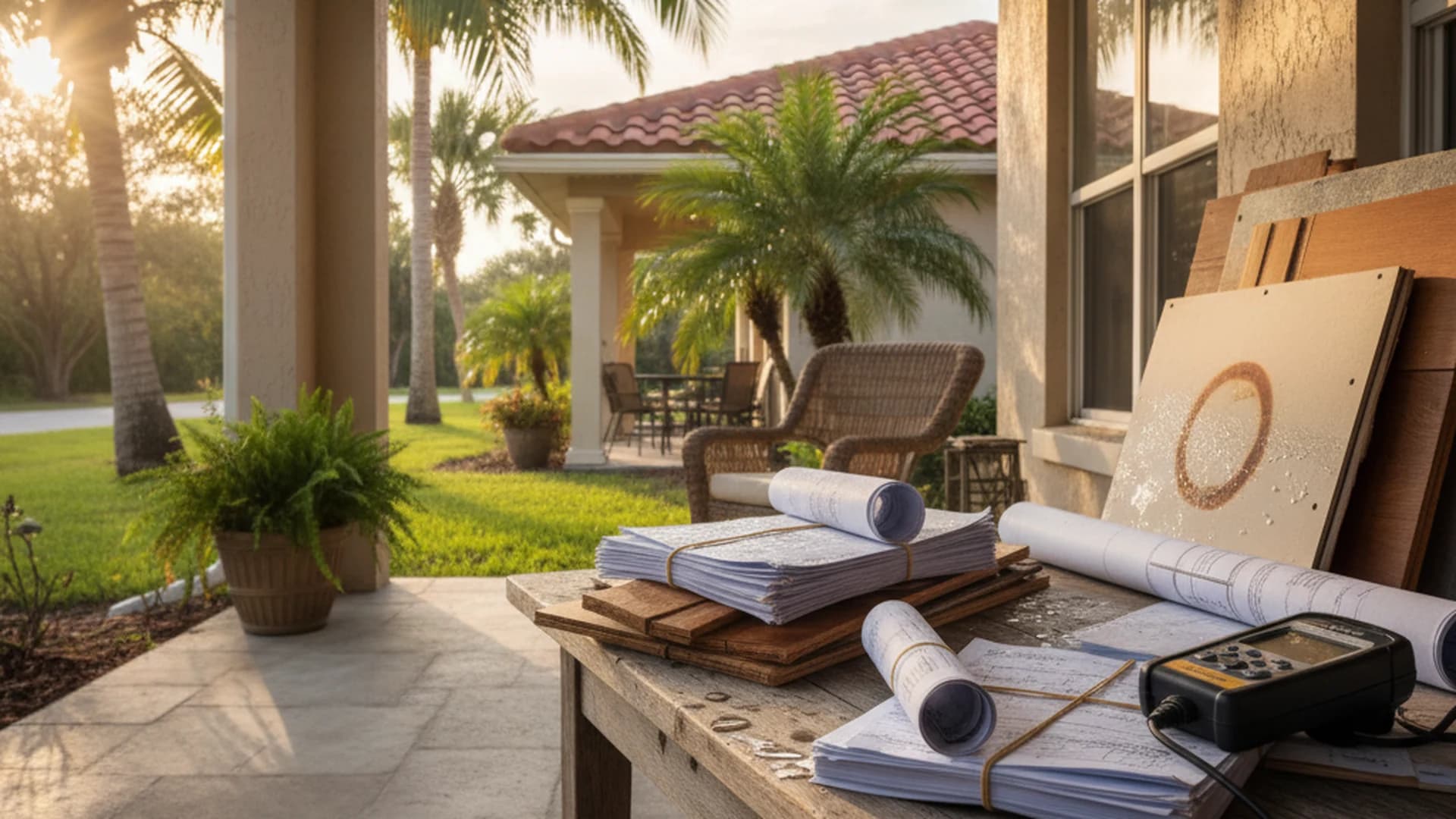
How to document necessity
Category documentation
IICRC category (1/2/3) sets the baseline. Cat 2+ water = porous materials removed.
Moisture readings
- Subfloor moisture content above equilibrium
- Behind-wall cavity readings
- Under-cabinet readings
- Insulation moisture content
Industrial hygienist report
- Affected materials list
- Contamination assessment
- Remediation protocol per IICRC
- Clearance criteria
Code citation
Florida Building Code requires replacement of certain materials when:
- Structural integrity is compromised
- Electrical safety is affected
- Plumbing repair requires access
Photo evidence
- Moisture staining on back side of materials after initial tear-out
- Mold growth on substrate
- Contamination visible on removed materials
The claim-handling argument
The carrier has paid for the peril. The necessary scope of repair, including tear-out, is part of the loss. A policy that pays for "direct physical loss" pays for the work required to repair that loss.
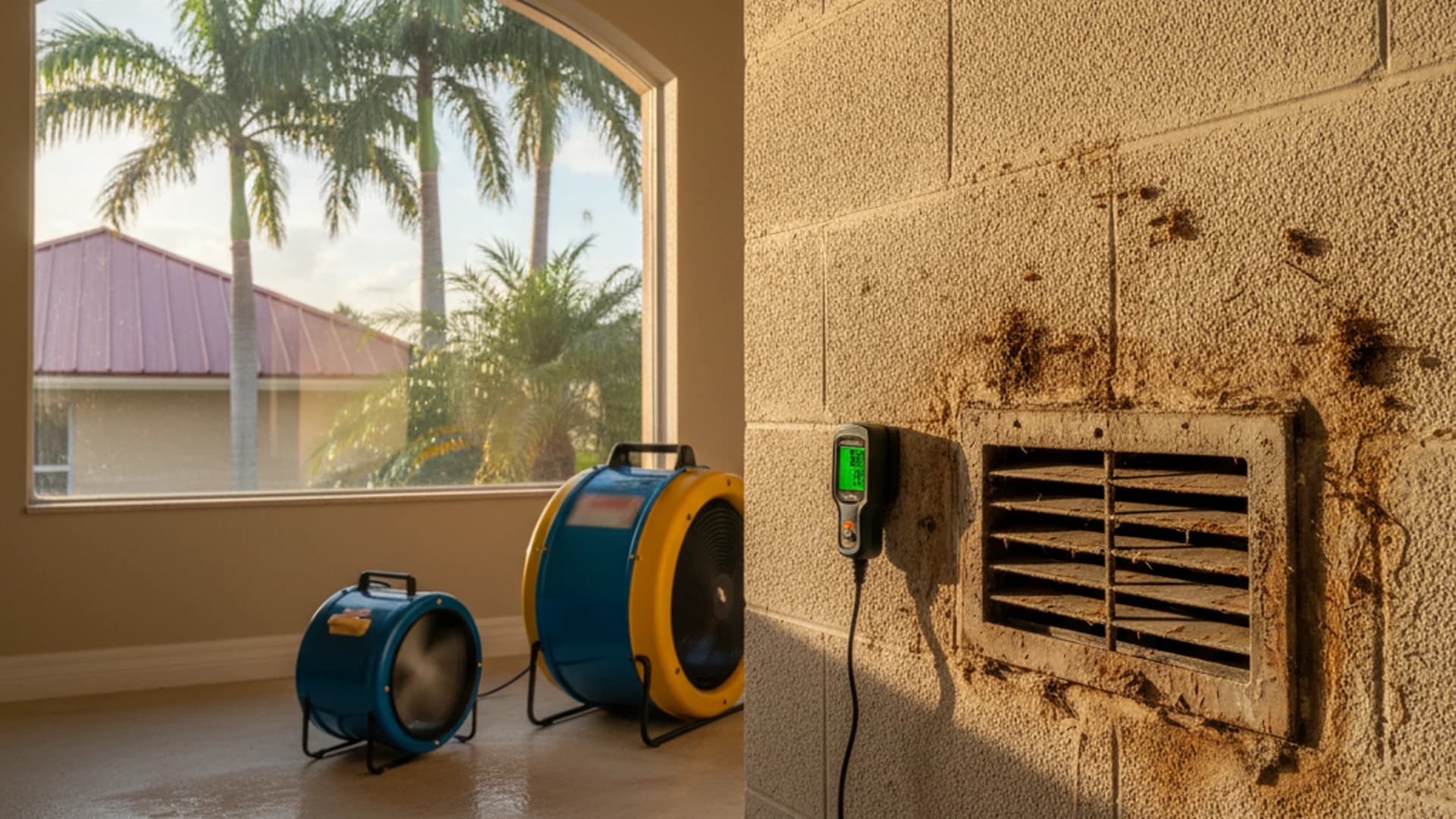
Practical approaches
- Get IH report early: before tear-out starts
- Preserve samples of removed materials for the claim file
- Document moisture post-tear-out: readings on exposed substrate
- Get code-required scope in writing from inspector or contractor
- Claim matching-statute scope where removal forces continuous-area replacement