Counties and cities in the North Florida region
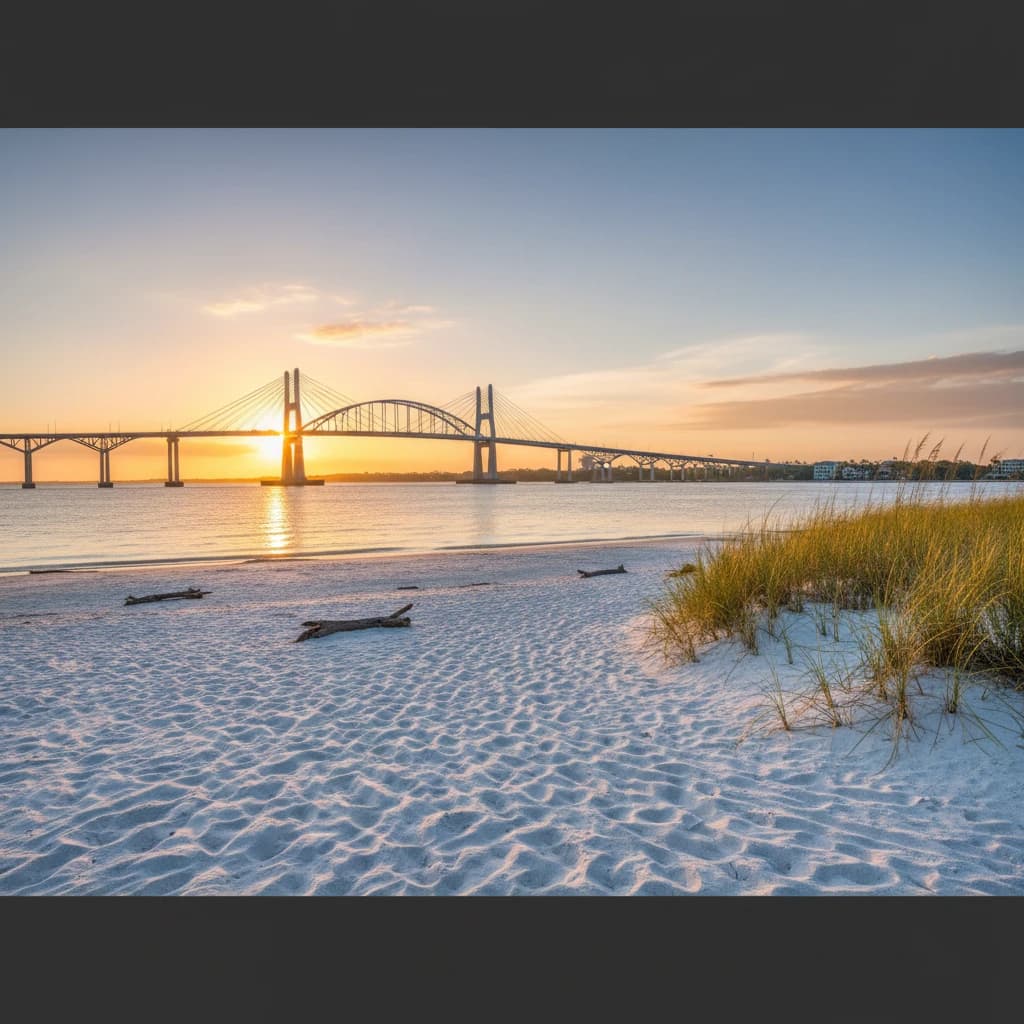
North Florida runs from the Atlantic shore at Jacksonville and St. Augustine, across the inland horse country of Marion and Alachua, and out to the Big Bend, where the Gulf coast bends from Citrus County north toward Wakulla and Taylor. It mixes a dense metro, college towns, and a wide rural interior, and Ocean Point Claims represents policyholders across the whole region, county by county.
- Duval County: Jacksonville and the surrounding First Coast.
- St. Johns County: St. Augustine and the historic Atlantic shore.
- Alachua County: Gainesville and the surrounding university area.
- Marion County: Ocala and the horse-farm interior.
- Levy County: Cedar Key, Williston, and Chiefland, along the Gulf and inland.
- Leon County: Tallahassee and the capital area.
- Columbia County: Lake City at the I-10 and I-75 crossroads.
- Suwannee County: Live Oak and the river communities.
- Taylor County: Perry and the Big Bend coast.
- Citrus County: Crystal River and the Nature Coast.
- Wakulla County: Crawfordville and Panacea on the coast.
North Florida peril profile
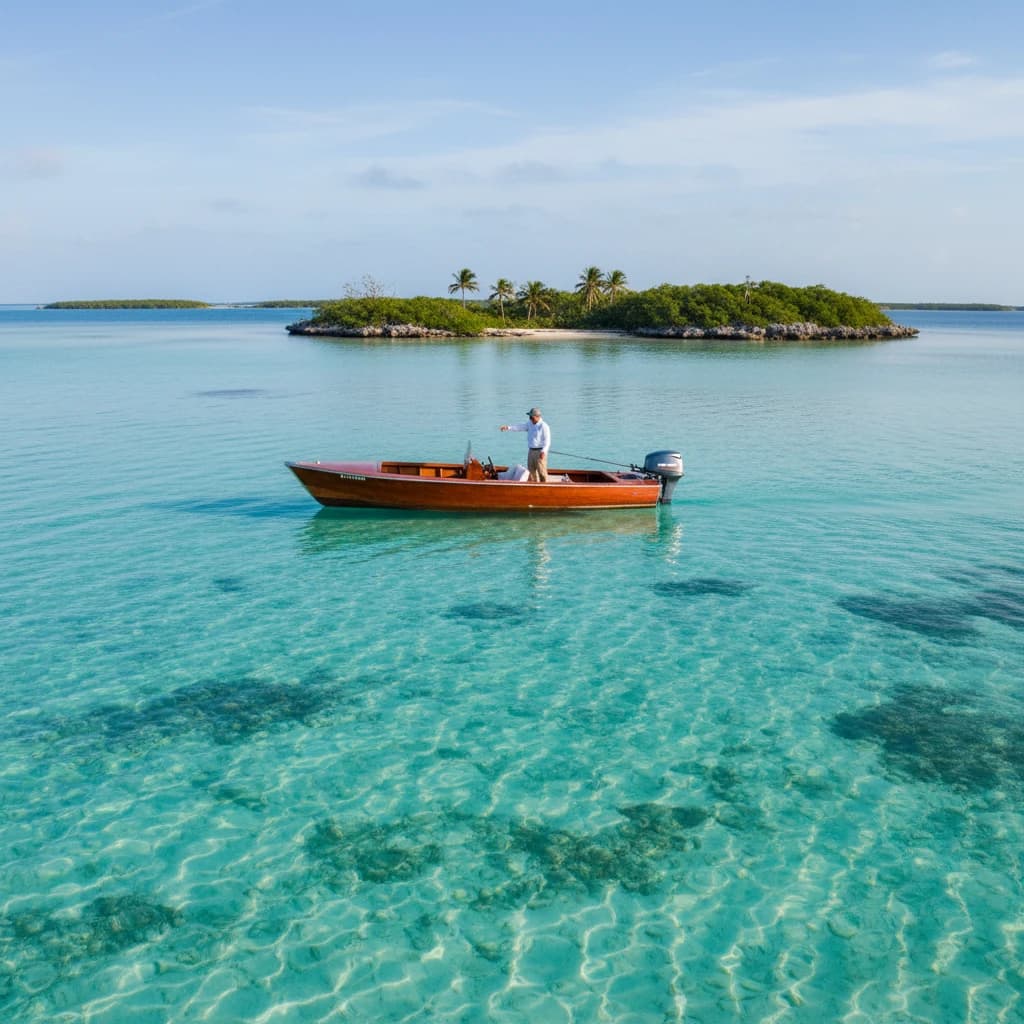
North Florida is really two claim environments. The Big Bend Gulf coast, from Citrus and Levy up through Taylor and Wakulla, took direct hits from Hurricane Idalia (2023) and Hurricane Helene (2024). Both storms pushed Gulf surge into low, flat coastal communities and carried wind damage well inland. Cedar Key, Perry, and the Panacea and Crawfordville shoreline saw the kind of combined surge, wind, and wind-driven-rain losses that produce contested causation and complicated wind-versus-flood allocation. Those claims rarely fit a single neat category, which is exactly why carriers tend to split them apart.
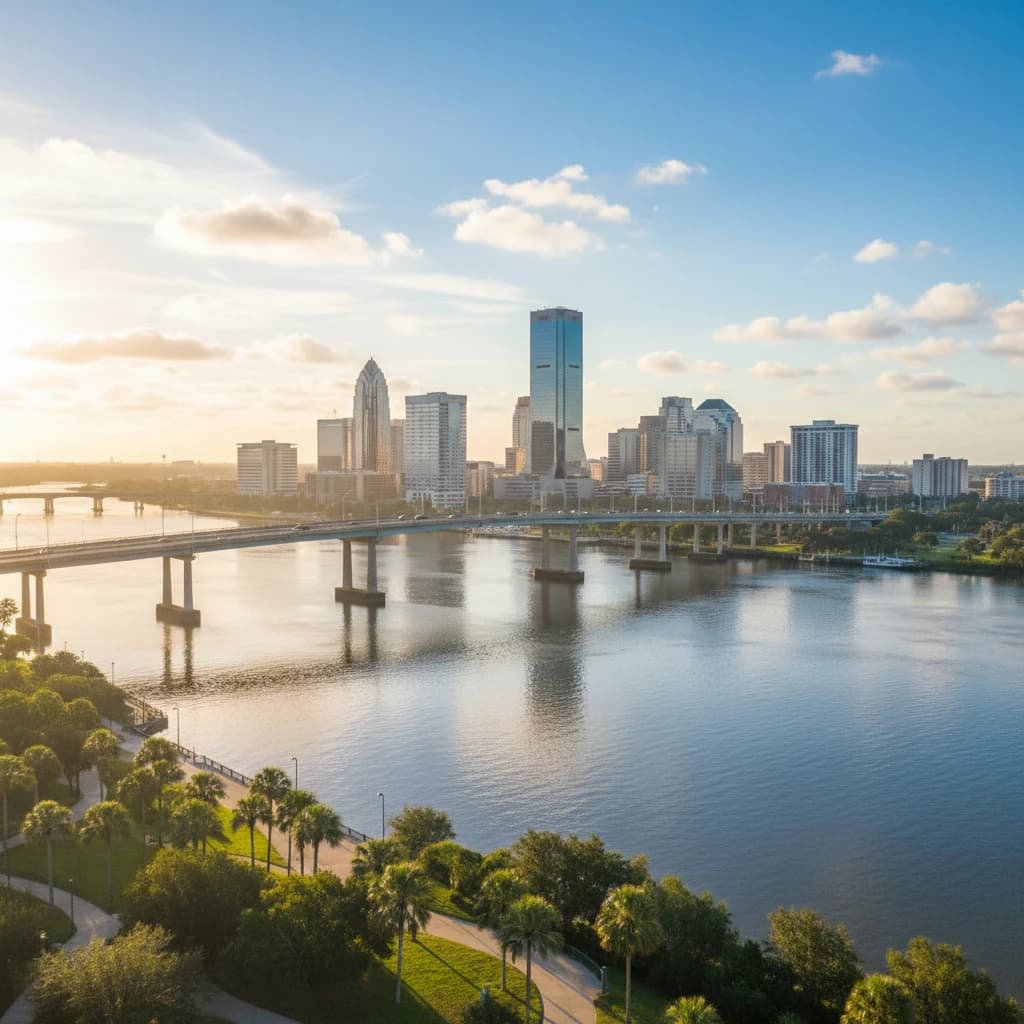
The inland and northeast portions of the region face a different mix. Tallahassee, Lake City, Live Oak, Gainesville, and Ocala see wind, falling trees, and the occasional Atlantic system tracking up from the peninsula. The heavy tree canopy across Leon, Columbia, and Suwannee counties means tree-fall and impact damage are recurring claim drivers here, not edge cases. A single storm can drop mature oaks onto roofs miles from any coast.
Building stock matters too. The rural interior carries older homes, manufactured housing, barns, and agricultural outbuildings, while the Jacksonville metro adds dense suburban subdivisions and commercial property. If your North Florida property took damage, call (888) 824-1306.
Claim types we handle across North Florida
Ocean Point handles the full range of residential and commercial losses here, including hurricane and storm damage and denied or underpaid claims. On the coast that means surge, wind, and roof losses; inland it more often means tree-fall, water intrusion, and structural damage.
Rural and agricultural exposure is a real part of North Florida work. Detached garages, barns, equipment sheds, pole buildings, and other outbuildings are frequently undervalued or left off carrier estimates entirely, even when they are clearly scheduled on the policy. In the Jacksonville metro the mix shifts toward larger residential roofs, condominium and association property, and commercial buildings. We document each structure on its own merits rather than folding everything into a single rounded figure.
Why North Florida claims are commonly underpaid
Underpayment here tends to follow a few patterns. Scope reduction is the most common: a carrier estimate captures part of the visible damage but omits related work, code-required items, or concealed conditions. Causation disputes are frequent on the Big Bend coast, where a carrier may attribute storm damage to wear, age, or excluded flood when wind and wind-driven rain were the real drivers.
Matching is the third pattern. Under Fla. Stat. 626.9744, an insurer generally must account for reasonable matching of materials so a repair does not leave a building with mismatched roof, siding, or finishes. On older rural stock and discontinued materials, carriers often repair a section and ignore the matching obligation. Each of these reductions is contestable with proper documentation, and none of them should be accepted at face value.
How Ocean Point works a North Florida claim
We start with a free policy and claim review. If the claim warrants it, we perform an on-site inspection of every affected structure and build a line-item estimate in Xactimate, the same platform most carriers use, so the numbers can be compared directly rather than argued in the abstract.
We track the carrier against Fla. Stat. 627.70131, which sets the insurer response and payment deadlines. When a carrier underpays or stalls, we use the tools the policy and Florida law provide: appraisal where the policy allows it, mediation, and a Civil Remedy Notice under Fla. Stat. 624.155 where bad-faith conduct is documented. For losses that were closed too soon, or where new damage surfaces later, we pursue supplemental and reopened claims under Fla. Stat. 627.70132.
Fees and your rights
Ocean Point works on contingency under Fla. Stat. 626.854. There is no recovery fee unless we recover for you, and the fee is a percentage agreed in writing before any work begins. Florida law also gives you a 10-day right to cancel a public adjuster contract after signing, or within the statutory window that follows a declared emergency. Ocean Point is a licensed Florida public adjuster, FL DFS #W829547, and we represent policyholders only, never insurers. To talk through a North Florida claim, call (888) 824-1306 or reach us through our contact page.