
How Matthew, Irma, Ian, and Nicole Rewrote Daytona's Claim Map
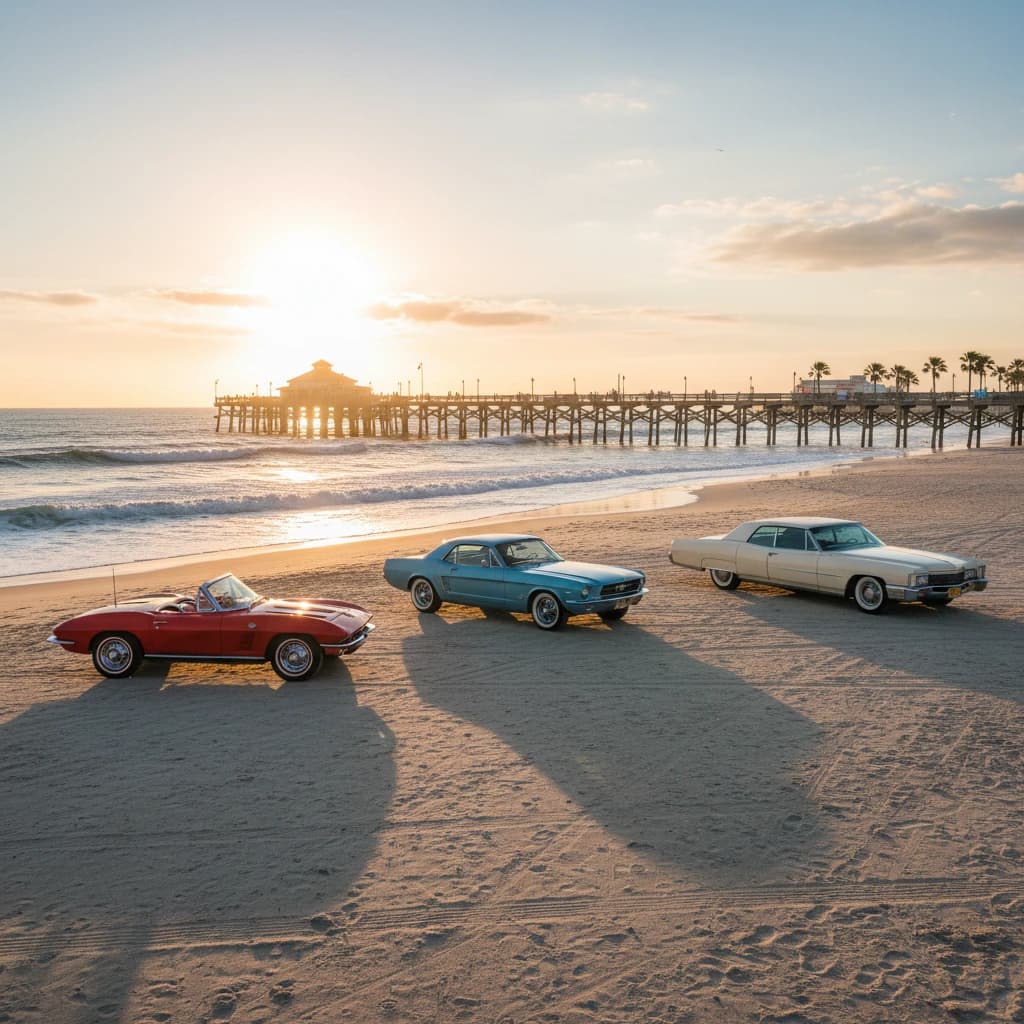
When Hurricane Matthew brushed the Volusia coast in 2016, it set a pattern Daytona Beach homeowners have lived with ever since: wind-driven damage that looks minor from the curb but tears at older roofs, soffits, and window seals. Hurricane Irma followed in 2017, then Ian in 2022 stacked fresh losses on properties that had barely finished earlier repairs. Weeks later, Nicole came ashore in November 2022 and did the most distinctive damage of the four, scouring the dune line and undercutting oceanfront foundations along the hard-packed beach. Nicole's storm-surge erosion left some beachfront buildings structurally compromised rather than merely wet, and those claims behave nothing like a standard wind file. Because each storm hit a stock that was already aging, many Daytona Beach losses are layered: a roof weakened in 2016 fails outright in 2022, and the carrier wants to call the newest damage "pre-existing wear."
Why a Mid-Century Beach Town Produces Tangled Losses
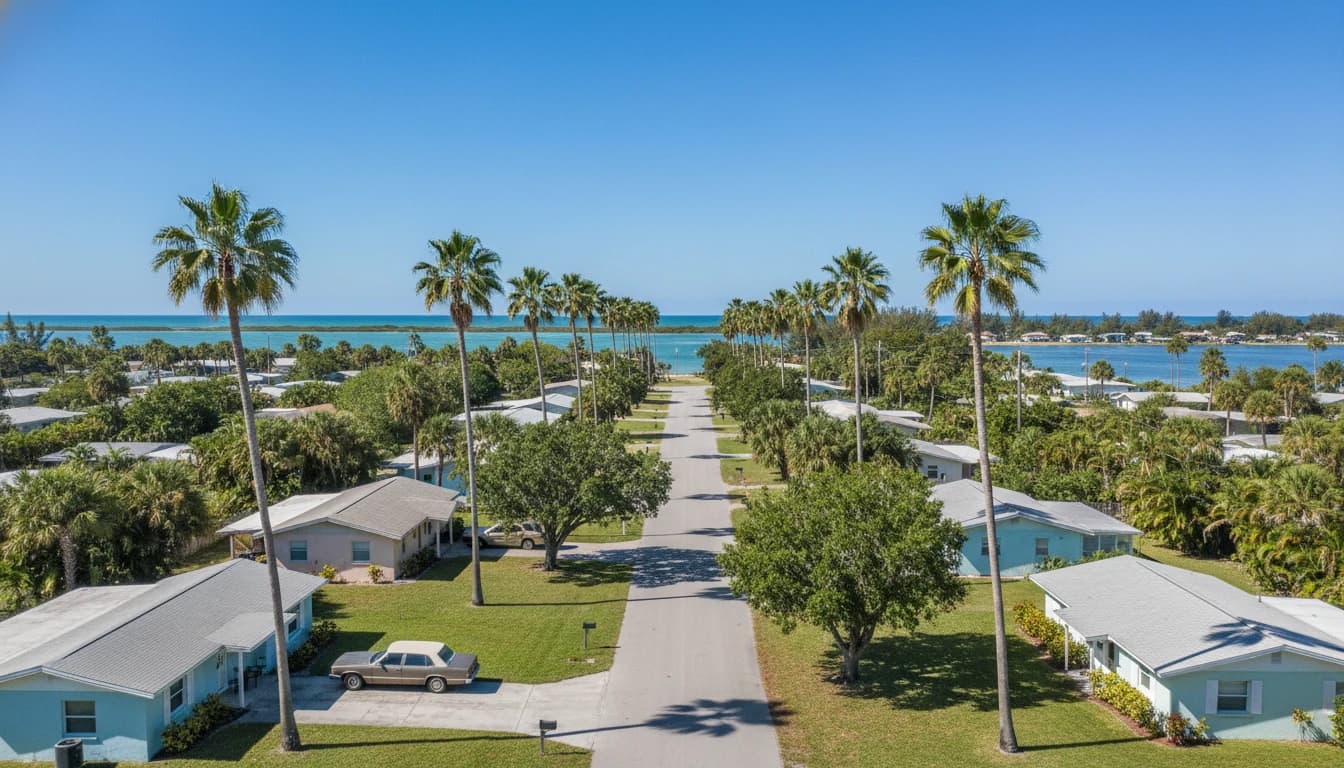
Daytona Beach is Volusia County's largest city, and its central neighborhoods are full of mid-century single-family homes built long before current code. Those houses carry older roof systems, original shingle and tile runs that are no longer manufactured, and trim profiles that cannot be matched piece for piece. That makes matching the central fight: when a storm damages one slope or one elevation, replacing only the broken section leaves a checkerboard the rest of the roof or wall will never match. Move toward the historic boardwalk and pier on the oceanfront, and the picture shifts to condominiums, where the line between the association's master policy and a unit owner's HO-6 coverage decides who pays for what. Salt air, the inland Speedway corridor, and direct beachfront exposure each add their own wrinkles. Sorting unit damage from common-element damage, and proving that a partial repair will not restore uniform appearance, is where Daytona claims get complicated fast.
Claims We Handle Across Volusia County
We work the full range of property claims for Daytona Beach and the surrounding Space Coast region: hurricane and wind damage, roof claims, sudden water losses and the mold that follows, fire and smoke, and the condo and HOA disputes that come with beachfront buildings. We also take on commercial property and business-interruption claims along the tourist and Speedway corridors, plus the files that need the hardest push, denied claims, underpaid settlements, and supplemental claims for damage the first inspection missed. Whether you own a single-family home in a central neighborhood or a unit on the oceanfront, the approach is the same: document everything, value it correctly, and hold the carrier to the policy. Ocean Point Claims (Florida DFS license #W829547) represents you, the policyholder, never the insurance company.
Where Daytona Settlements Fall Short
Underpayment in Daytona Beach usually traces to three moves. The first is scope reduction: the adjuster writes a repair estimate that quietly omits code-required items, drip edge, underlayment, or full tear-off, so the number lands well below what the job actually costs. The second is the causation dispute, where storm damage on an older roof gets reclassified as age and wear so the carrier can deny or depreciate it. The third, and the costliest on this stock, is missed matching: Florida law (Fla. Stat. 626.9744) requires comparable materials and a reasonably uniform appearance, yet on irreplaceable mid-century roofs and trim the carrier still tries to pay for a patch. On layered Matthew-through-Nicole losses, separating new damage from old is exactly the argument the insurer leans on, and exactly where a documented file wins.
How Ocean Point Builds a Daytona Beach Claim
It starts with a free review of your policy and your loss. From there we inspect the property on-site, read the full policy including endorsements and exclusions, and build a line-item Xactimate estimate that captures matching, code upgrades, and the full scope, not a stripped-down version. We submit and negotiate the claim under Florida's prompt-pay rules (Fla. Stat. 627.70131), which set the clock the carrier must answer to. When an insurer digs in, we escalate through appraisal, mediation, or a Civil Remedy Notice under Fla. Stat. 624.155 for bad-faith conduct. If newer damage surfaces after the first payment, the supplemental window under Fla. Stat. 627.70132 keeps the door open, which matters on properties that have absorbed four named storms in under a decade.
Fees, Timing, and Talking to a Public Adjuster
In Florida, public adjusters work on contingency under Fla. Stat. 626.854, so our fee is a percentage of what we actually recover, no recovery, no fee, and nothing out of pocket to get started. You also have a 10-day right to cancel after signing. There is no cost and no obligation to find out whether your settlement is short, and we will tell you honestly if the carrier already paid fairly. Call (888) 824-1306 for a free, no-obligation review, reach us through our contact page, or see every area we cover on our locations page. We serve Daytona Beach as part of our Florida statewide public adjuster practice.