
By Anthony Barber · FL DFS #W101847 · Reviewed: · 1 min read
The mitigation contractor's incentives
Mitigation contractors are incentivized to:
- Maximize scope of drying equipment and days on-site
- Maximize tear-out quantity
- Charge at their own rate schedule (often exceeding Xactimate)
- Bill the carrier directly where possible (often via AOB)
The carrier's incentives
Carriers are incentivized to:
- Minimize approved scope
- Pay Xactimate rates (often below contractor rates)
- Challenge unnecessary equipment / drying days
- Direct policyholders to "preferred vendors" with negotiated rates

Where the conflict lands on the policyholder
- Contractor invoices that exceed the carrier's approved amount
- AOB signed to the contractor, foreclosing direct policyholder relationship
- Carrier delays on mitigation approval, leading to more damage
- Competing scope opinions mid-remediation
What policyholders should do
- Do NOT sign an AOB without review. The contractor can be paid without an AOB. AOBs transfer your claim rights: read carefully, consult a public adjuster or attorney.
- Get the mitigation scope approved in writing before it starts. The carrier should issue a written mitigation authorization with approved scope and daily rates.
- Keep the scope log. Every day, document what equipment was running, how many air movers / dehumidifiers, what readings were taken.
- Confirm drying goals. IICRC standards require drying to specific moisture benchmarks; document when benchmarks are reached.
- Retain copies of all invoices. Contractor billing to the carrier should match approved scope.
When conflicts become claims issues
- Contractor sues policyholder for balance after carrier payment falls short: common
- Carrier disputes days-on-site or equipment count: document the log
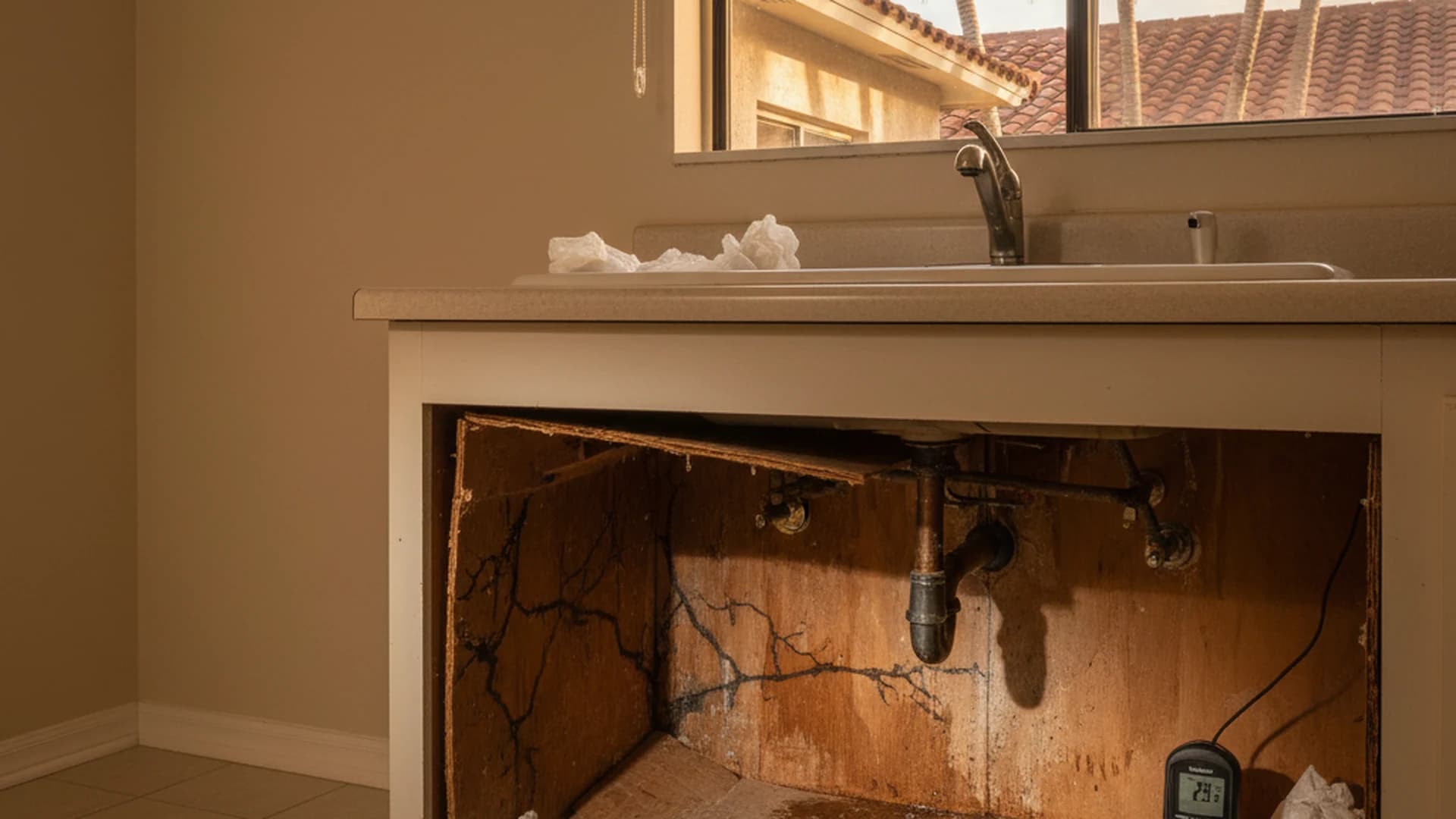
- Contractor does unnecessary tear-out: IH report can defend necessary tear-out
- Policyholder caught between both: public adjuster mediates
How Ocean Point positions the policyholder
We work with mitigation contractors on scope-definition pre-work, document the mitigation daily for the claim file, coordinate with the carrier on authorization, and ensure the policyholder retains claim rights (no AOB, no loss-of-rights agreements).