By Eli Goins · FL DFS #P159790 · Reviewed: · 1 min read
IICRC framework
IICRC S500 (water) and S520 (mold) provide remediation standards that fire-restoration industry also references. Key principles:
- Porous materials generally cannot be fully cleaned
- Semi-porous materials may be cleaned depending on exposure
- Non-porous materials typically cleanable
By material type
Drywall (porous)
- Heavy smoke = replace
- Light smoke = clean and seal
Fabric (porous)
- Most upholstery, drapery = replace
- Some textiles cleanable with ozone/thermal fogging
Wood finishes (semi-porous)
- Light smoke = clean and refinish
- Heavy smoke = replace
- Hardwood floors: heat/smoke damage often warrants replacement
Carpet (porous)
- Near always replaced
- Pad always replaced
Contents (varies)
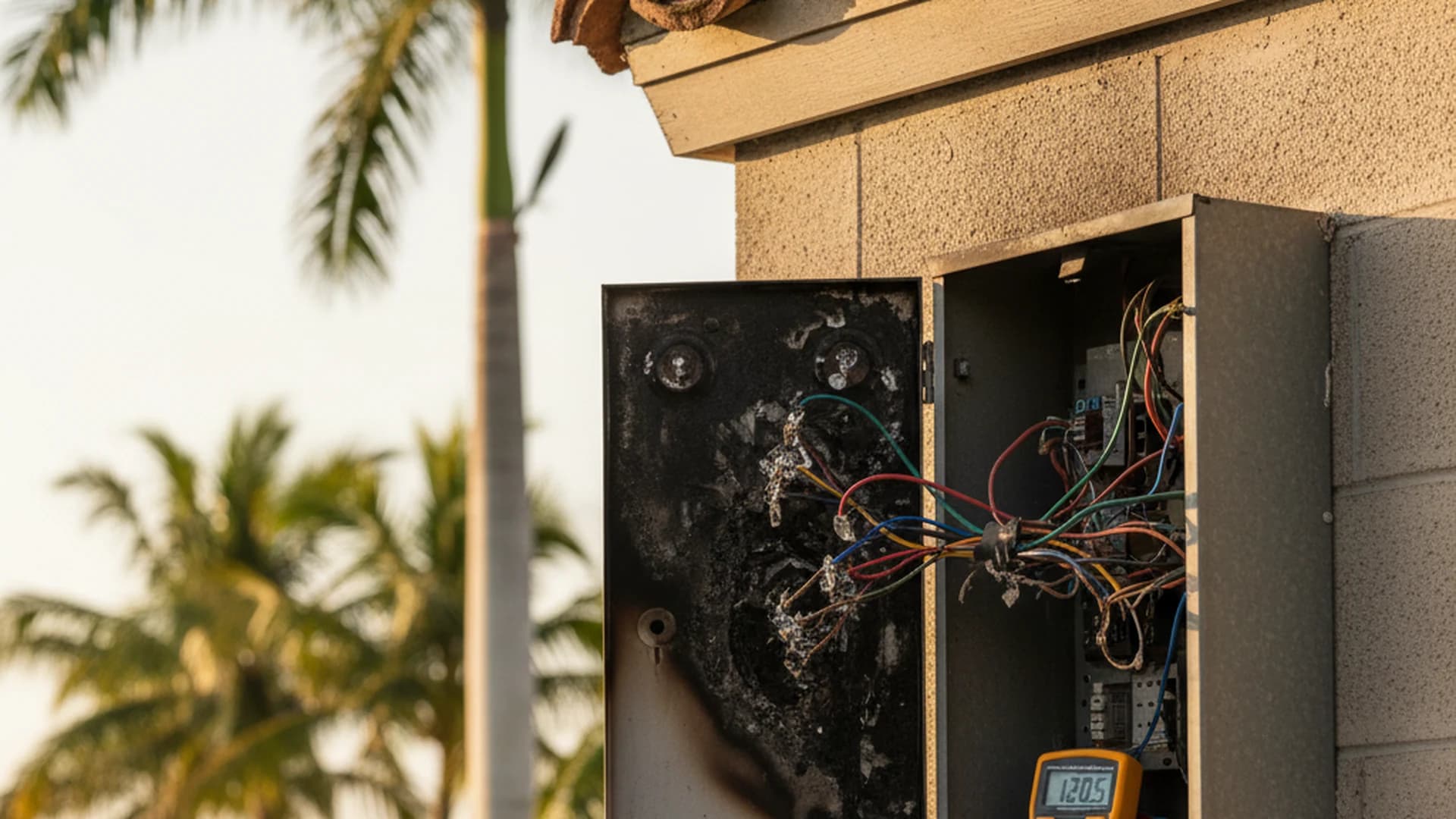
- Electronics typically replace (smoke-damaged circuitry)
- Soft goods replace
- Hard goods clean (often ultrasonic or surface clean)
Cost economics
Cleaning costs can approach replacement costs on heavy-smoke items. Carriers argue cleaning is cheaper; in practice, repeat cleaning + residual odor frequently justifies replacement.
How to document
- IH report on contamination level
- Before/after cleaning attempt documentation
- Residual odor testing
- Contents-specific valuation for replacement
- Manufacturer or restoration specialist statements