
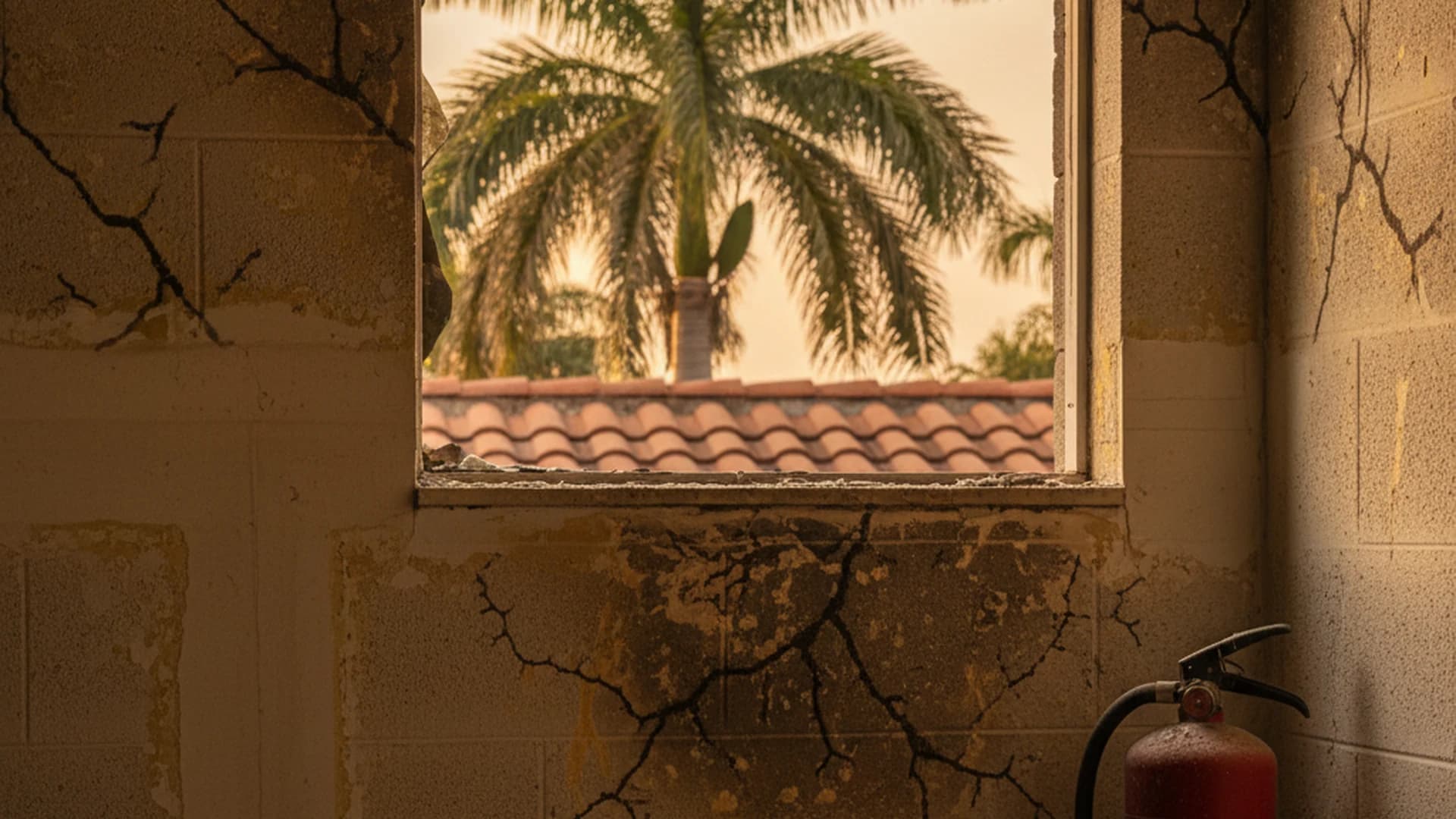
Florida fire & smoke claim deep dives
Short answer: Florida fire and smoke damage claims cover far more than visible flames. They include smoke and soot that travel through HVAC systems, odor and residue contamination, contents pack-out, fire-suppression water damage, and loss of use. Recovery depends on documenting hidden damage and proving the full scope your policy actually owes to make the property whole.
A fire claim in Florida is rarely settled by what burned; it is settled by what the smoke, soot, and suppression water touched everywhere else. Once the flames are out, the expensive disputes begin: how far contamination spread, whether residue can be cleaned or must be replaced, and what your policy owes to restore the property to its pre-loss condition.
The damage you cannot see is where claims are won or lost
Smoke does not stay in one room. It migrates through HVAC ductwork, settles into insulation, and leaves acidic soot on surfaces that look untouched. Insurers frequently scope only the obvious char and overlook hidden soot contamination, lingering smoke residue, and odor that returns after a surface cleaning. These guides explain how to read migration patterns, when testing supports replacement over cleaning, and how to push back when an odor removal estimate stops short of the real source.
Scope, contents, and partial versus total loss
Two questions reshape most fire settlements: how much of the structure is a true loss, and what happens to your belongings. Partial burn versus total loss decides whether sections are repaired or rebuilt, and it interacts with ordinance or law coverage when current code forces upgrades. On the contents side, a proper pack-out and room-by-room inventory protects you from lowball valuations, while fire-suppression water damage is a second peril that must be documented separately before it turns into mold. If the home is unlivable, additional living expense (loss of use) should fund your displacement.
Review your own claim before you accept a number
The fastest way to judge an offer is to compare it against the full scope your policy covers, including structural versus cosmetic fire damage and the line items insurers tend to omit. Ocean Point Claims reviews Florida fire and smoke claims on a no recovery, no fee basis, so the file can be examined before you sign off on anything. Use the guides below to understand the disputes that drive these claims, then get a free review of where yours stands.
- FireCleaning vs. Replacement DisputesFlorida fire claims routinely pit cleaning against replacement. When each is appropriate, IICRC standards, and how to win the dispute.Read more
- FireElectrical System ContaminationFire smoke contaminates electrical wiring, outlets, and panels. Replacement, not cleaning, is typically required. Documenting scope for full recovery.Read more
- FireFire Department Damage CoverageFire suppression causes water damage, broken doors, and structural damage. Florida policies generally cover this as part of the fire loss.Read more
- FireRebuild vs. Restore DisputesHeavy fire damage raises the rebuild-vs-restore question. How to evaluate and recover for the appropriate scope.Read more
Frequently asked questions
Does homeowners insurance cover smoke damage if the fire did not start in my house?
Can the insurer make me clean smoke-damaged items instead of replacing them?
Will my fire claim also cover the water damage from putting the fire out?
What is loss of use coverage after a fire in Florida?
Should I hire a public adjuster for a fire claim, or handle it myself?
Ready to talk to a licensed Florida public adjuster?
☎ (888) 824-1306Free claim review. No recovery, no fee. Answered 24/7.
Get a free claim review- License
- FL DFS #W829547
- Experience
- 21 years · 500+ mediations
- Rating
- 4.9★ (89 Google reviews)
- Fee
- No recovery, no fee