
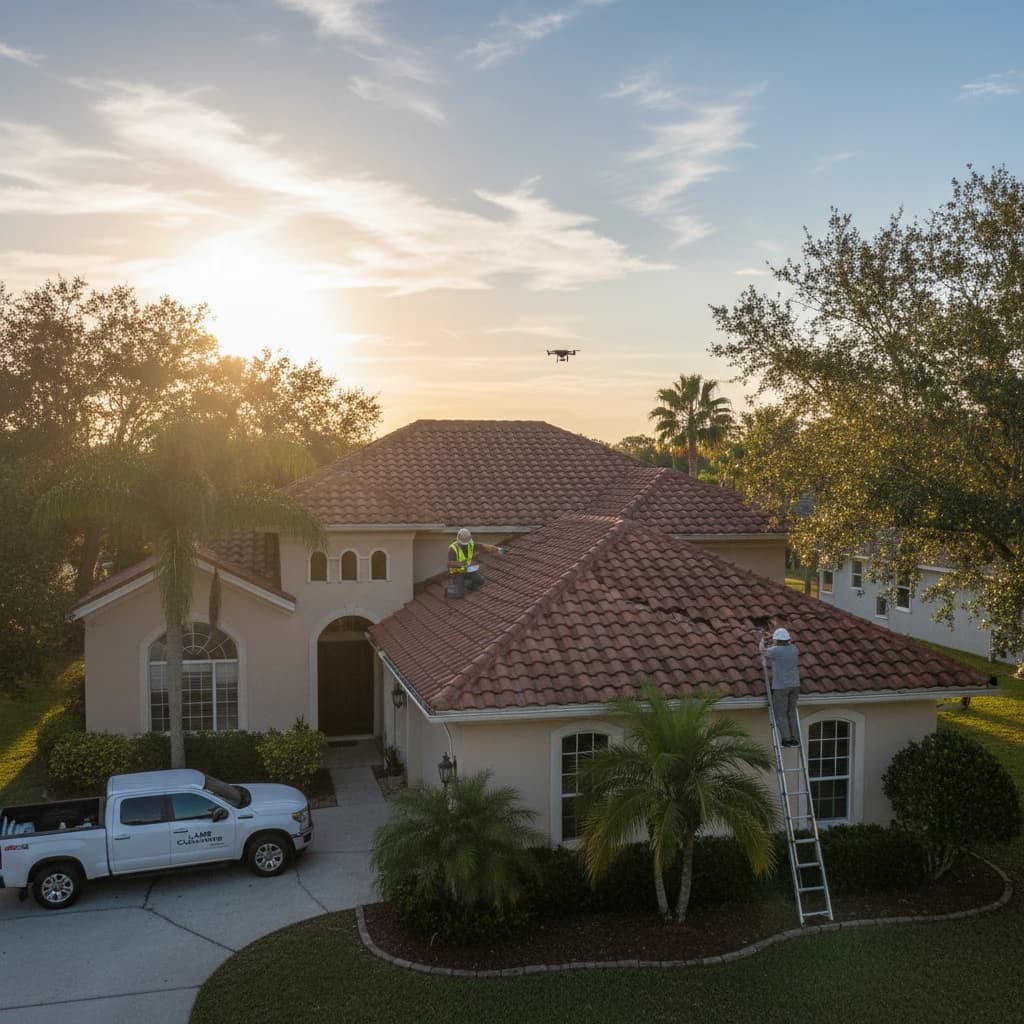
Short answer: Inland Sebring homes take real roof damage from Central Florida wind and rain bands, but carriers often assume Highlands County losses are minor and underscope them. Subtle shingle uplift, flashing separation, and underlayment moisture are the items to document to protect a roof claim.
Why inland roof claims get undervalued
Sebring sits inland in Highlands County, so it avoids most direct coastal landfalls. Carriers sometimes treat that as a reason to assume less damage. But high wind gusts and extended rain bands crossing Central Florida stress roofing systems hard, often without the dramatic, visible destruction a coastal home shows. The result is a roof that is genuinely compromised but easy to underscope.
Common roof damage after Sebring storms
- Shingle uplift not visible from the ground
- Flashing separation around vents and valleys
- Small punctures from windborne debris
- Underlayment moisture intrusion below intact-looking shingles
Because the damage looks subtle, a quick inspection can miss most of it. The difference between a denied claim and a full roof replacement is usually documentation, not the facts.
What to document
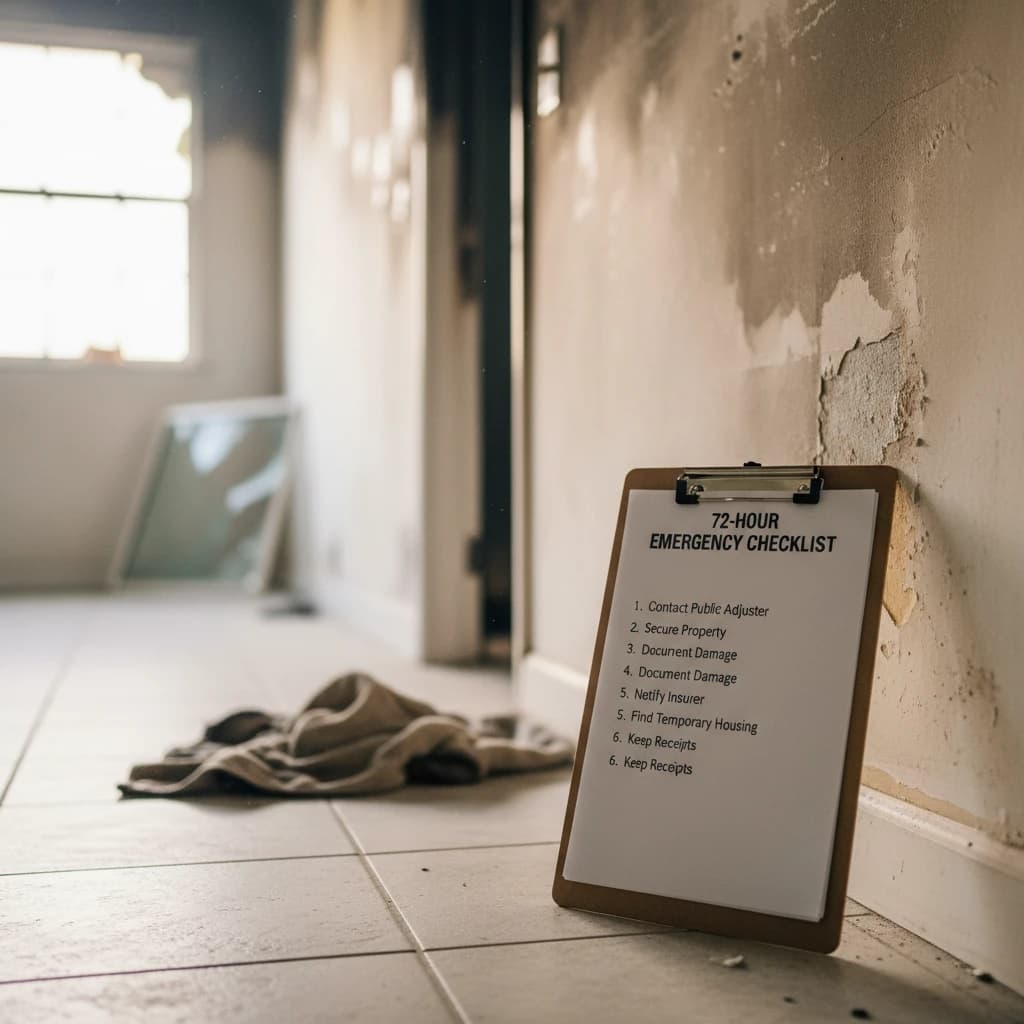
- Photograph the roof and attic, including any daylight or moisture at the deck.
- Record interior water staining and the date it appeared.
- Keep independent contractor estimates, not just the carrier's number.
- Note the storm date and tie it to the loss.
Why "wear and tear" is the carrier's favorite defense
The most common reason a Sebring roof claim is reduced or denied is recharacterization: the carrier calls storm damage age-related wear, which most policies exclude. In Highlands County, where roofs bake in heat and humidity year-round, that argument is easy to make and hard to rebut after the fact. The counter is contemporaneous evidence, photos tied to the storm date, an attic inspection showing fresh underlayment moisture, and a roofer's report distinguishing impact and uplift from ordinary aging.

The statutes that apply
Roof claims carry their own clock: under Fla. Stat. 627.70132 a new roof claim must be reported within 1 year of the date of loss and a supplemental within 18 months. If a partial repair would leave mismatched shingles, Fla. Stat. 626.9744 (matching) can require a uniform slope. The carrier still owes the 7-day acknowledgment, 30-day inspection, and 60-day pay-or-deny deadlines under Fla. Stat. 627.70131, with statutory interest on a late payment.
What an honest roof estimate includes
A complete roof scope is more than shingles. It accounts for underlayment, drip edge, flashing, ridge and starter courses, code-required secondary water barrier under ordinance-or-law, and overhead and profit where a contractor is needed. A partial-repair offer that omits these is where Sebring claims most often fall short.
Before the adjuster arrives
You set the tone of a Sebring claim before the inspection by being prepared:
- Have your own dated photos of the roof, attic, and any interior staining ready.
- Get an independent roofer's written assessment, so the carrier's adjuster is not the only opinion on record.
- Note the storm date and any neighbors with confirmed claims from the same event.
- Review your declarations page for your deductible and any roof-specific endorsement or schedule.
Walking the roof with the adjuster and pointing out uplift and flashing separation directly often changes what makes it into the estimate.
What to do next
If a Sebring roof claim was partially approved or minimized, an independent inspection and estimate often reveal the full scope. Ocean Point's Highlands County adjusters work no recovery, no fee under Fla. Stat. 626.854. Call (888) 824-1306 or request a free claim review.