
By Eli Goins · FL DFS #P159790 · Published: · Updated: · 2 min read
When to document
Before the storm (ideal)
Photograph the property pre-season. This becomes your pre-loss baseline.
Immediately after (critical)
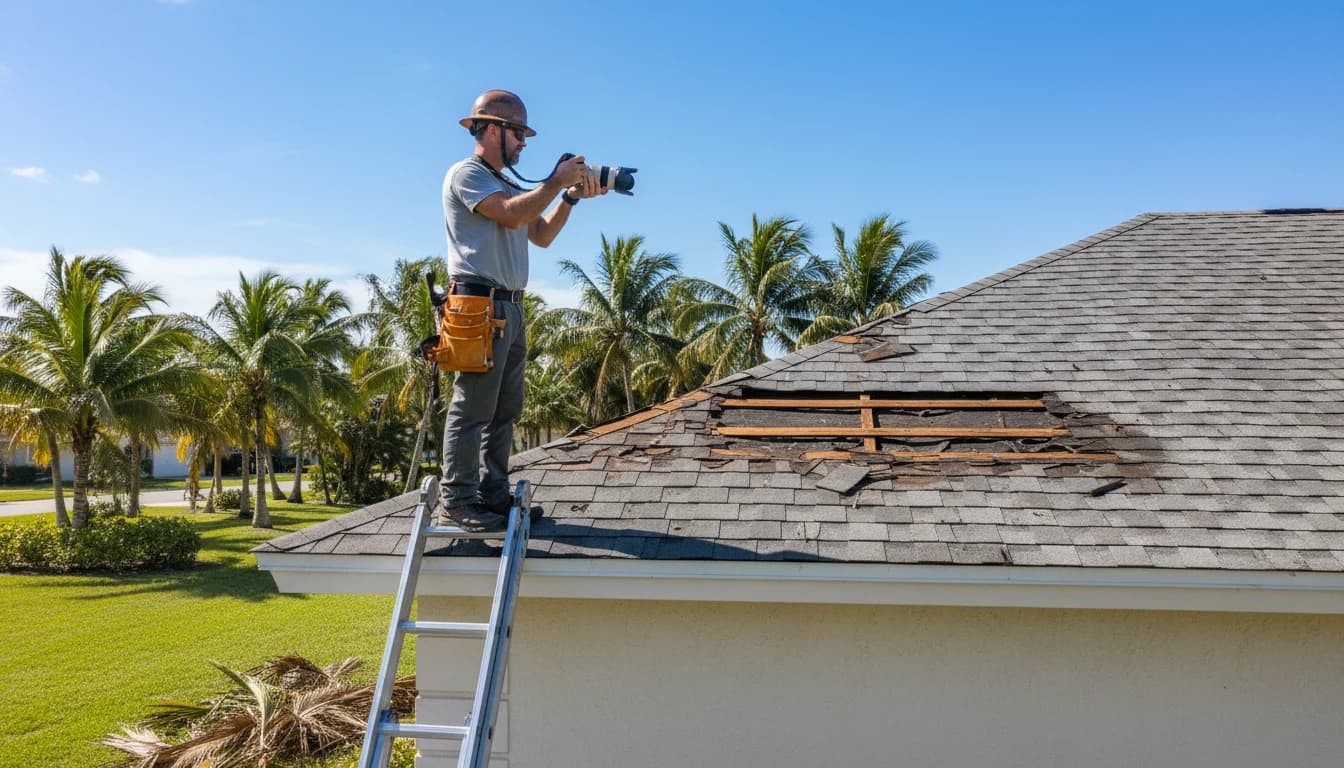
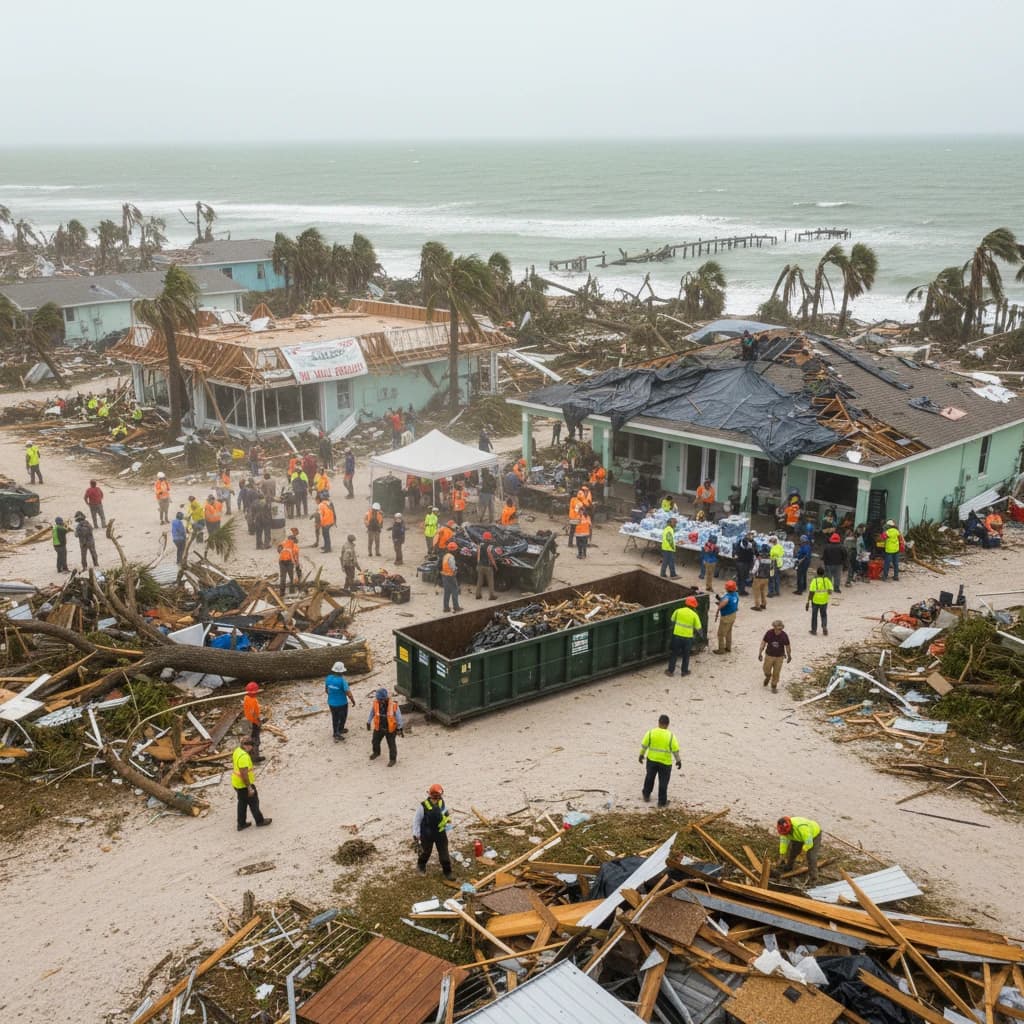
Document damage before any mitigation. Once tarps, board-ups, or drying equipment go up, the evidence changes.
During mitigation
Document each phase: what was removed, what was exposed, what moisture readings showed.
After mitigation / during repairs
Document hidden damage discovered during tear-out.
What to capture
Exterior
- Every elevation (north, south, east, west)
- Roof from ground level and drone (multiple angles)
- Fascia, soffit, eaves
- Windows and doors
- Siding at every elevation
- Foundation and waterline
- Driveway, walkways, landscaping
- Pool, pool cage, pool equipment
- Detached structures (shed, garage, fence)
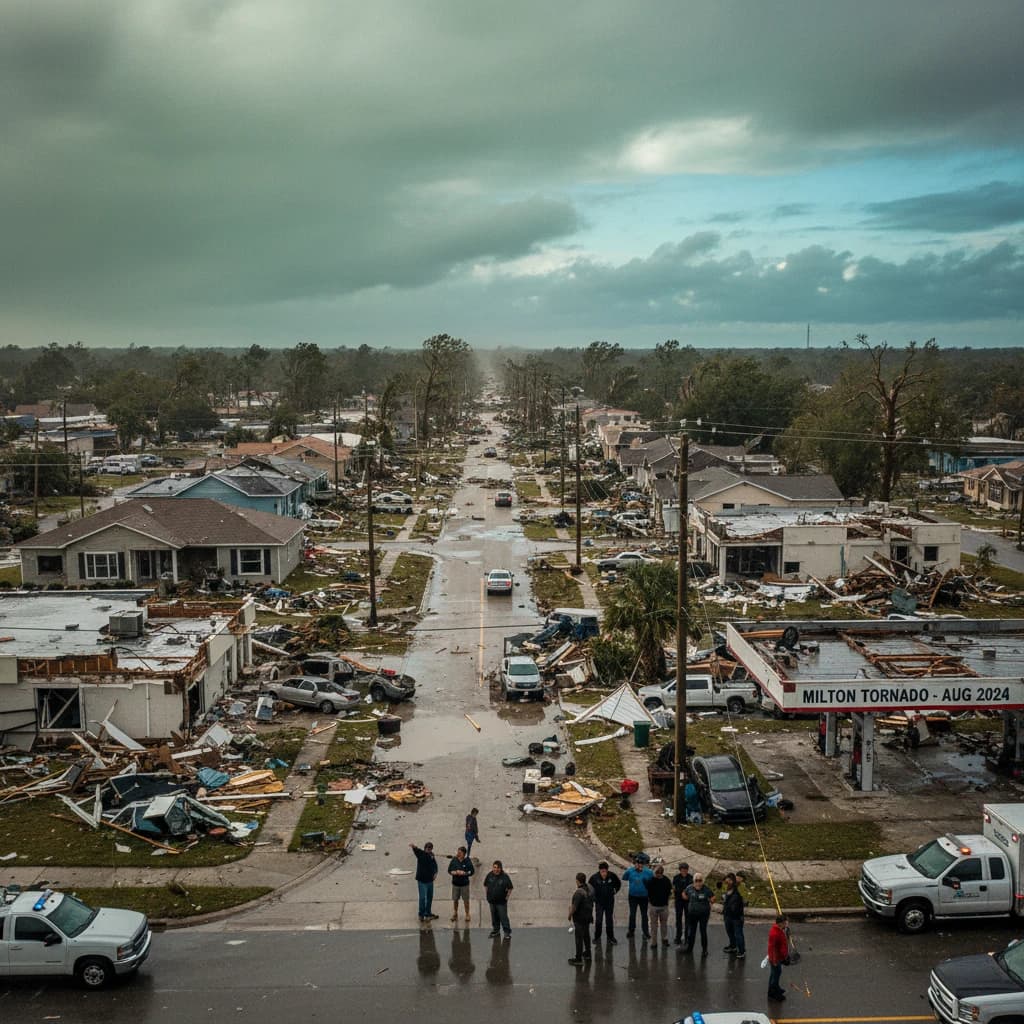
- Street and neighboring properties for context
Interior
- Every room (wide, medium, close-up)
- Ceiling and floor of every room
- Wall damage from multiple angles
- Cabinet and closet interiors
- Attic (ladder access, then photos of damage)
- Crawlspace if accessible
- Utility areas
- HVAC closet, water heater closet
- Garage interior
Contents
- Room-by-room
- Open drawers, cabinets, closets
- Serial numbers on appliances, electronics
- Furniture from multiple angles
- Clothing, textiles, soft goods
- Art, collectibles, high-value items
Water damage specifically
- Moisture meter readings
- Thermal imaging where available
- Wet drywall, flooring, subfloor
- Behind baseboards if opened
- Attic insulation moisture
How to capture
Still photos
- Phone camera is fine
- Natural light preferred
- Multiple angles of each area
- Wide, medium, and close-up of each damage area
- EXIF data preserved (don't edit/crop before cloud-save)
Video
- Walk-through with narration
- Date and address spoken at start
- Slow movement, especially in water-damage areas
- Narration describes what's damaged and how
Drone (for roofs)
- Full roof from 4 directions
- Closer passes for specific damage
- Ridge lines, valleys, flashings, penetrations
- Altitude noted
Organization
Create a structured folder (physical or cloud):
- Pre-loss baseline
- Day of loss
- First week (daily)
- Mitigation phase
- Expert reports
- Scope/estimate documentation
- Contents inventory
- Correspondence
Name files with dates and descriptions.
What carriers commonly miss
- Attic damage
- HVAC contamination
- Hidden moisture in wall cavities
- Under-cabinet damage
- Subfloor moisture
- Roof-decking condition
- Soffit and fascia detail
Document these explicitly.
Backup and preservation
- Cloud backup immediately (multiple services ideal)
- Original files preserved (don't edit)
- Email-to-self as secondary backup
- Printed key images in a physical folder