
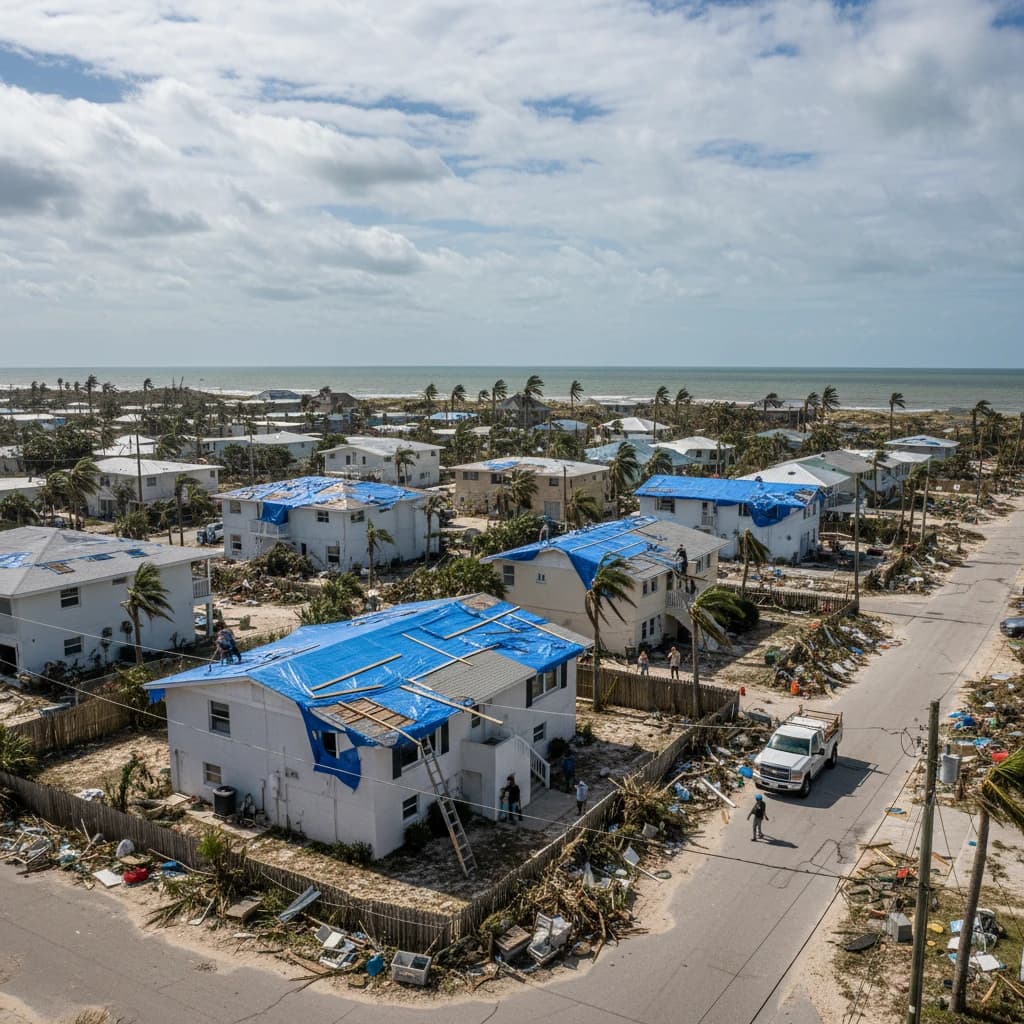
Short answer: A Florida hurricane insurance claim is a first-party property claim governed by your policy's separate hurricane deductible and state law. You must report the loss within one year of the date of loss under Fla. Stat. 627.70132, and the carrier must pay or deny it within 60 days of notice under Fla. Stat. 627.70131.
How Florida's hurricane deductible works
A hurricane claim is not subject to your standard all-other-perils deductible. Florida policies carry a separate hurricane deductible, usually 2%, 5%, or 10% of the dwelling (Coverage A) limit, that applies to losses from a named storm.
On a home insured for $400,000, a 2% hurricane deductible is $8,000 out of pocket before the carrier pays a dollar. That number surprises homeowners more than any other part of the claim, so confirm your deductible on the declarations page before you file.
What hurricanes damage, and what carriers tend to miss
A single storm can produce several distinct losses at once. The damage carriers most often underscope includes:
- Roof shingle uplift and underlayment failure not visible from the ground
- Wind-driven rain entering through a storm-created opening
- Interior water intrusion, drywall, and flooring damage
- Structural movement from wind load or debris impact
- Mold developing days after the water event
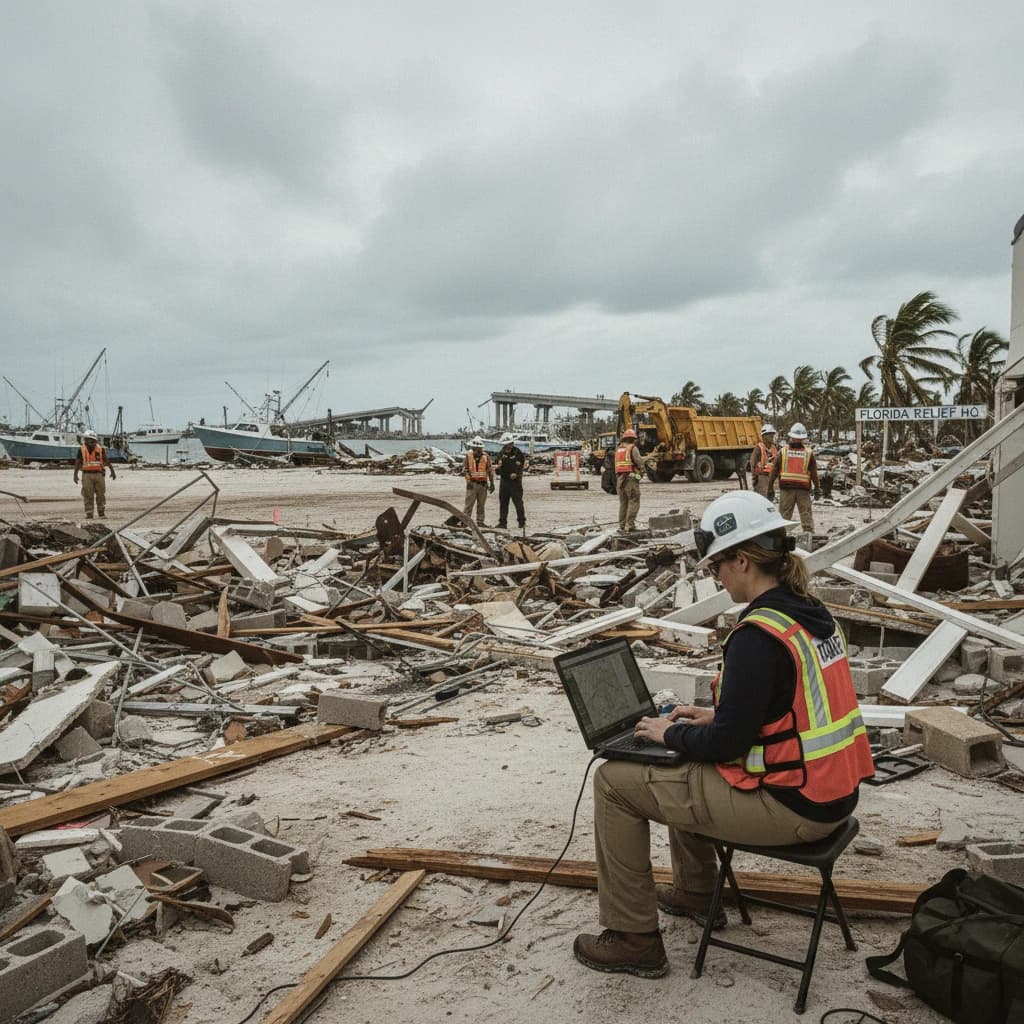
Because the damage is layered, an honest hurricane claim usually requires attic inspection, moisture readings, and a full Xactimate estimate, not a 20-minute walkthrough.
The statutory deadlines that protect you
Florida law puts hard clocks on the carrier under Fla. Stat. 627.70131:
When the carrier blows the 60-day deadline, statutory interest accrues on the unpaid amount from the date of notice. Your own deadlines matter just as much: under Fla. Stat. 627.70132 you must report a new claim within 1 year of the date of loss and any supplemental claim within 18 months.
Matching and code-upgrade coverage
If the carrier replaces 14 of 30 squares of roof and leaves a checkerboard of mismatched shingles, Fla. Stat. 626.9744 (the matching statute) can require a uniform appearance. Separately, ordinance-or-law coverage pays for code upgrades triggered when storm repairs exceed local thresholds, a cost carriers routinely omit from the first estimate.

Wind versus flood: two separate policies
Hurricanes cause both wind and flood damage, and a standard Florida homeowners policy covers wind, not flood. Storm surge and rising water are covered only by a separate NFIP or private flood policy. When a storm brings both, the cause-of-loss line decides which policy pays, and carriers sometimes push wind-driven interior water into the flood bucket to avoid paying. Documenting that water entered through a wind-created roof or window opening, rather than rising from the ground, keeps the loss on the wind policy.
What the carrier's first estimate usually leaves out
Even a reasonable first offer is often incomplete. The line items most commonly missing:
- Overhead and profit (commonly 10% and 10%) when repairs require a general contractor
- Code-upgrade costs under ordinance-or-law coverage
- Matching for discontinued roofing or tile under Fla. Stat. 626.9744
- Additional living expenses while the home is uninhabitable
- Detached structures, fencing, and screen enclosures
On a moderate hurricane claim, these omissions routinely add five figures to the final settlement.
How to document a hurricane claim
- Photograph every elevation, the roof, and the attic within 24 to 72 hours.
- Tarp and mitigate to prevent further loss, and keep every receipt.
- Record damaged contents with model numbers before disposal.
- Get the carrier's estimate in writing and compare it line by line.
How long a hurricane claim takes
Between the 7-day acknowledgment, the 30-day inspection window, and the 60-day pay-or-deny deadline under Fla. Stat. 627.70131, a straightforward claim can resolve inside two months. Disputed claims that go to appraisal or mediation take longer. The statutory clock only runs once you give prompt, written notice, so file early and keep a paper trail.
What to do next
If the carrier's offer does not match the documented scope, a licensed Florida public adjuster can re-estimate the loss and negotiate or escalate. Public adjuster fees are capped by Fla. Stat. 626.854, and Ocean Point works no recovery, no fee. Call (888) 824-1306 or request a free claim review.