
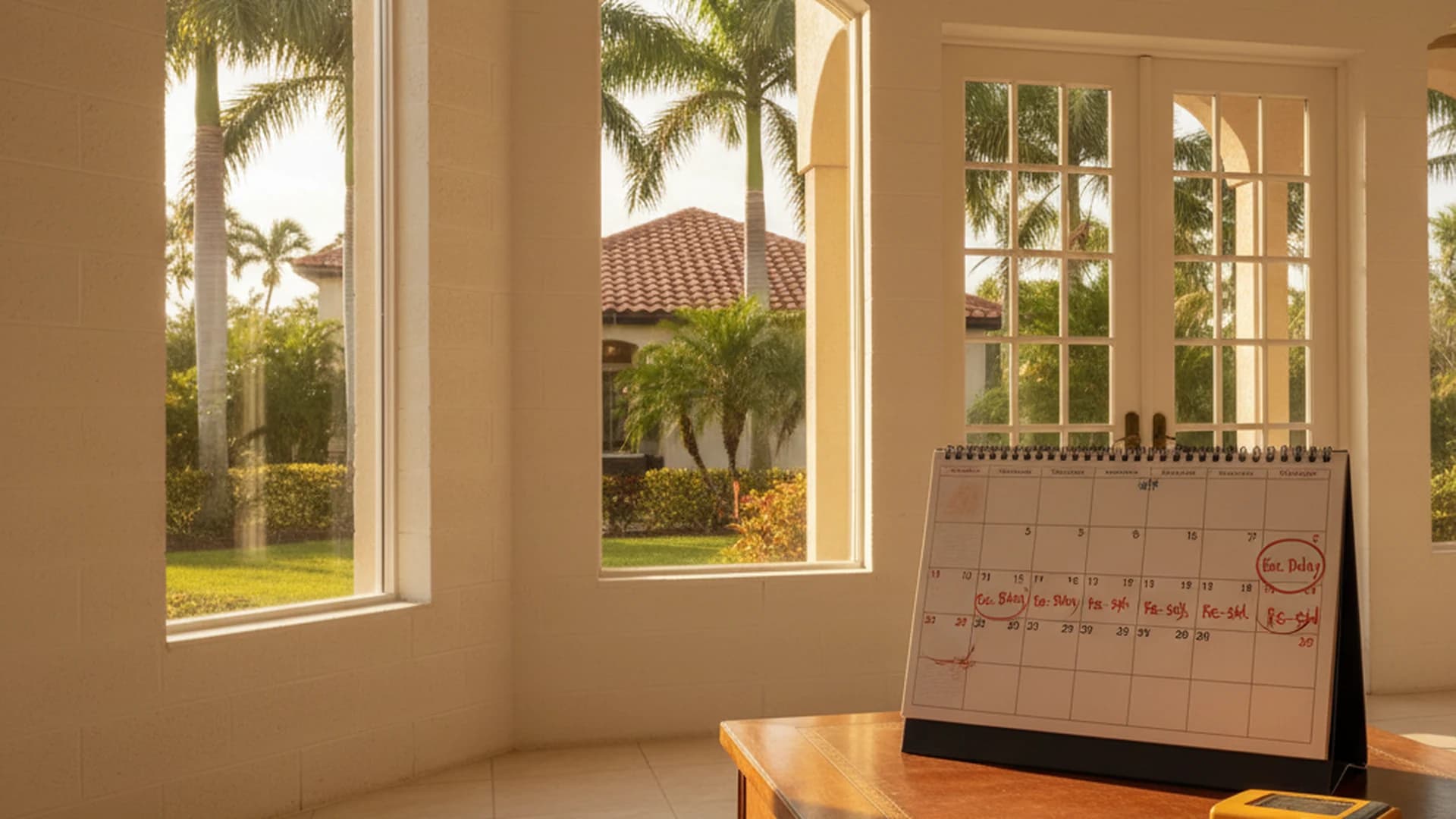
Short answer: According to Fla. Stat. 627.70131, your insurer must acknowledge the claim within 7 days, begin investigating within 7 business days of proof of loss, conduct any physical inspection within 30 days, and pay or deny within 60 days, with statutory interest on late payment. When an inspection is delayed, document damage weekly, mitigate and keep receipts, follow up in writing, and cite the deadline as breaches approach.
Why do post-storm inspections get delayed?
After a major Florida hurricane, carrier catastrophe teams process thousands of claims in a matter of weeks, so field inspections routinely slip 30, 60, sometimes 90 days past the loss. The bottleneck is capacity, not your claim.
- Carrier catastrophe teams process thousands of claims in weeks
- Limited adjuster availability during the peak
- Infrastructure disruption (no power, roads blocked)
- Prioritization by severity and location
Do the statutory deadlines pause after a catastrophe?
No. Fla. Stat. 627.70131 runs from the claim itself, not from the inspection, so a slow inspection does not extend the carrier's obligations.
| Statutory step | Deadline | Source |
|---|---|---|
| Acknowledge the claim | 7 days | Fla. Stat. 627.70131 |
| Begin investigation | 7 business days of proof of loss | Fla. Stat. 627.70131 |
| Conduct physical inspection | 30 days | Fla. Stat. 627.70131 |
| Pay or deny (interest on late payment) | 60 days | Fla. Stat. 627.70131 |
Key takeaway: Major catastrophes may trigger modified deadlines via emergency orders, but the underlying obligations remain.
What should policyholders do during the delay?
Protect the claim on three fronts: document the damage as it changes, mitigate to prevent further loss, and put every communication in writing.
How do you document continuously?
Build a dated record so the file shows the damage before and after the wait.
- Weekly photos of the damage as it evolves
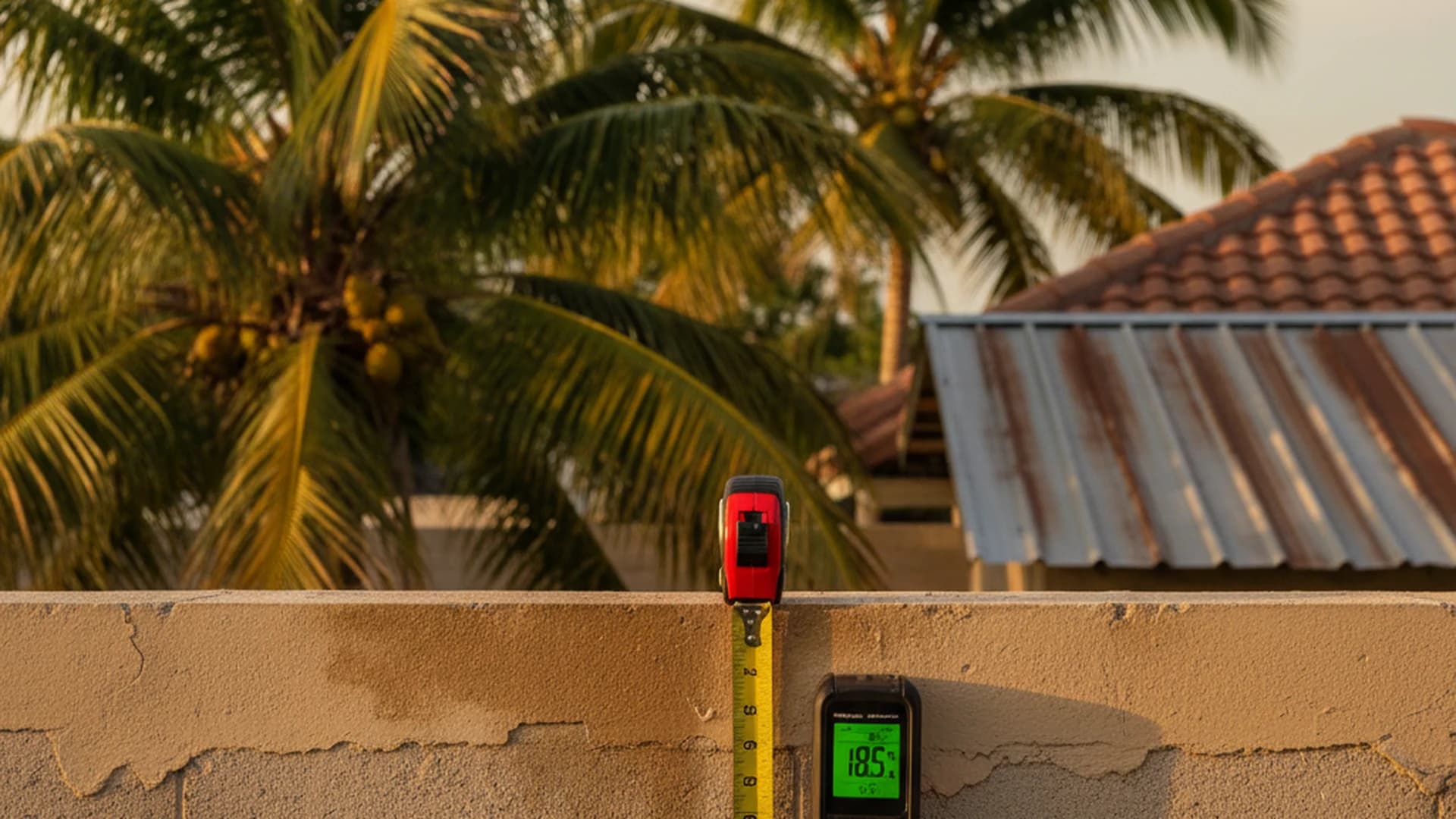
- Moisture readings in wet areas
- Temperature and humidity logs (mold risk)
- Any ongoing damage from delay (secondary water, wind)
Should you mitigate before the adjuster arrives?
Yes. Florida policies require reasonable mitigation, and a delayed inspection is not an excuse to let damage spread.
- Temporary roof tarps
- Board-up
- Water extraction
- Mold prevention (antimicrobial treatment)
- Keep all receipts
Why communicate in writing?
A written trail proves the carrier knew about the damage and the delay, which matters if the claim later moves toward a Civil Remedy Notice.
- Written FNOL confirmation
- Written inspection-delay follow-up (at 14 days, 21 days, 30 days)
- Written deadline citation (627.70131) when approaching breaches
- Written mitigation notice so carrier can't later argue failure to mitigate
When does delay become bad faith?
Delay alone is not bad faith, but a pattern of missed statutory deadlines and ignored follow-up can support a Civil Remedy Notice under Fla. Stat. 624.155, which gives the carrier 60 days to cure before a bad-faith action.
- Multiple missed statutory deadlines
- No response to policyholder follow-up
- Delay-specific prejudice (secondary damage from delay)
- Selective delay vs. other claims in the same area
Can you recover secondary damage caused by the delay?
Usually yes. Damage that occurred specifically because of the delay is typically recoverable when the timeline ties it to the wait.
- Mold development during inspection wait
- Structural deterioration
- Additional water intrusion
- Contents degradation
Document the timeline so the delay-caused damage is clearly attributable.
Who this is for (and when to handle it yourself)
Bottom line: if your inspection slips past the 30-day mark and the damage is minor, cosmetic, and well inside your deductible, you can often manage the follow-up yourself by sending dated photos, keeping receipts, and citing the 627.70131 deadlines in writing. Consider a licensed public adjuster when the delay is producing secondary damage, when the carrier misses the 60-day pay-or-deny window, or when the loss is large enough that a low first estimate would cost you real money. Public adjuster fees in Florida are capped by law (Fla. Stat. 626.854), and you have a 10-day right to cancel the contract.