
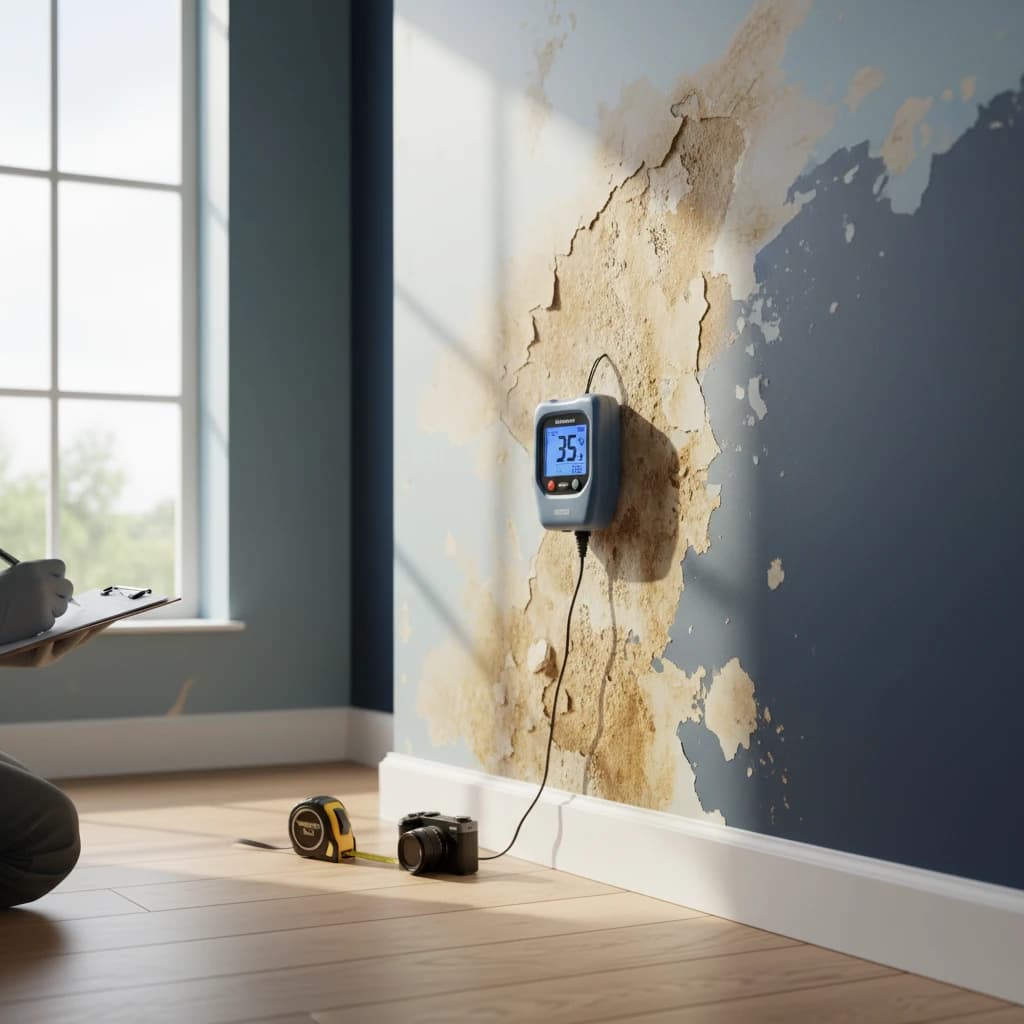
Short answer: Florida water damage coverage hinges on the distinction between sudden-and-accidental discharge (generally covered) and gradual seepage (generally excluded). Post-SB 2A Florida policies commonly cap limited-water coverage at $10,000, have mold sublimits around $10,000, and exclude specific plumbing types like polybutylene. Prompt notice, complete documentation, and expert causation analysis are the keys to full recovery.
The big picture
Florida water damage coverage rules on a few principles:
- Sudden and accidental discharge is generally covered
- Gradual seepage is generally excluded
- Maintenance failures are excluded
- Mold is typically sublimited (often $10,000)
- Post-SB 2A policies frequently cap certain water losses at $10,000
Understanding these principles clarifies most water claim disputes.
Covered water losses
Sudden pipe failures
- Copper pipe bursts
- PEX / CPVC failures
- Galvanized pipe failures at fittings
- Pressure-spike failures
- Supply line failures (washer, dishwasher, ice maker, toilet)
Appliance failures
- Water heater ruptures
- Dishwasher discharge
- Washing machine hose failures
- Refrigerator water line failures
Other sudden events
- Toilet overflow
- Drain backup (if endorsement applies)
- Accidental overflow from plumbing fixtures
Typically excluded water losses
Gradual/seepage
- Slow leaks developing over weeks or months
- Seepage through foundations
- Long-term plumbing failures
Maintenance-related
- Leaks from poorly maintained plumbing
- Damage from failure to repair known issues
Flood (separate)
- Storm surge
- Overland flooding
- Typically excluded from homeowner policy; flood coverage via NFIP or private flood
Pre-existing
- Damage that existed before the policy inception
The $10,000 limited-water cap
Many post-SB 2A Florida policies cap certain water damage at $10,000. Understanding when this cap applies is critical.
When the cap applies
- Typically to specific types of non-hurricane water losses
- Often limited-water endorsement language in the policy
- Sometimes to leaks from plumbing where the carrier argues gradual failure
When it doesn't apply
- Losses arising from a covered peril with broader coverage
- Hurricane-driven water intrusion under hurricane coverage
- Specific endorsements broadening coverage
Review the policy
The cap language will be in your policy's endorsements or limited-water section. Read it carefully.
Mold sublimits
- Typically $10,000 (sometimes higher if endorsed)
- Often applies to consequential mold following water damage
- Sometimes carriers invoke the mold sublimit when the water loss itself supports broader coverage
Specialty plumbing claims
Cast iron drain pipes
Older South Florida homes frequently have cast iron drain pipes approaching end-of-life. When they collapse, the resulting water damage is often covered; the pipe-replacement itself may not be.
Polybutylene supply lines
A plumbing material known to fail at fittings, common in 1970s-1990s homes. Some policies specifically exclude polybutylene; others cover ensuing water damage.
Kitec plumbing
A specific plumbing system recalled for failure. Class action settlements may affect coverage availability.
Galvanized steel
Older plumbing material prone to internal corrosion and leaks. Coverage depends on specific policy language.
The 14-day mitigation window
Most Florida policies require reasonable steps to prevent further damage. Typical time window: action within 14 days of discovery.
What counts as mitigation
- Extracting standing water
- Drying affected materials
- Tarping damaged roof
- Removing saturated insulation and drywall
- Engaging a professional dry-out contractor
What counts as failure to mitigate
- Leaving water to soak into materials for weeks
- Not engaging dry-out services
- Not preventing mold development
- Not securing the property against further damage
Failure to mitigate can support partial denial. Document your mitigation efforts.
Documentation requirements
Immediate (first 24-48 hours)
- Photographs and video of all visible damage
- Date and time stamps
- Source of water (pipe, appliance, etc.)
- Extent of water spread
Short-term (first week)
- Dry-out contractor scope and equipment logs
- Plumber's diagnosis
- Mold assessment if applicable
- Contents inventory
Claim submission
- Complete Xactimate estimate
- All documentation
- Policy declarations
Common carrier disputes and counters
Dispute 1: Sudden vs. gradual
Counter: Plumber's diagnosis of specific failure mode. Timeline of discovery. Absence of prior indicators.
Dispute 2: Cause-of-loss
Counter: Expert analysis. Sequence of events documentation.
Dispute 3: Scope of drying
Counter: Dry-out contractor's actual equipment hours and dates.
Dispute 4: Secondary damage (mold)
Counter: Cause of mold (consequential to covered water loss). Mold sublimit review.
Dispute 5: Matching (flooring)
Counter: Fla. Stat. 626.9744. Continuous-area replacement for damaged flooring where matching unavailable.
Statutory framework
- Fla. Stat. 627.70131: response deadlines
- Fla. Stat. 627.70132: notice deadlines
- Fla. Stat. 626.9744: matching
The escalation path
- Initial claim, negotiation, supplemental if needed
- DFS complaint if deadlines slip
- DFS mediation for amount-of-loss disputes
- Appraisal for amount-of-loss disputes
- Civil Remedy Notice for bad-faith conduct
- Litigation with counsel for coverage disputes or bad-faith damages
Water damage dispute guides
- Category 1 vs. 2 vs. 3 Water Losses
- Long-Term Moisture Intrusion Disputes
- Water Mitigation vs. Carrier Conflicts
- Improper Dry-Out Procedures
- Secondary Damage from Delayed Mitigation
- Tear-Out Coverage Refusals
- Plumbing Access Coverage Disputes
- Water Damage Behind Walls and Cabinets
- Flooring Removal Disputes in Water Claims
- Subfloor and Structural Moisture Damage
- Water Damage to Electrical Systems
- HVAC Contamination from Water Losses
- Repeated Water Loss Limitations
- Water vs. Flood Misclassification
- Multi-Unit Water Claim Conflicts