
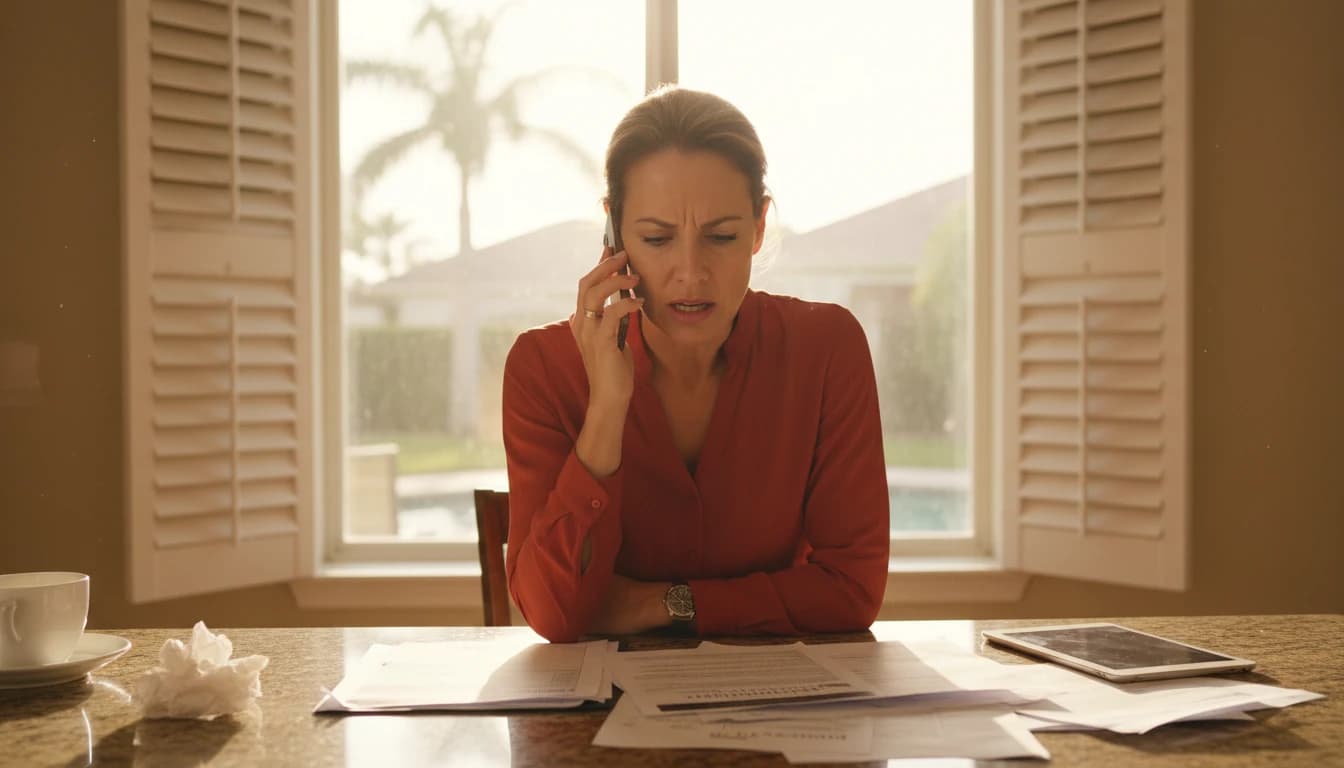
The statutory basis
Fla. Stat. 624.155 creates a cause of action when an insurer fails to settle or handle a claim in good faith. The statute requires:
- A Civil Remedy Notice (CRN) filed with DFS and served on the carrier
- A 60-day period for the carrier to cure the alleged violation
- If not cured, the policyholder may sue for bad-faith damages
What counts as bad faith
Fla. Stat. 626.9541 enumerates unfair claim-handling practices:
- Misrepresenting policy provisions
- Failing to promptly acknowledge claims (breach of 627.70131 deadlines)
- Failing to conduct reasonable investigation
- Denying without reasonable basis
- Offering substantially less than reasonable value
- Forcing litigation to resolve claims the carrier should pay
- Delaying payment without justification
Not every carrier misstep is bad faith. The standard is whether the conduct is unreasonable given the facts.
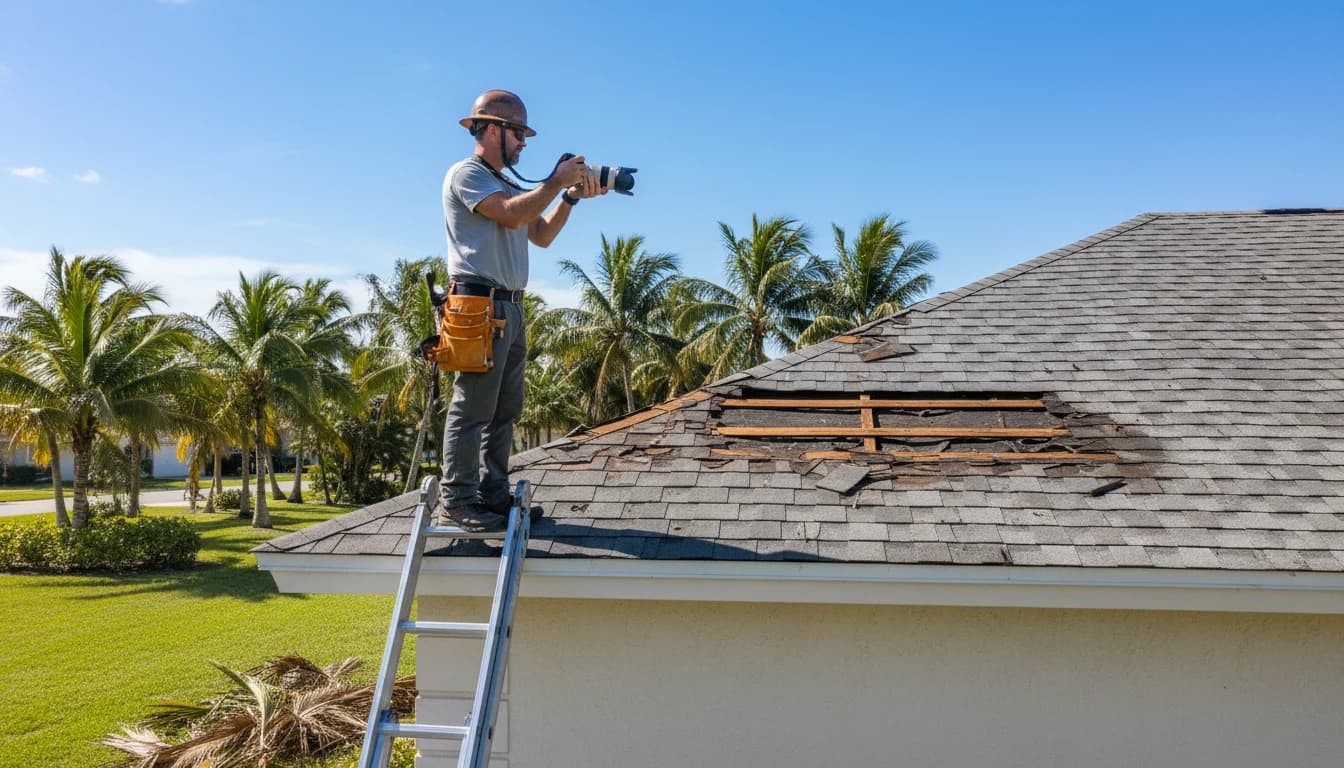
Damages available
If bad faith is proved:
- Contract damages (the amount wrongfully withheld)
- Consequential damages (additional losses caused by the delay)
- Interest
- Attorney fees (when statutorily available)
- Sometimes punitive damages for egregious conduct
On a $100K claim handled in bad faith, total recovery can exceed $300K when all bad-faith damages are awarded.
The CRN as pressure tool
The 60-day cure window is a real pressure point. Many carriers settle during the cure window, not because they admit bad faith, but because the exposure analysis tilts toward settling rather than risking litigation.
CRN filings require:
- Specific statutory violations cited
- Factual support for each violation
- Specific cure demanded
- Filed with Florida DFS

Common mistakes
- Filing CRN too early (before documenting carrier violations)
- Filing CRN without legitimate basis (weakens future credibility)
- Failing to preserve documentation supporting the CRN
- Settling with broad release that waives bad-faith claims
What doesn't constitute bad faith
- A carrier disagreeing with your scope
- A carrier's estimate being lower than yours
- A good-faith coverage dispute
- A genuine factual dispute over causation
- Delays caused by documentation requests
The standard is unreasonable conduct, not merely adversarial conduct.
When to involve counsel
Bad-faith litigation requires a Florida first-party insurance attorney. The CRN can be prepared by a public adjuster or attorney. If the CRN doesn't resolve the matter and litigation is warranted, attorney retention becomes necessary.