
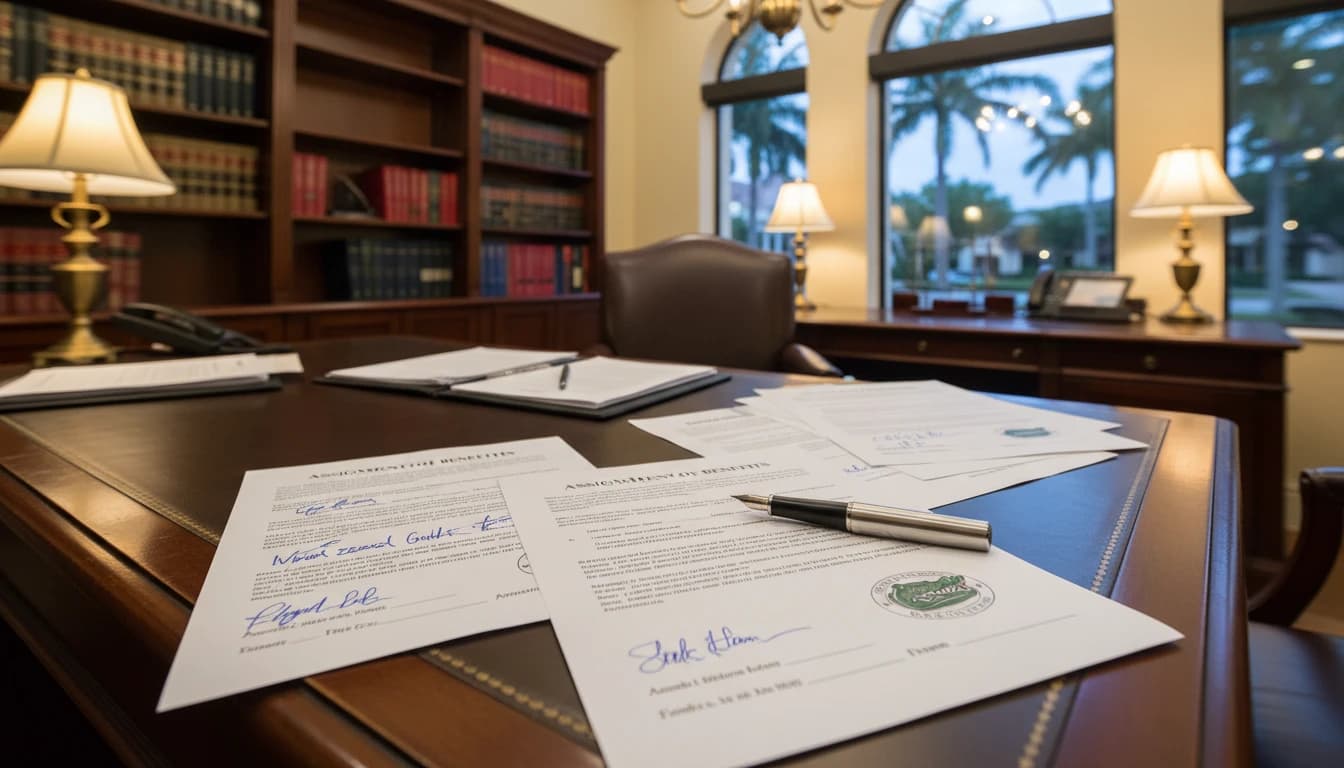
What AOB is
An Assignment of Benefits (AOB) is a legal document transferring your insurance claim rights to a third party: typically a contractor, restoration company, or attorney. Once signed, the third party can:
- Deal directly with the insurance company
- File the claim
- Sue for unpaid benefits
- Receive settlement directly
The policyholder gives up direct control of the claim.
Why AOB became a problem
Pre-reform, AOB was routinely used by:
- Restoration contractors signing up homeowners at the door post-storm
- Water-remediation companies inflating scope
- Litigation-focused firms filing lawsuits using AOB rights
- Bad-actor contractors collecting fees and delivering substandard work
Florida saw AOB-related litigation explode in the 2010s. Reform followed.

What 2022 reform changed
Fla. Stat. 627.7152 (as amended) now:
Requires specific disclosures
AOB documents must contain explicit notices about what rights are being transferred. Standardized language required.
14-day right of rescission
Policyholders can cancel an AOB within 14 days without penalty.
Prohibits blanket AOB in certain contexts
Some claim types cannot be assigned as easily as before.
Restricts attorney fee shifting
Prevailing-party attorney fees (previously one-way to policyholder side) were modified.
Prohibits certain contract terms
Including penalty clauses and certain pre-suit requirements.
What policyholders should do
Generally: don't sign AOB
Even post-reform, AOB transfers control of your claim. You can pay a contractor from your settlement without an AOB.
If pressured to sign
- Exercise the 14-day rescission
- Consult a public adjuster or attorney before signing
- Understand what specifically you're transferring
If you've already signed
- Evaluate rescission rights (14-day window)
- Consider whether contractor performance justifies continued arrangement
- Monitor claim handling carefully
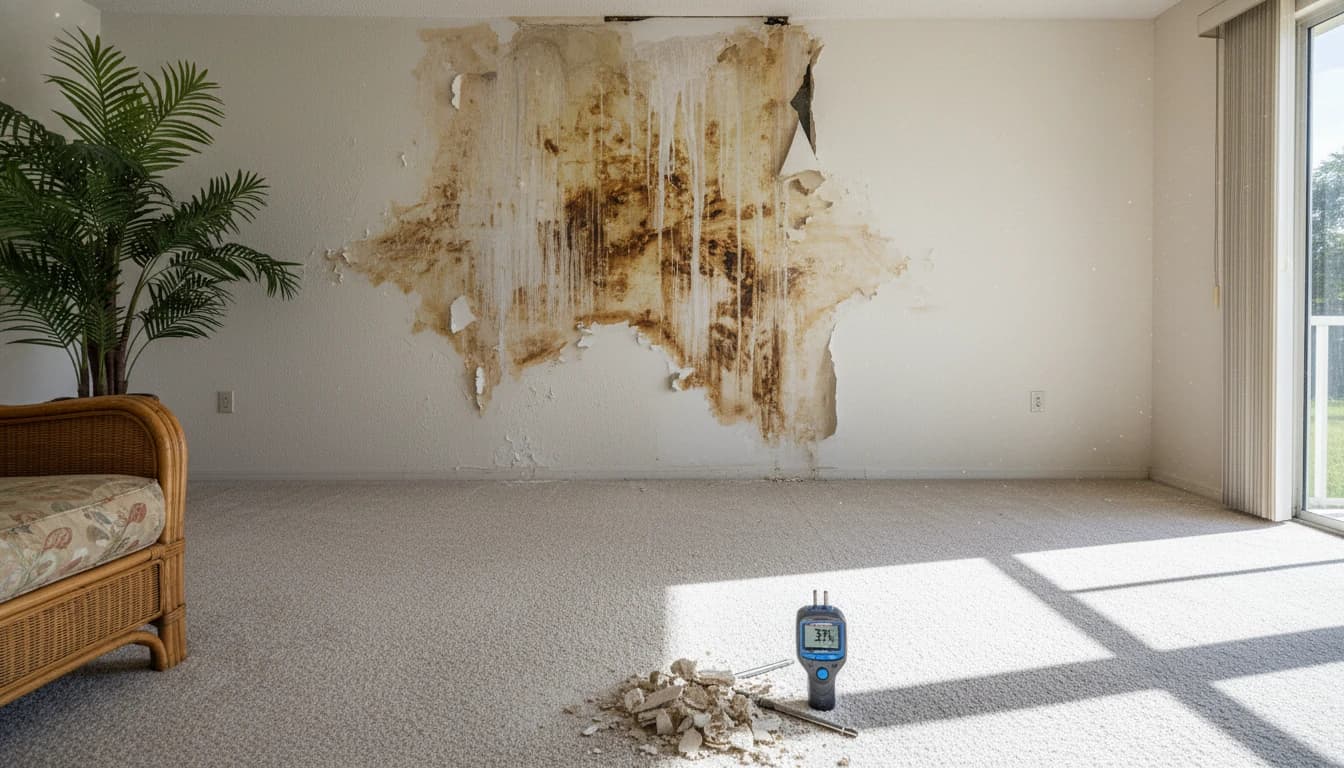
Red flags
- Storm-chaser contractors with no local Florida presence
- Door-to-door solicitation post-storm
- Pressure to sign "before the window closes"
- AOB bundled with inspection or estimate
- Contractor insisting AOB is the only way
When AOB might make sense
Rare, but:
- Specialized restoration work where contractor has unique expertise
- Long-term remediation requiring deep insurance-process expertise
- Situations where policyholder truly doesn't want claim responsibility
Even then, have counsel review the specific AOB before signing.
How Ocean Point represents clients who signed AOB
- Evaluate rescission rights
- Coordinate with contractor (if performance is acceptable)
- Step in as policyholder's representative for the non-assigned portions
- Support litigation if the AOB becomes contested