
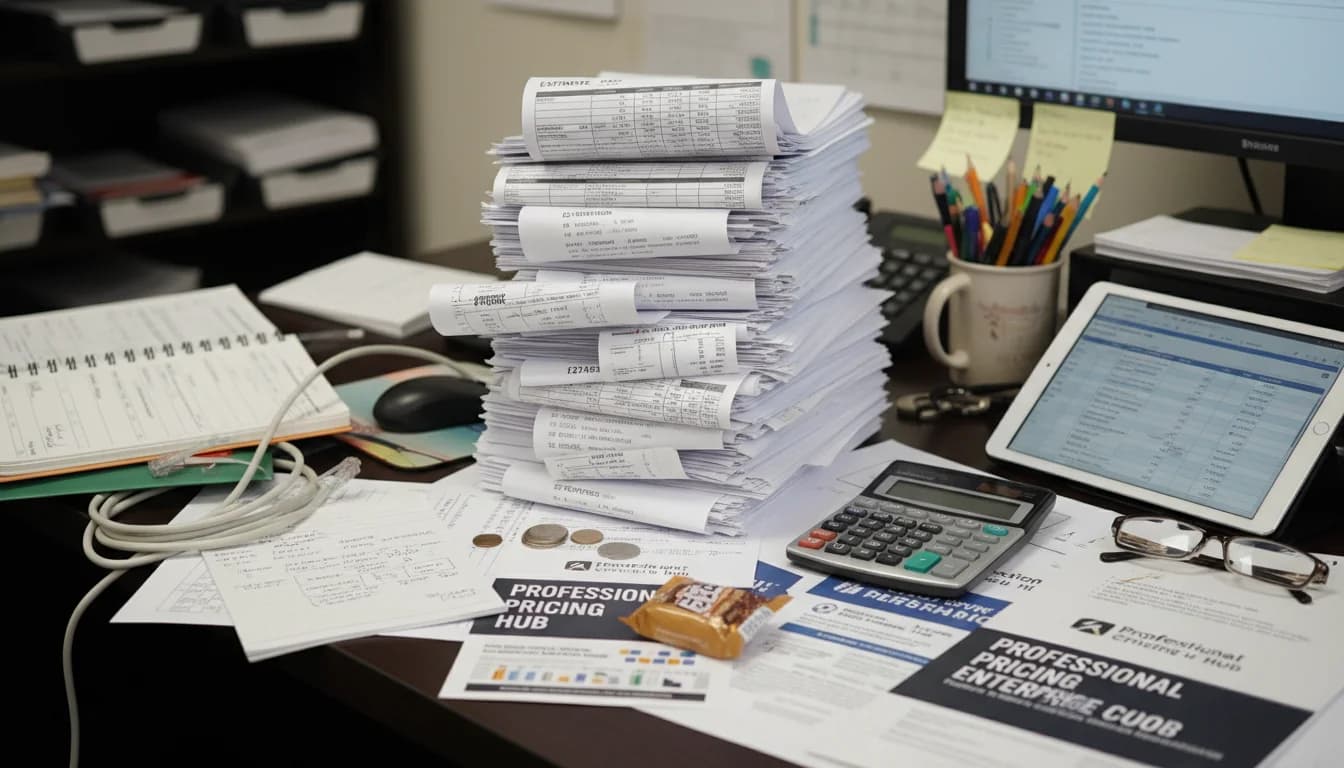
Florida claim pricing explained
Short answer: Florida insurance claim pricing is the dollar value built into your settlement from itemized repair costs: labor, materials, equipment, overhead and profit, and code-required upgrades, usually calculated in Xactimate. Carriers often apply heavy depreciation or omit line items, so the figure you receive can fall well below your true repair cost.
Every property insurance settlement in Florida starts as a line-by-line estimate, and the amount you are offered is only as accurate as the assumptions behind it. Understanding how that number is built is the difference between accepting a check and recognizing an underpayment.
How your claim dollar amount is built
Most Florida carriers and adjusters price repairs in Xactimate, the estimating platform used across the industry. Each repair task becomes a line item with a unit cost for labor, materials, and equipment, and those rates shift with local market conditions across South Florida, the Gulf Coast, and inland counties. A complete estimate also adds general contractor overhead and profit when the job is complex enough to need a coordinating contractor, plus any code-upgrade work your repairs trigger under ordinance or law coverage. The quantities, measurements, and scope of damage a carrier recognizes move the total just as much as the unit prices do.
Where the number gets smaller than it should
Underpayment rarely arrives as an outright denial. It hides in the math. Depreciation can be applied aggressively, holding back recoverable amounts and shrinking your initial actual cash value payment well below replacement cost. Line items get dropped, quantities get shorted, and overhead and profit get stripped out. Code-required upgrades are frequently ignored even when local building officials will not permit a like-for-like repair. These quiet omissions are exactly where a careful re-estimate finds money the first offer left behind.
Why this matters to your recovery
You cannot evaluate an offer you cannot read. The subtopics in this hub break down each pricing driver so you can measure your carrier's estimate against what the work actually costs in your market. If the gap looks large, an independent review is the logical next step. Ocean Point Claims works on a no recovery, no fee basis and represents Florida policyholders only, never insurers, so reviewing your estimate carries no upfront cost. Pull your insurer's estimate, compare it against the topics below, and request a free claim review if the numbers do not add up.
- PricingLabor Rate DiscrepanciesCarrier estimates often use labor rates below market. How to document real Florida labor costs and counter.Read more
- PricingPermit Cost Inclusion DisputesPermit fees on Florida post-loss rebuilds are legitimate, recoverable line items, but some carriers omit or under-allow them. What qualifies, how to document, and how to push back on omissions.Read more
Frequently asked questions
How does my insurance company decide how much my Florida claim is worth?
Why is my insurance payout lower than my contractor's repair estimate?
What is depreciation and how does it reduce my Florida claim?
Does my Florida claim estimate have to include code-upgrade costs?
Ready to talk to a licensed Florida public adjuster?
☎ (888) 824-1306Free claim review. No recovery, no fee. Answered 24/7.
Get a free claim review- License
- FL DFS #W829547
- Experience
- 21 years · 500+ mediations
- Rating
- 4.9★ (89 Google reviews)
- Fee
- No recovery, no fee