

When EUOs are legitimately investigative
- Large fire losses where arson is suspected
- Suspicious theft or vandalism claims
- Cause-of-loss disputes with significant coverage implications
- Complex commercial claims with multiple parties
When EUOs may be strategic
- Small residential claims with no unusual circumstances
- Claims the carrier could have resolved without EUO
- EUO requested after policyholder retained representation
- EUO used to lock in statements before full documentation is available
- EUO used as delay
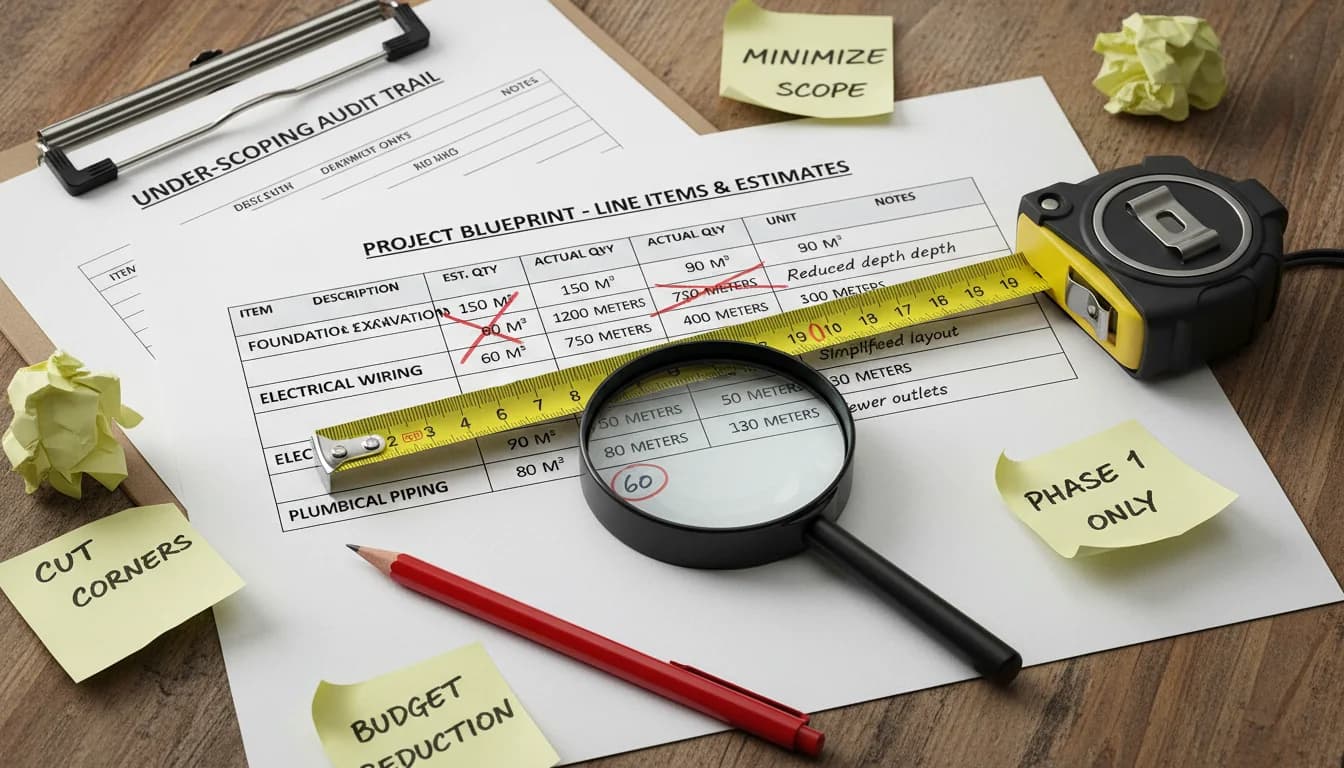
How to tell the difference
Ask:
- Is there an unusual fact pattern that warrants investigation?
- Has the carrier explained why EUO is necessary?
- Is the scope of the EUO proportional to the claim complexity?
If the answers suggest strategic use, address it in writing before attending: request the carrier's articulated reason, preserve all rights, and prepare accordingly.
How to prepare for any EUO
- Retain representation (public adjuster or attorney)
- Gather all documentation
- Build a detailed timeline of events
- Review all prior statements for consistency
- Anticipate likely questions
- Practice calm, factual, concise answers
Never attend without representation on a material claim
Under oath, every answer is evidence. Unprepared testimony can undermine an otherwise strong claim.