
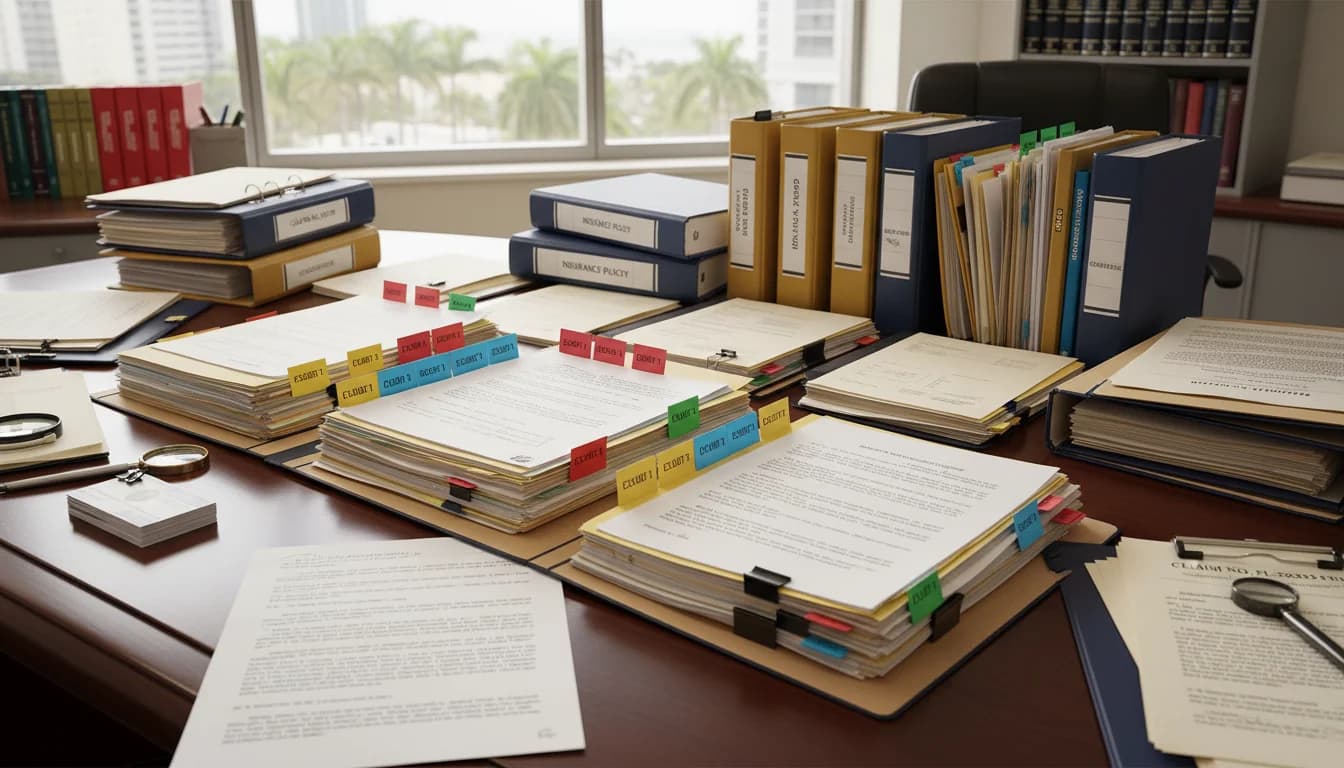
The principle
Your claim file becomes:
- The basis for carrier decisions
- The record in appraisal / mediation
- The discovery in litigation
- The narrative that determines recovery
Treating it as a legal case file from day one pays off at every stage.
Organization
Folder structure (physical or digital)
- Policy documents
- Loss notice and correspondence
- Photo and video evidence
- Scope and Xactimate estimates
- Expert reports
- Contents inventory
- Mitigation and repair records
- Financial records (commercial)
- Communications (dated chronologically)
- Exhibits (annotated evidence)
Naming conventions
- Dates in YYYY-MM-DD format for sorting
- Descriptive filenames
- Version tracking on estimates
- Source attribution on photos
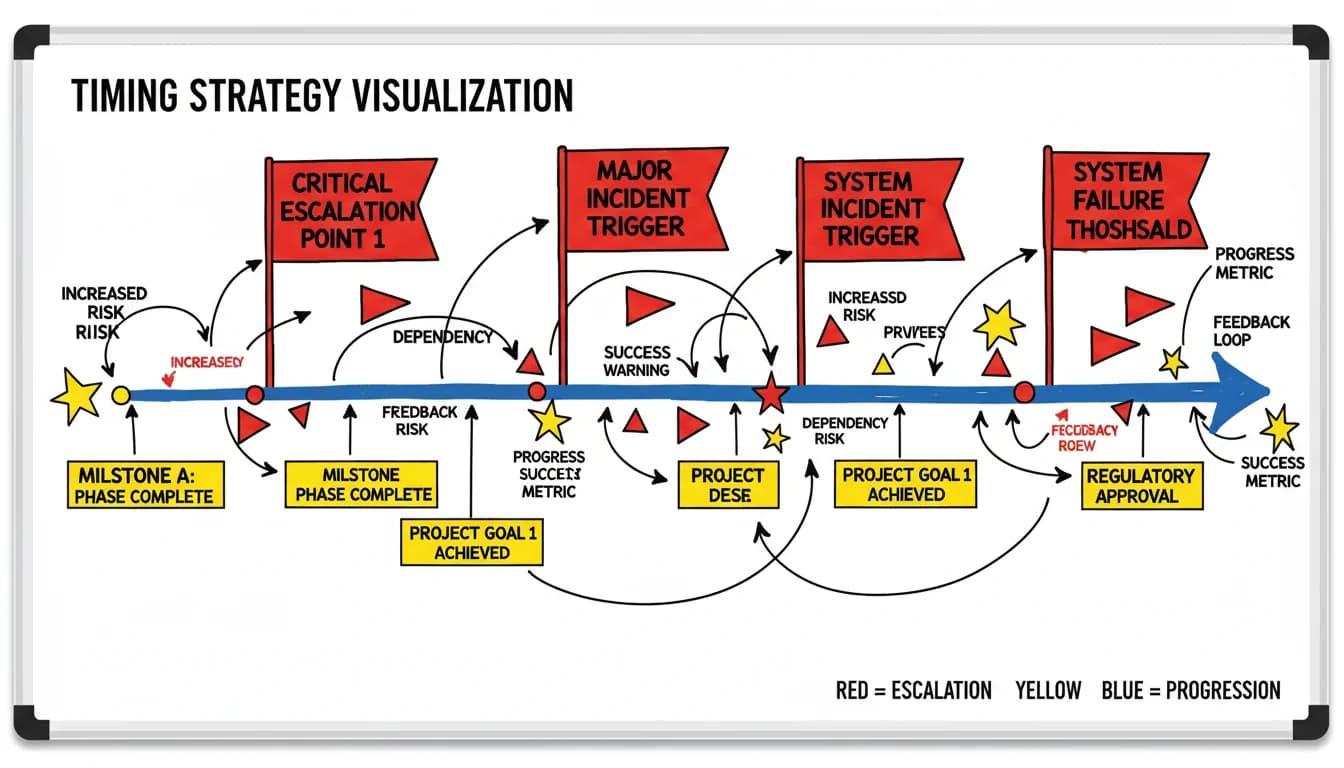
Chronology
A written timeline with:
- Every significant event
- Every communication (inbound and outbound)
- Every document produced
- Every inspection or expert engagement
Timelines become the spine of CRN filings, bad-faith complaints, and litigation chronologies.
Exhibits
Treat each piece of evidence as an exhibit:
- Unique identifier (Exhibit 1, 2, 3...)
- Description
- Date
- Source
- Referenced in narrative
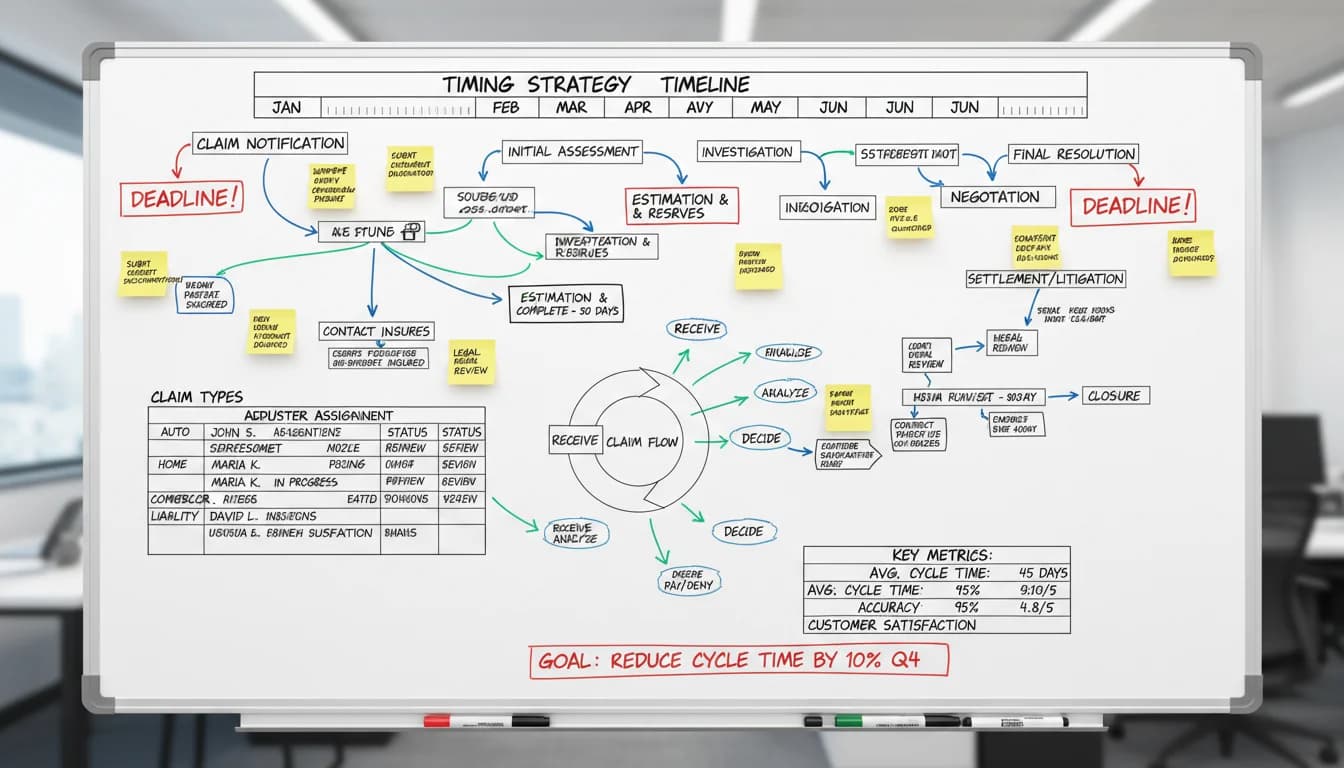
Narrative
Each claim deserves a written narrative:
- What happened (loss event)
- What was damaged
- What was done (mitigation, repair)
- What was submitted to carrier
- What the carrier's position is
- Your position with support
Update as the claim progresses.
Correspondence
Email and letter preferred over phone
- Creates paper trail
- Precise language
- Preserves dates
Follow phone calls with written recap
- "Per our conversation today..."
- Documents the phone discussion
- Carrier can correct or accept
Every substantive issue in writing
- Scope disputes
- Coverage positions
- Deadline notifications
- Supplemental filings
Discovery-readiness
If litigation ever happens, everything in your file will be produced. Build with that in mind:
- Don't write what you wouldn't want read aloud in court
- Keep privileged communications separate (attorney-client)
- Preserve original photos with EXIF data
- Keep metadata on documents