Skip to content
Ocean Point Claims Company
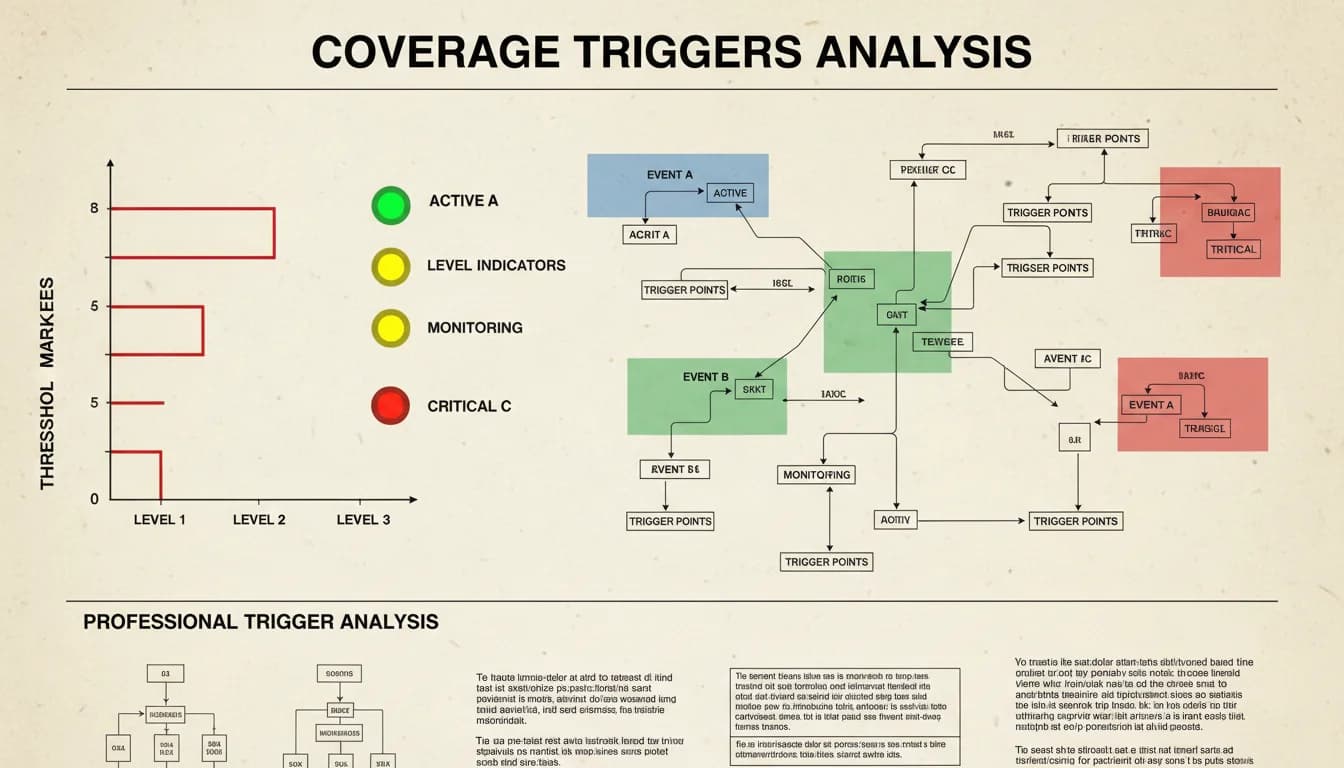
Ocean Point Claims:coverage triggers and thresholds

Coverage Triggers and Thresholds

Coverage doesn't activate automatically. Specific triggers, policy language, factual conditions, statutory deadlines, control when your claim becomes actionable.
Reviewed by Eli Goins, FL DFS License #P159790 · Last updated
By Eli Goins · FL DFS #P159790 · Reviewed: · 1 min read

Short answer: Florida coverage does not activate automatically. Three trigger types must line up: policy-language triggers like an occurrence, direct physical loss, and a covered peril; factual triggers tied to the cause of loss and any damage threshold; and statutory triggers, meaning notice and response deadlines. Document the event, notify promptly, and comply with policy conditions.

Policy-language triggers

Occurrence

  • Sudden, unexpected event
  • Definitional language varies
  • Time period defined

Direct physical loss

  • Structural impact required
  • Not just economic loss
  • Florida interpretation

Covered peril

  • Named or all-risk
  • Specific peril must apply

Factual triggers

Cause of loss

  • Specific event identified
  • Event must be covered peril
  • Policy terms tested against facts

Damage threshold

  • Sometimes deductible-based
  • Sometimes sublimit-triggered
  • Sometimes excluded below threshold

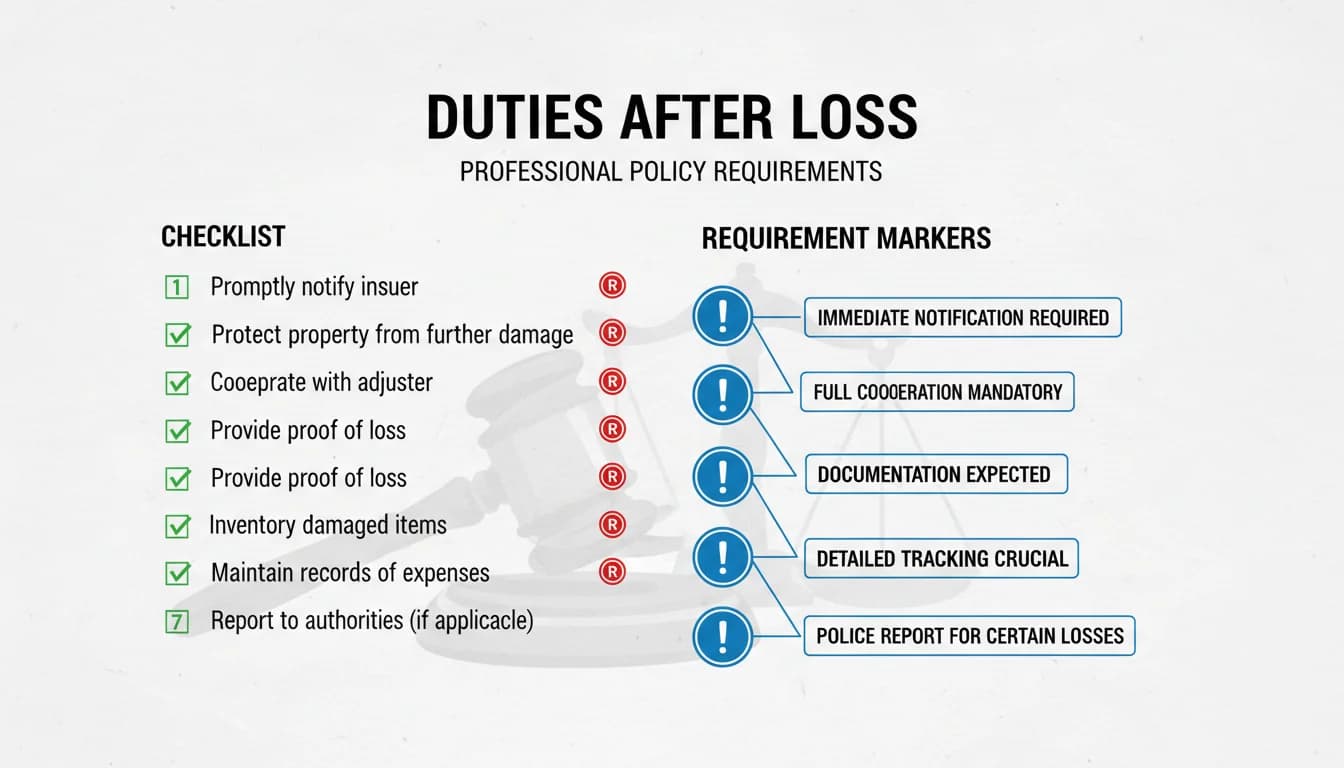
Ocean Point Claims:duties after loss

Statutory triggers

Notice deadlines (627.70132)

  • 1 year from loss (new claim)
  • 18 months (supplemental)
  • Reopening within 1 year

Response deadlines (627.70131)

7
day acknowledgment
30
day inspection
60
day pay/deny

How triggers interact

  • Policy trigger + factual satisfaction = coverage activation
  • Statutory timing + policy compliance = ongoing coverage
  • Missed statutory timing + weak compliance = coverage risk
Ocean Point Claims:anti concurrent causation clauses

Practical implications

  • Document the trigger event precisely
  • Notify promptly (statutory windows)
  • Comply with policy conditions
  • Preserve rights at each stage

Frequently asked questions

What actually makes coverage activate on my Florida claim?
Coverage does not turn on by itself. A policy-language trigger has to be met, such as an occurrence, direct physical loss, or a covered peril, and the facts of your loss have to satisfy that trigger. Statutory timing also matters, so policy compliance and deadlines work together to keep coverage active. A policy trigger plus factual satisfaction is what activates coverage.
What counts as direct physical loss in Florida?
It generally requires actual structural impact to the property, not just an economic loss. Florida applies its own interpretation of this language. If your damage is purely financial without physical impact, it may not meet the trigger.
Are there deadlines that can affect whether my claim is covered?
Yes. Florida sets notice deadlines, including one year from the loss for a new claim, 18 months for a supplemental claim, and reopening within one year. There are also insurer response deadlines: a 7-day acknowledgment, a 30-day inspection, and a 60-day pay or deny. Missed statutory timing combined with weak compliance creates coverage risk.
What is a damage threshold and how does it affect my claim?
A threshold is a damage level that can change how coverage applies. Sometimes it is deductible-based, sometimes it triggers a sublimit, and sometimes damage below the threshold is excluded. Identifying the specific cause of loss and confirming it is a covered peril helps show the threshold is satisfied.

Related

Reviewed by Eli Goins, FL DFS License #P159790 · Last updated

Ready to talk to a licensed Florida public adjuster?

(888) 824-1306

Free claim review. No recovery, no fee. Answered 24/7.

Get a free claim review
License
FL DFS #W829547
Experience
21 years · 500+ mediations
Rating
4.9★ (86 Google reviews)
Fee
No recovery, no fee
📞 (888) 824-1306Free Claim Review