
By Anthony Barber · FL DFS #W101847 · Reviewed: · 1 min read
Short answer: Under a replacement cost value (RCV) policy, the carrier typically pays the actual cash value (ACV) first and holds back the depreciation until repairs are completed and invoiced. Submitting completed-repair documentation releases the holdback, but many homeowners don't realize it exists and leave money on the table.
How the holdback works
- ACV policy: pays depreciated value, no holdback
- RCV policy: pays ACV initially, holds back depreciation until repairs completed
Example
Your roof has an RCV policy:
- Full replacement cost: $15,000
- ACV (depreciated): $8,000
- Depreciation held back: $7,000
- Your deductible: $2,500
Initial check: $8,000 - $2,500 = $5,500
After you spend $15,000 on repairs and submit invoices:
- Carrier releases: $7,000 (the depreciation holdback)
- Total recovery: $12,500 (net of deductible) against $15,000 repair

How to release the holdback
- Complete the repairs
- Obtain invoices and paid receipts from the contractor(s)
- Obtain any permits and inspection reports
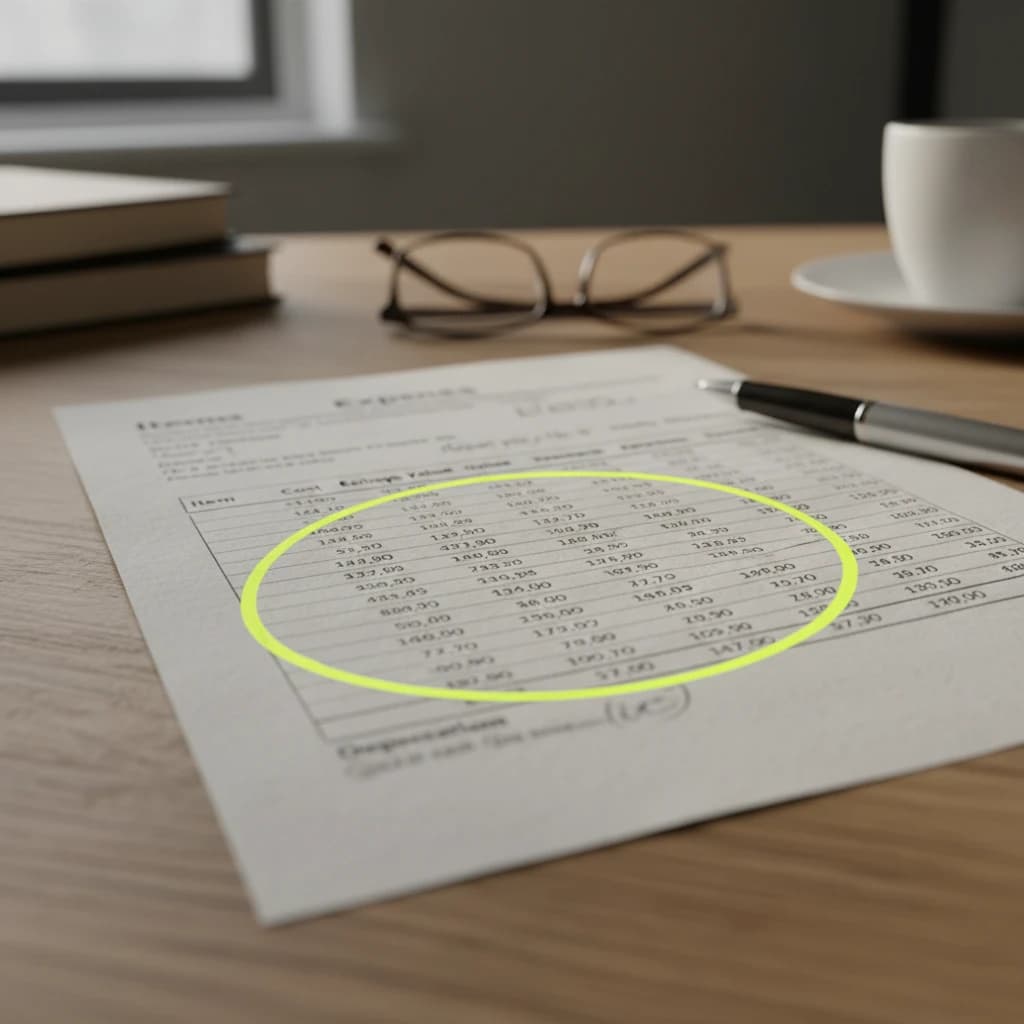
- Submit to the carrier with a cover letter citing the RCV provision in your policy
- Follow up in writing if no response within 30 days
Common carrier pushback
- "Your invoices show lower cost than our RCV": you recover the lower of invoices or RCV; at minimum, the difference should be released
- "Time limit to complete repairs has passed": check your policy; many policies give 2 years or longer
- "Missing documentation": provide whatever is requested; don't let them stall
If you didn't know about the holdback
If the claim "settled" but you never received the depreciation, and you completed the repairs: you may be able to recover the holdback even if time has passed, depending on policy language and whether a release was signed. Ocean Point reviews these scenarios for free.