
By Eli Goins · FL DFS #P159790 · Reviewed: · 1 min read
When carriers argue partial
- Damage is localized to one slope or one section
- Remaining product appears available
- Age of roof supports preserving undamaged areas
- Cost differential is significant ($15K patch vs. $40K replacement)
When full replacement is warranted
Matching failure
- Discontinued product = entire roof replacement per 626.9744
- Reasonable matching impossible = continuous-area replacement
Structural integrity
- Decking damage extends beyond the visible scope
- Fastener system affected throughout
- Underlayment compromised across larger area
Roofing system integrity
- Shingle roofs are designed as a system; partial replacement can void manufacturer warranty
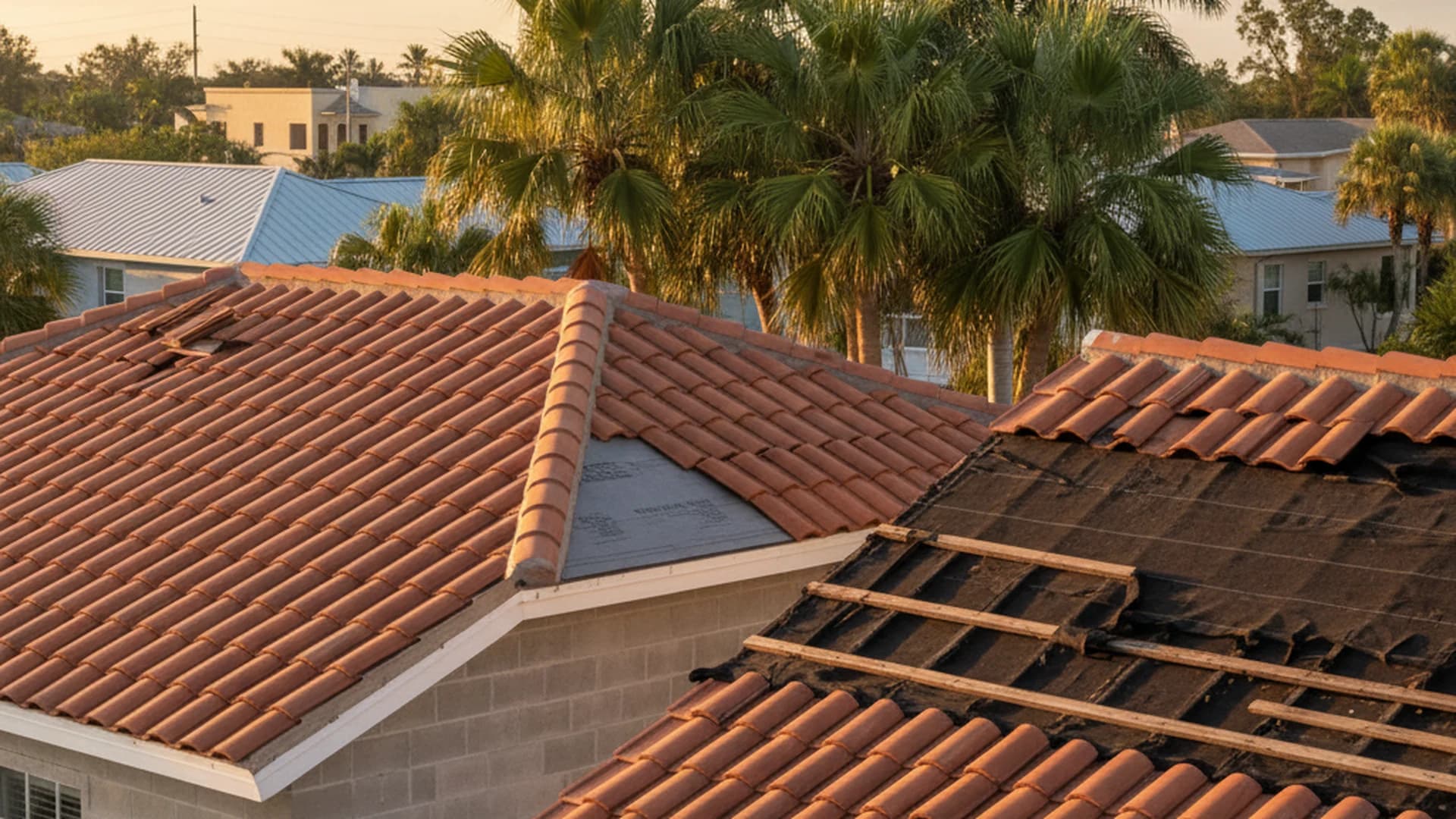
- Tile roofs share mortar beds and ridge structures; partial removal affects adjacent areas
- Metal panels are engineered as a unit
Code triggers
- Florida Building Code requires decking upgrades when a certain percentage of the roof is replaced (often 25%)
- Triggering decking upgrade can tip toward full replacement economically
Secondary damage
- Water intrusion affected attic, insulation, or interior below
- Repair scope reaches beyond the visible damage
- Cost to repair approaches cost to replace
The economics argument
When partial replacement costs approach full replacement:
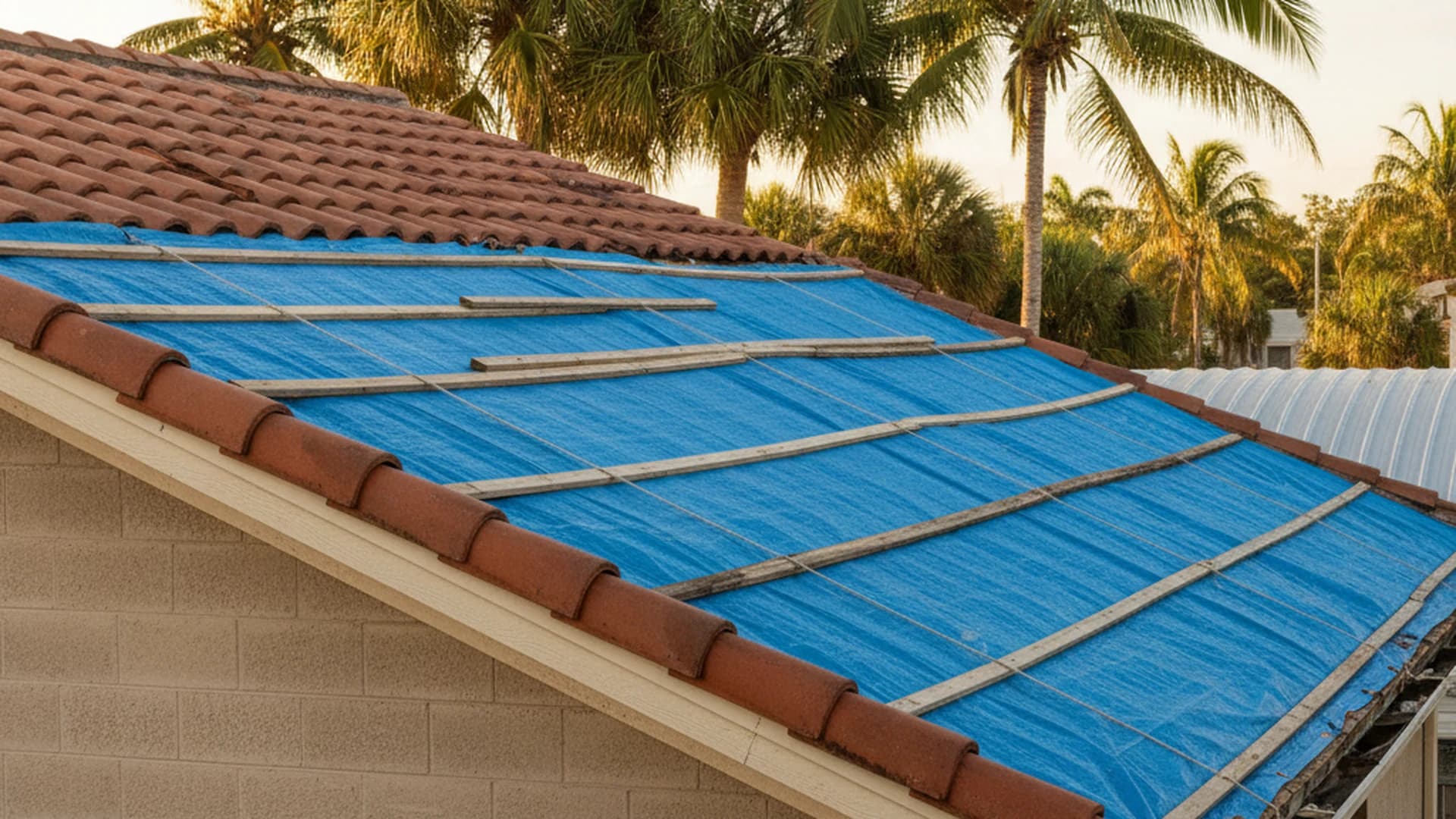
- Time and labor of partial work + transition flashing
- Risk of future leaks at transition
- Warranty implications
- Property value impact of visible patching
Often the carrier's own economics support full replacement once fully calculated.
Documenting for full replacement
- Matching statute analysis
- Decking assessment post-tear-off
- Full-roof inspection report
- Code-trigger documentation (percentage replaced)
- Cost comparison (partial vs. full)