
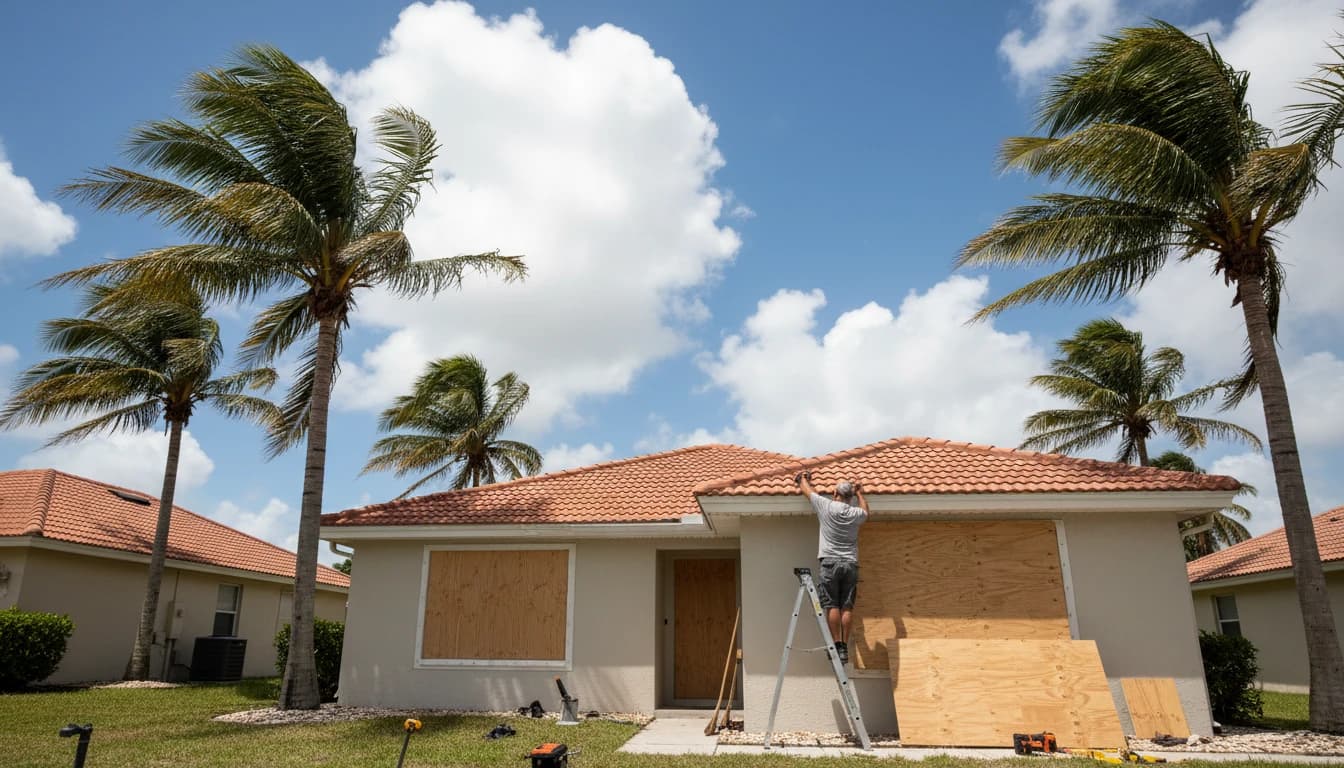
Why pre-season insurance prep matters
Physical prep (tarps, shutters, supplies) gets the attention. The insurance-side prep that makes or breaks post-storm claims rarely does. Yet the difference between a smooth claim and a stalled one often traces to decisions made in April.
1. Pull your policy in April
- Coverage A (dwelling) limit: does it match current Florida rebuild cost?
- Hurricane deductible: typically 2-5% of Coverage A; verify the exact percentage
- Law and ordinance: 10%, 25%, or 50% of Coverage A (code-upgrade costs)
- Limited water endorsement: caps water at $10,000 regardless of cause; remove if possible
- Flood coverage: separate NFIP or private flood policy required; without it, storm surge is excluded

2. Document your property pre-season
Photograph every room, every elevation, every exterior structure. Include attic, crawlspace, garage. Get serial numbers on appliances and electronics. Cloud-backup everything with timestamps. These are the proof of pre-storm condition for any future claim dispute.
3. Get a roof inspection
A current roof certificate establishes pre-loss condition. Post-storm, carriers often argue wear-and-tear: a recent roof inspection makes that argument much harder to sustain.
4. Organize maintenance records
File receipts for roof repairs, plumbing, HVAC, electrical, and any prior claims. These are the counter-evidence to "you didn't maintain the property" denials.
5. Prepare a contents inventory
Room-by-room list with description, age, replacement-cost estimate, photo, and receipt if available. Use a spreadsheet or an app like Encircle. Update annually.
6. Know your statutory deadlines
- Fla. Stat. 627.70132: 1 year to file a new claim; 18 months for supplemental
- Fla. Stat. 627.70131: carrier must acknowledge within 7 days, inspect within 30, pay/deny within 60
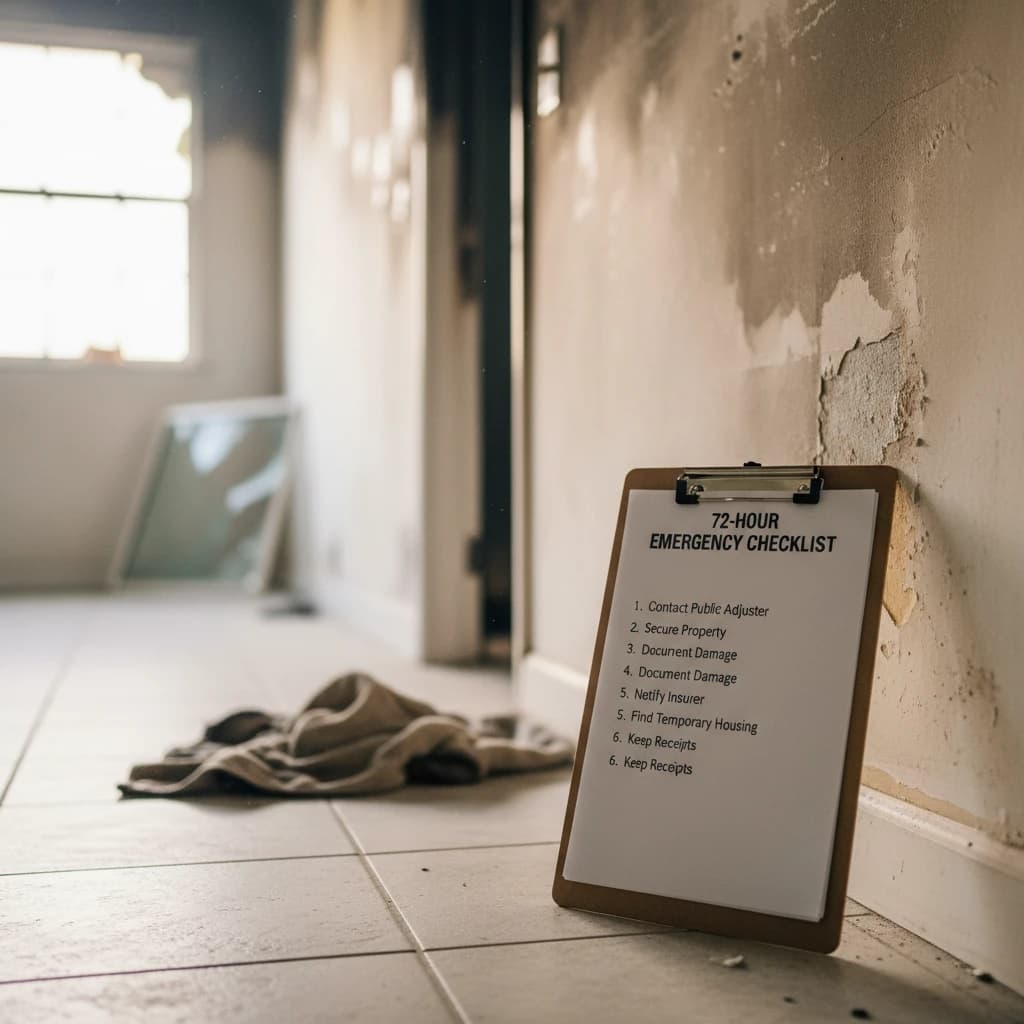
7. Pick a public adjuster before the storm
Post-landfall, PAs and restoration contractors are booked solid. A 30-minute call in May establishes the relationship so if you need representation in September, you have someone to call immediately.
8. Set up a claims folder
Policy copy, inventory, maintenance records, photo/video documentation, emergency contacts (insurance, PA, attorney, contractor). When a storm hits, you don't want to be hunting for your policy while the water's rising.